Composite cable trough specified across Polish rail upgrades
How PROtrough is becoming the modern alternative to concrete trough on Polish rail projects


Concrete trough has been the default lineside cable route for decades. Across Poland's rail upgrade programme, that default is now being questioned.
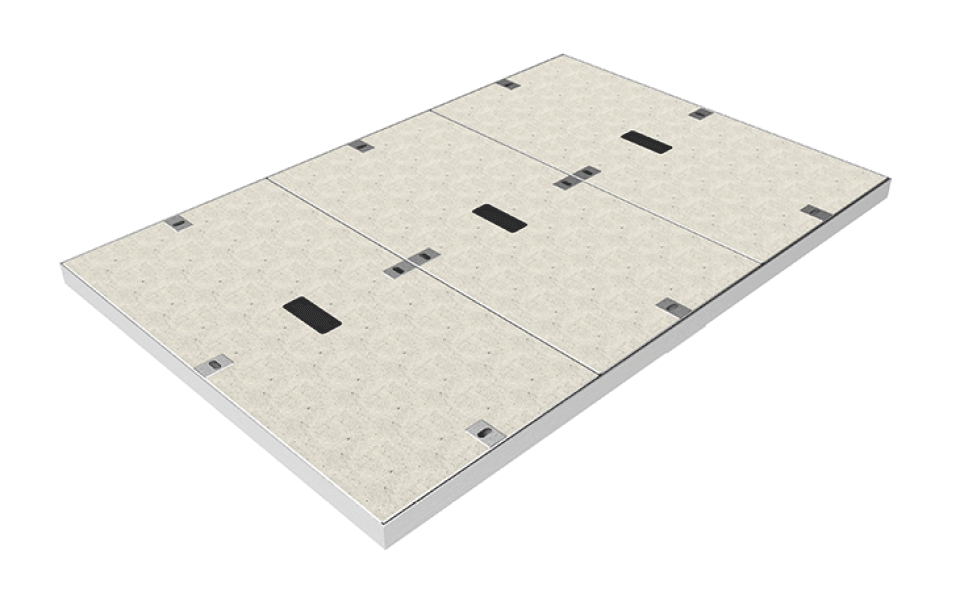
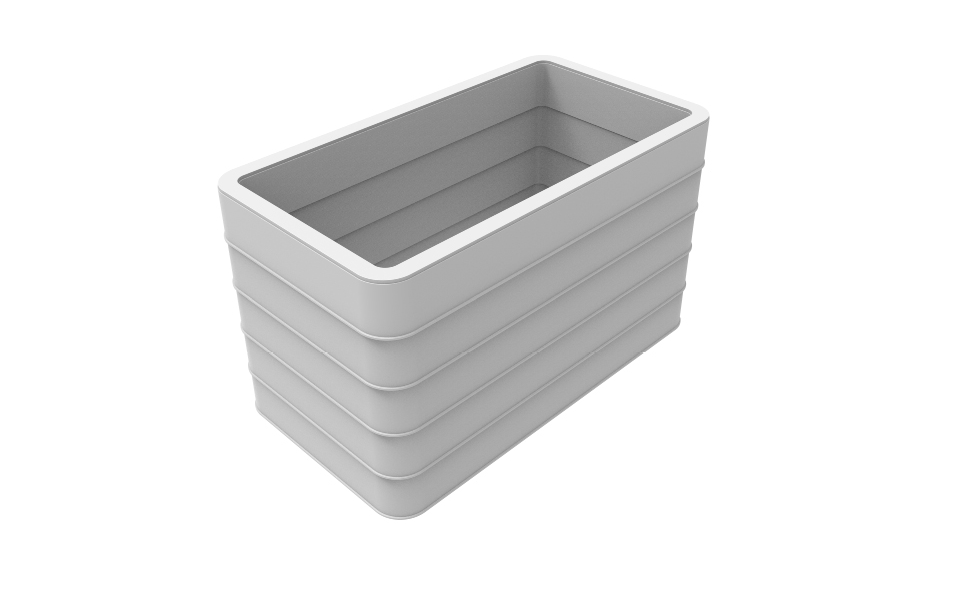
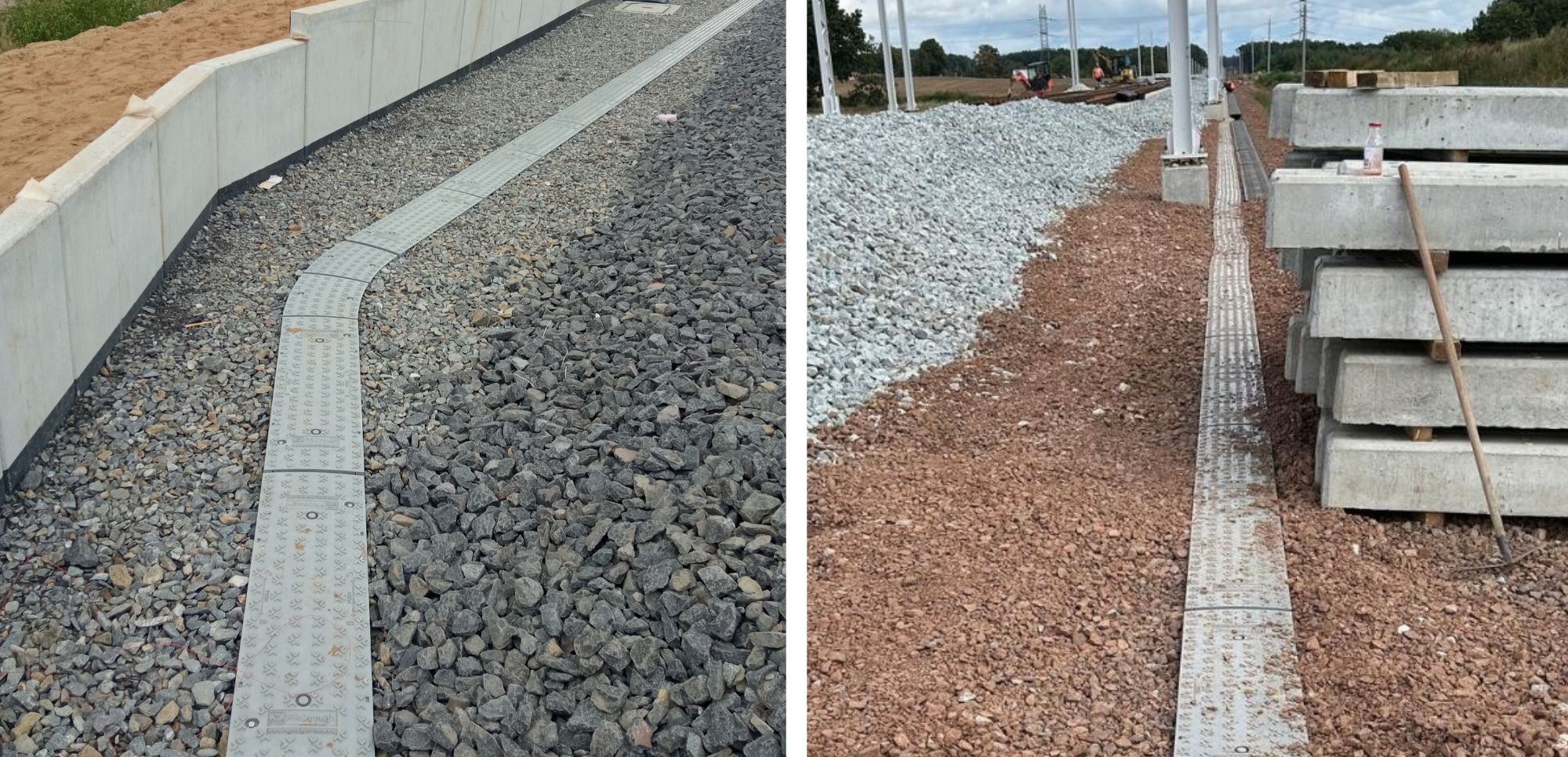
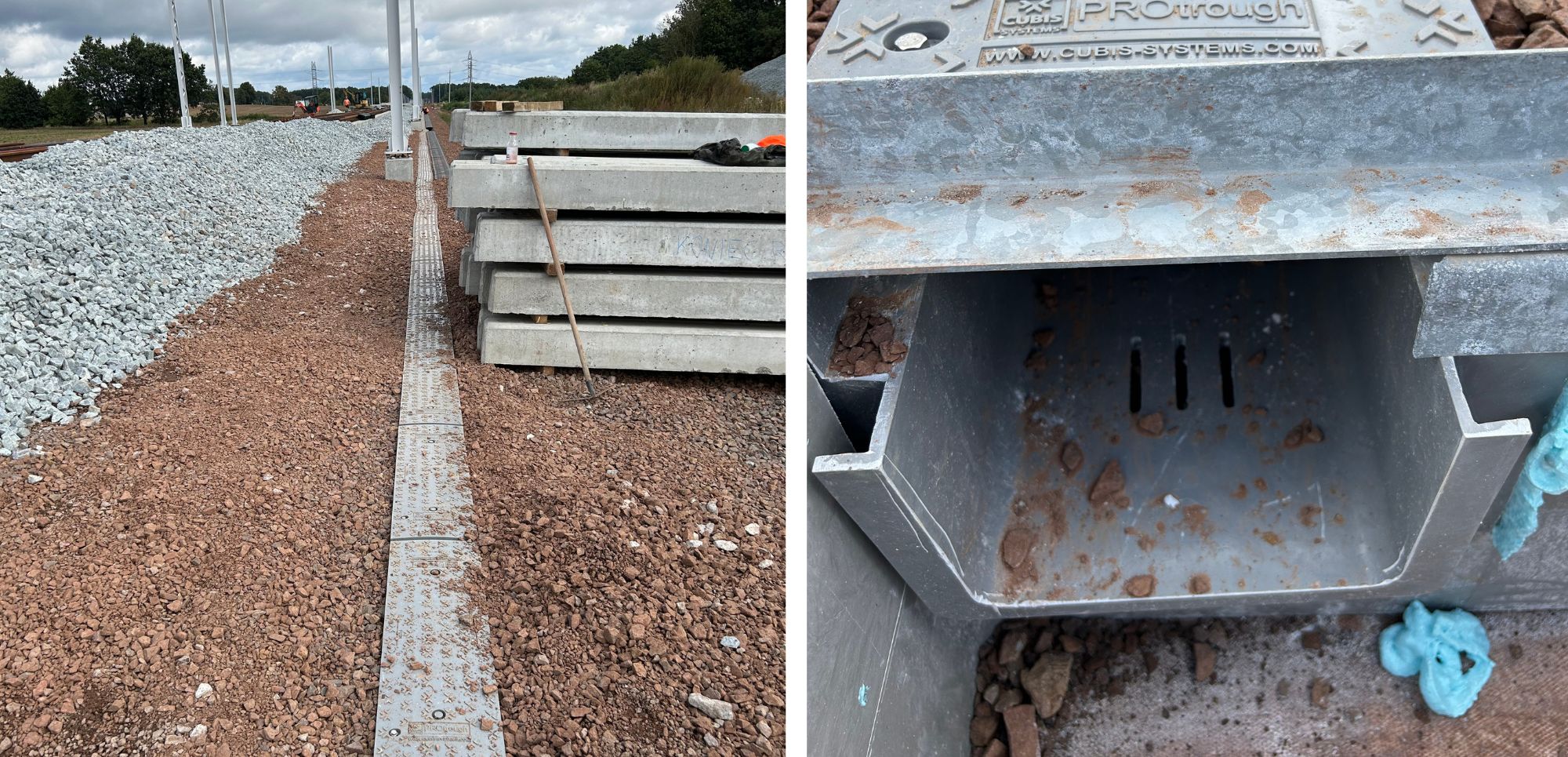
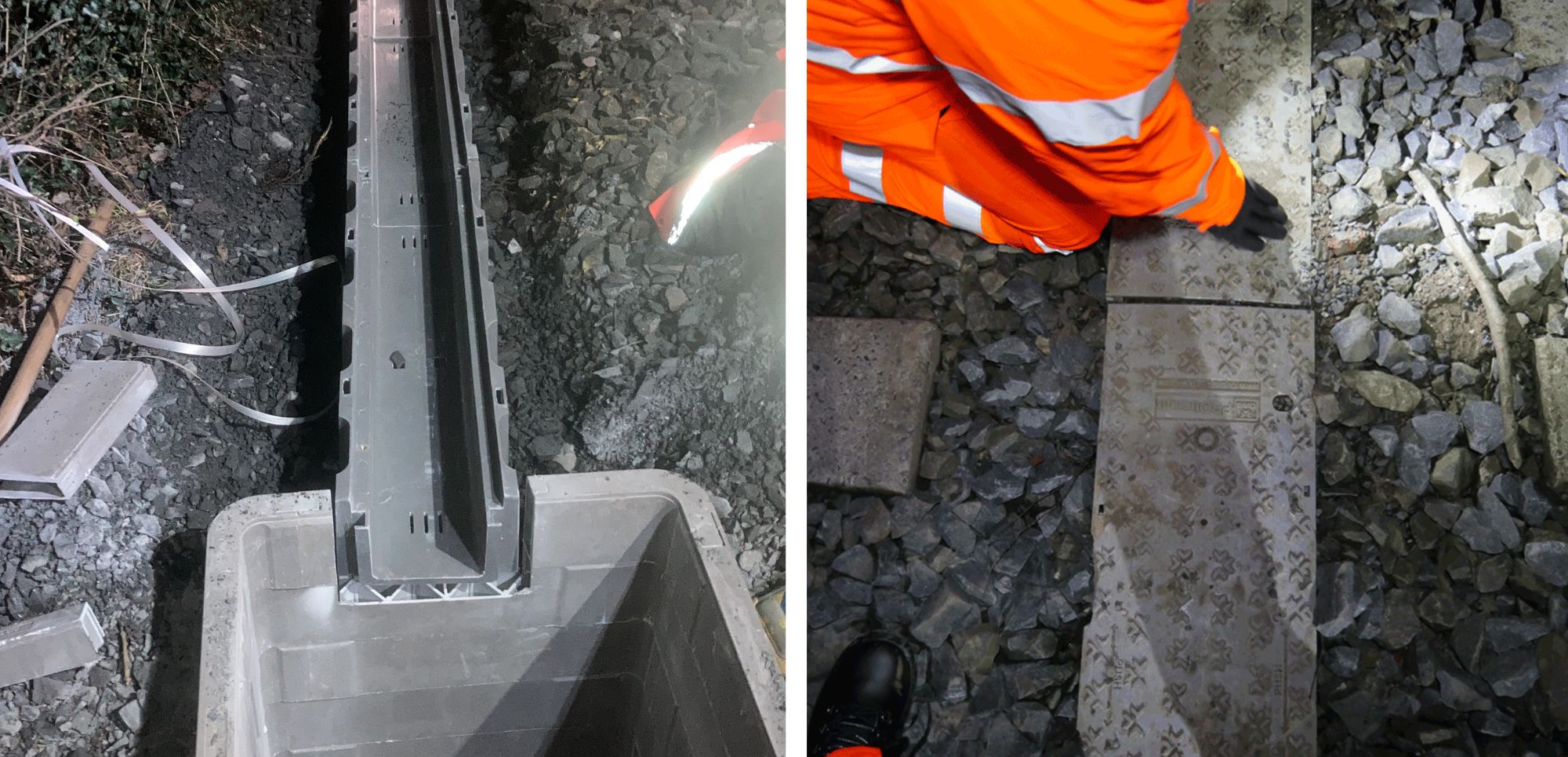
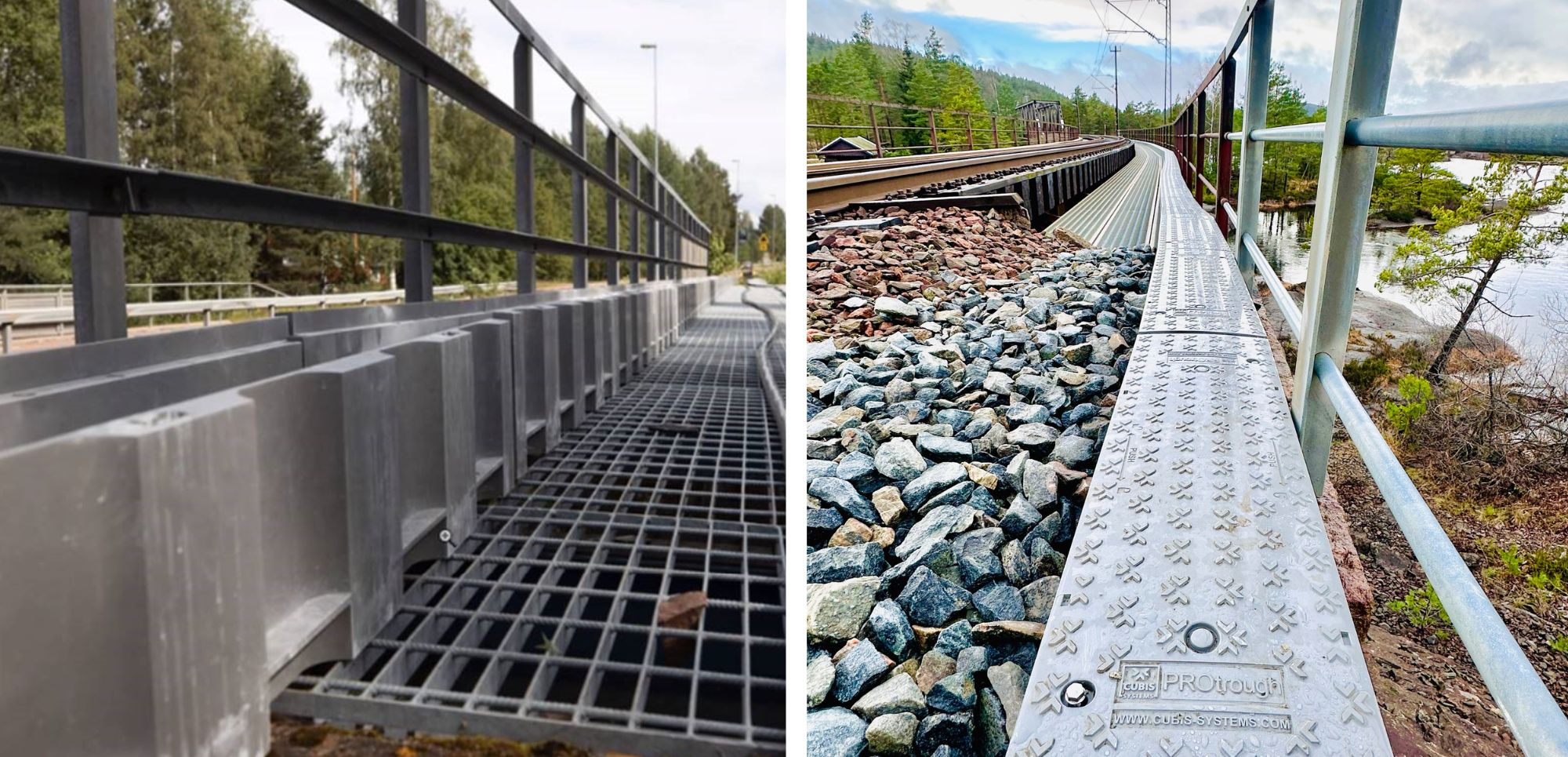
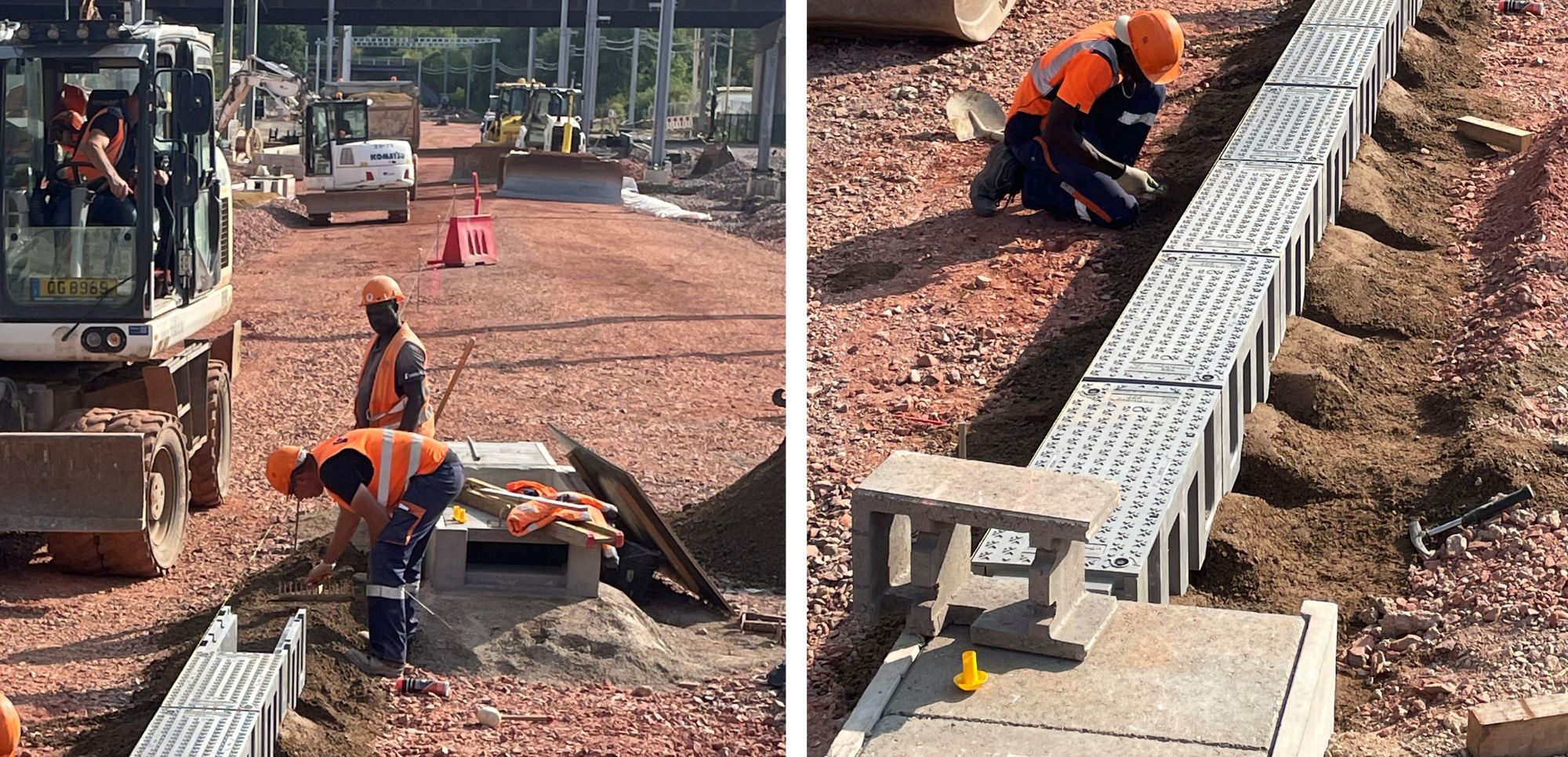
In recent Pomeranian rail upgrades, PROtrough from Cubis Systems is being specified as a lighter, more adaptable composite cable trough. Two recent sites show why:
- Glincz – Kartuzy, Railway Line No. 229 (pictured L)
- Somonino - Railway Line 214 (pictured R)
This case study looks at what these projects asked of a cable trough, and how our lightweight, modular, flame-retardant GRP system answered it.
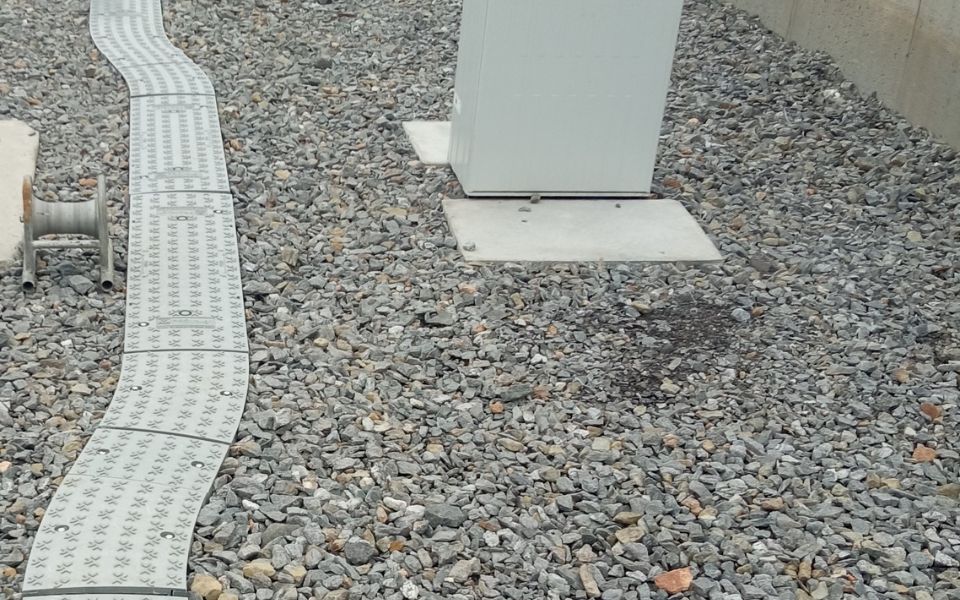
The challenge:
Line upgrades in open country put several demands on a cable route at once:
- Be delivered to remote, often hard-to-reach working areas without a heavy haulage and plant burden
- Follow the curves of the track and the foot of new structures such as retaining walls
- Meet rail fire safety expectations for cable management
- Stand up to the lineside environment, including temperature swings, weather, and passing trains
- Connect into access chambers and other cable infrastructure
So, this means that key project requirements include:
-
Practical logistics
I.e., material that is easy to transport, unload and place on a line being built out in open country
-
Curve-following routes
I.e., trough that follows the natural curvature of the track and the structures beside it, without extra pieces or cutting
-
Fire performance
I.e., a flame-retardant, non-cementitious product
-
Durability
I.e., stability in changing temperatures, plus resistance to chemicals and weather over a long installed life
-
Security and stability
I.e., secured lids, and units that stay in place when trains pass
-
A complete system
I.e., access chambers and cable protection from one supplier, designed to work together
The opportunity:
While concrete trough does the job, it also brings real costs and installation complexities on large-scale projects like these. For example:
- Weight: Concrete trough is heavy to haul and handle at every stage. A concrete trough and cover together weigh around 88kg, against about 18kg for PROtrough.
- Rigid lengths: Following a bend usually means extra pieces or cutting.
- Transport volume: More weight means more lorries, and more movements to remote sections of line.
- Cement-based material: Concrete is cementitious and carbon-heavy, which matters as rail clients work to decarbonise.
Composite cable trough offers a different approach. As rail teams look to lower programme risk and whole-life cost, PROtrough is increasingly making headway as the modern GRP alternative.

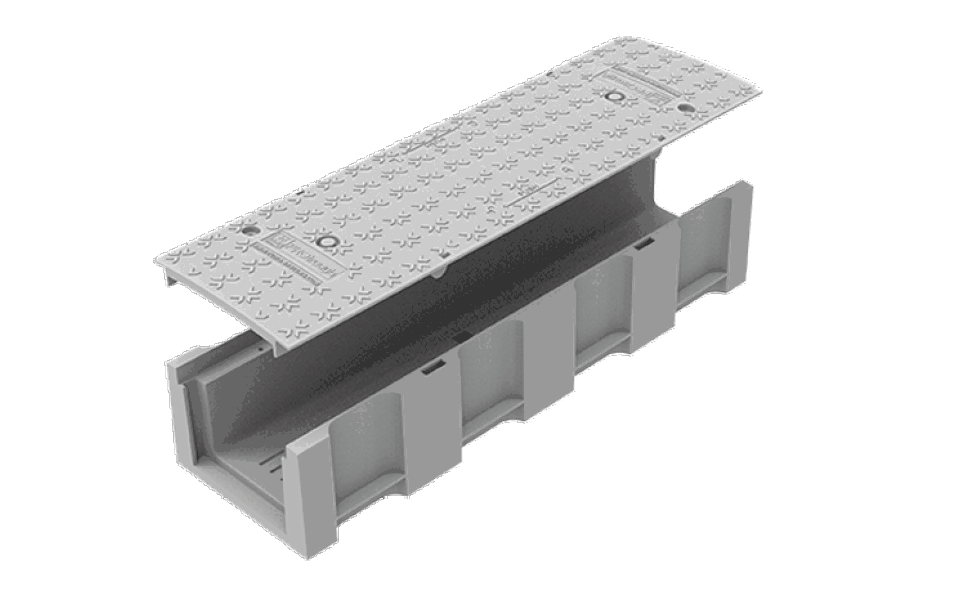
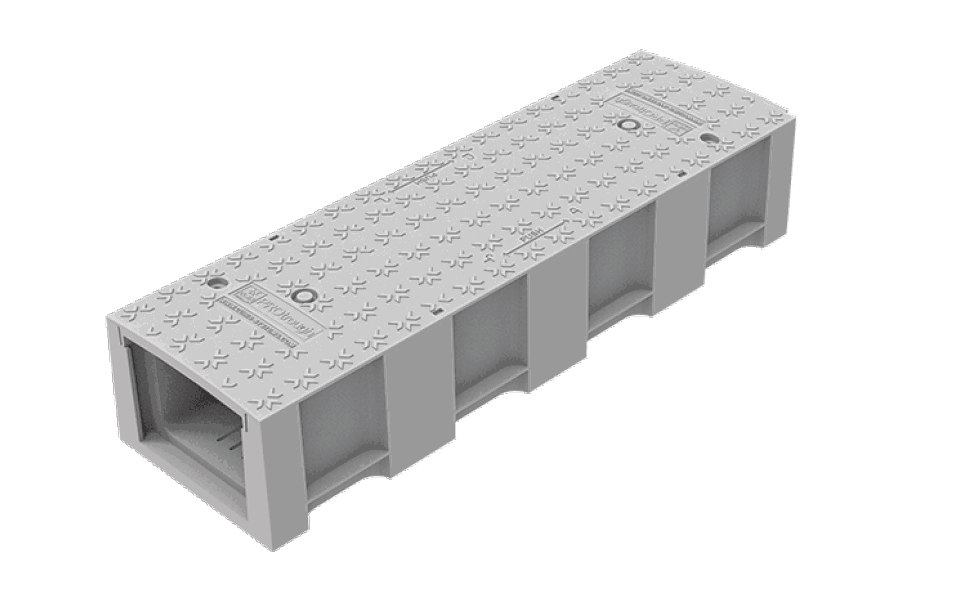
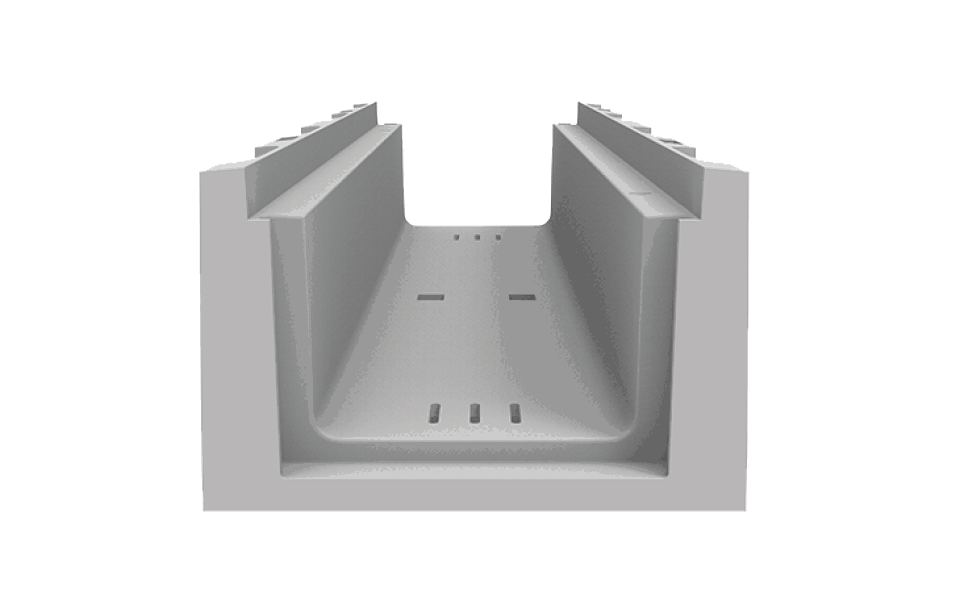
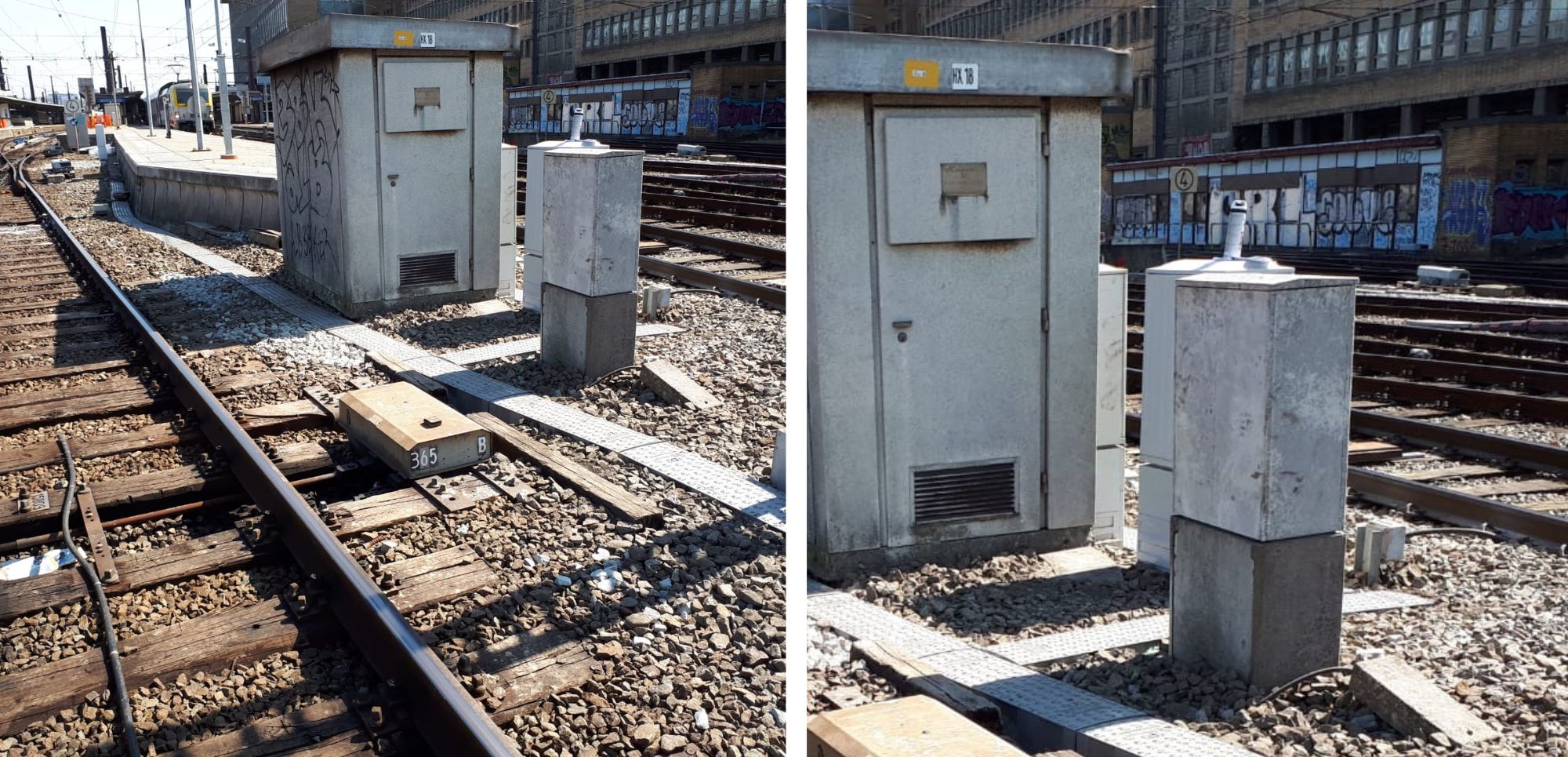
Enter Cubis Systems. In response to these requirements, we supplied PROtrough along with compatible access chambers and covers. So, trackside teams could build a complete lineside cable route from one modular system.
The solution(s) deployed on-site:
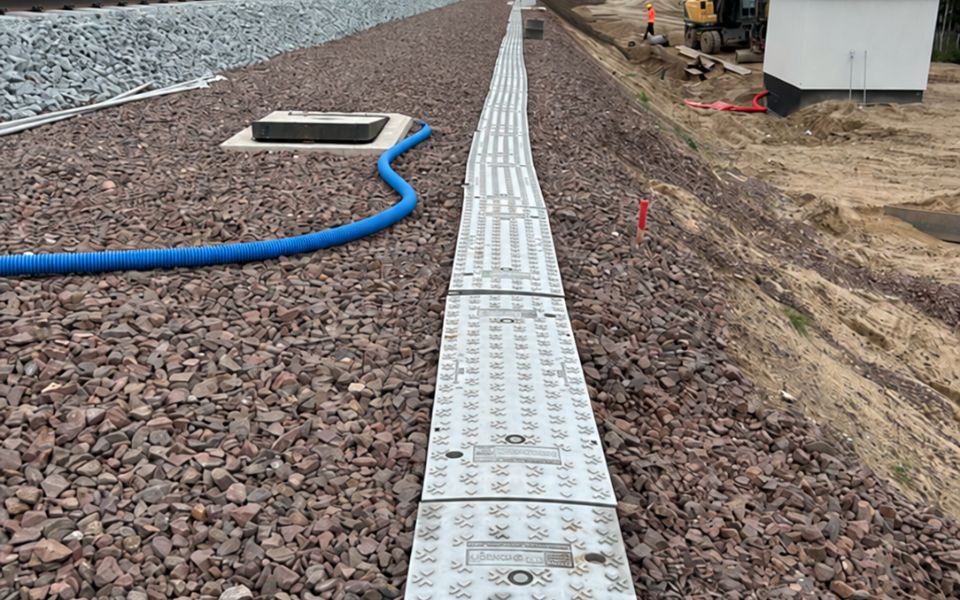
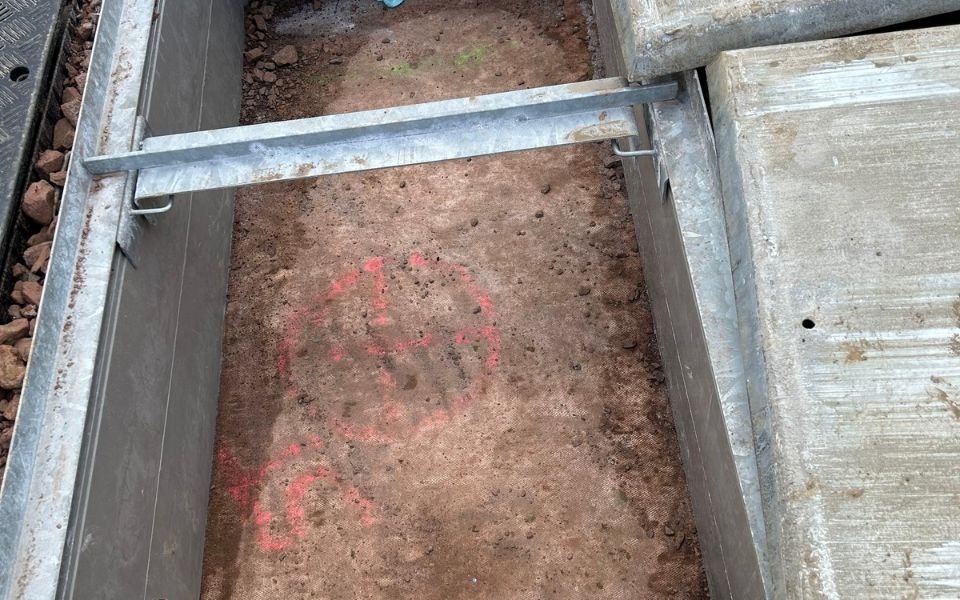
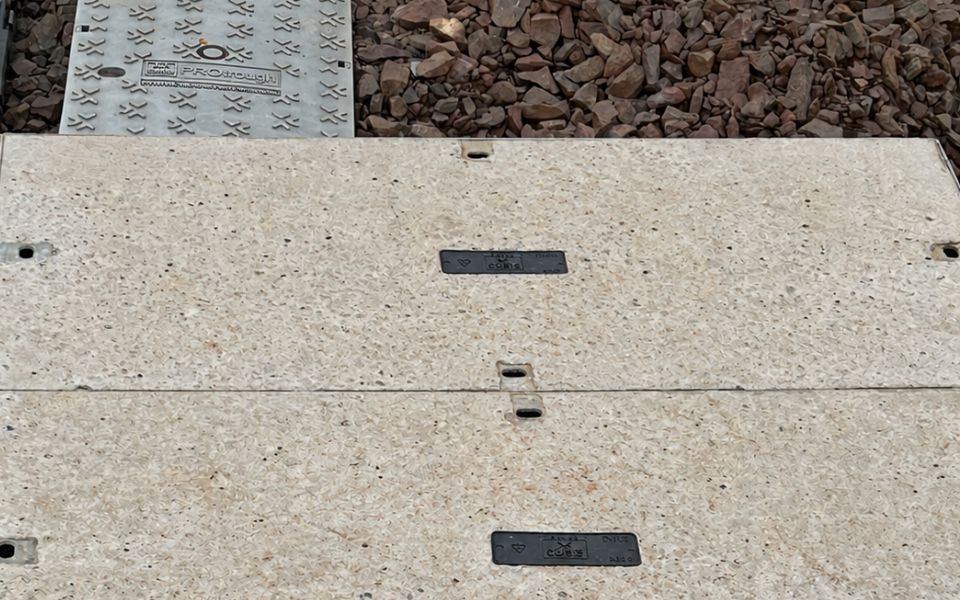
A look inside the Polish rail upgrades
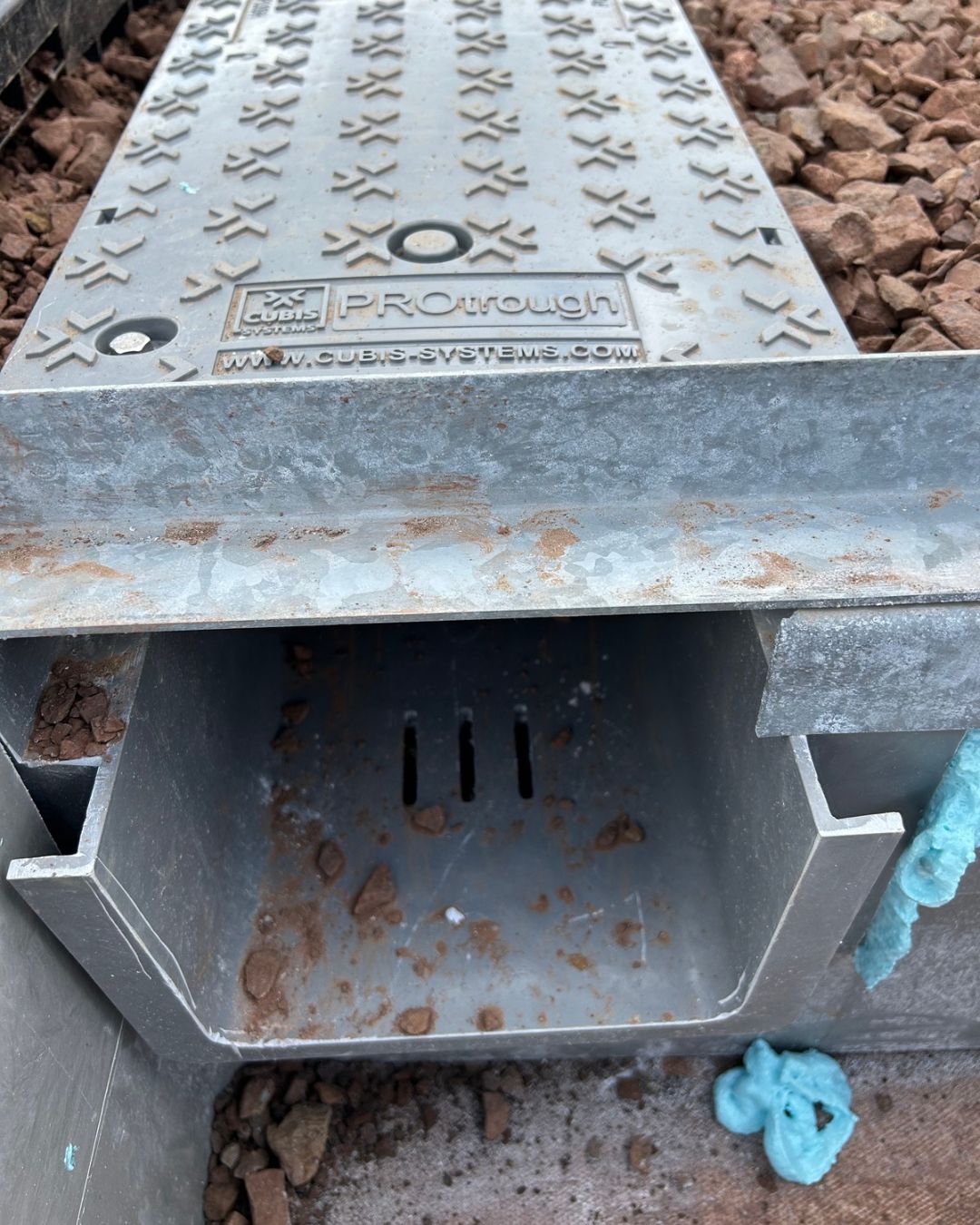
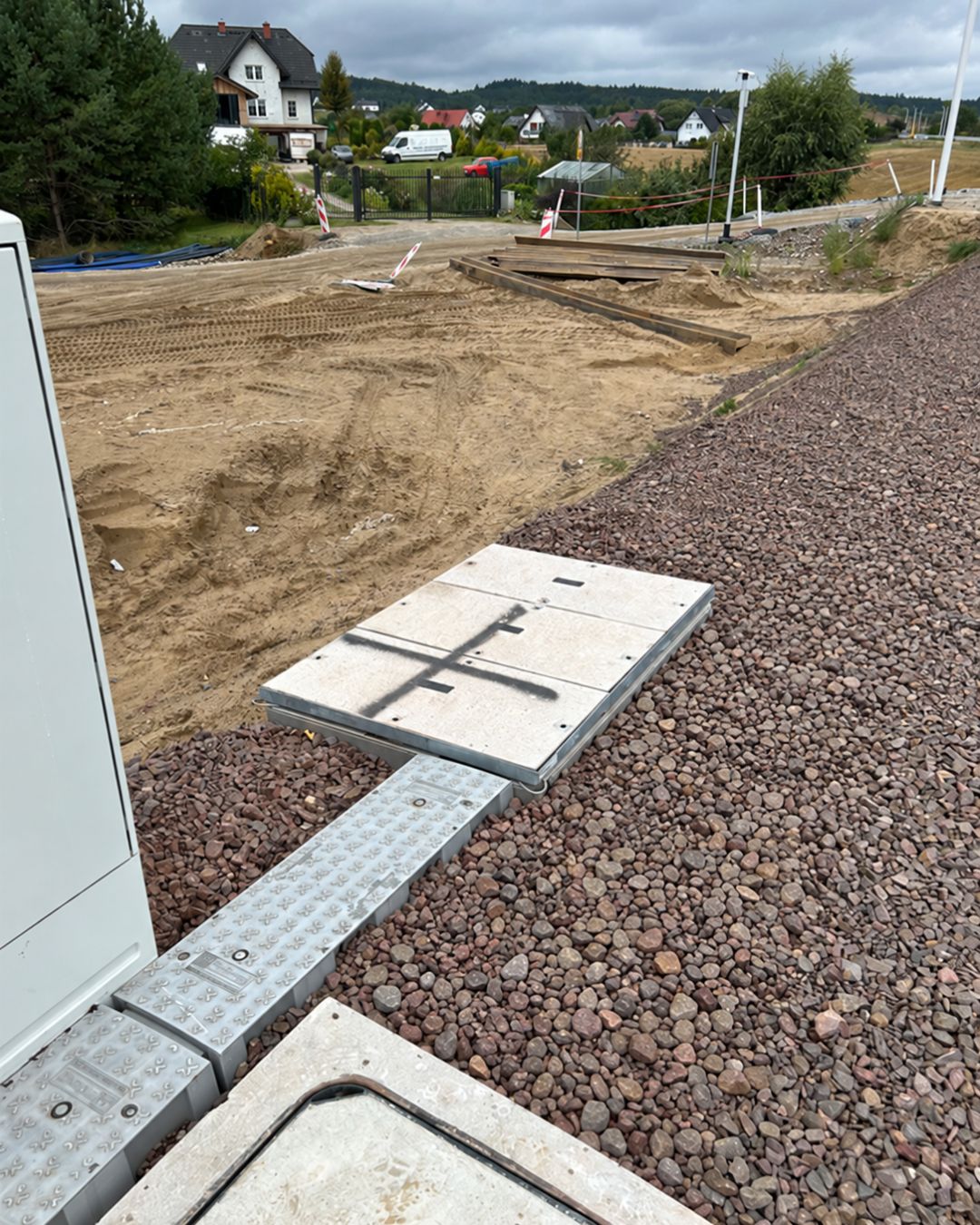
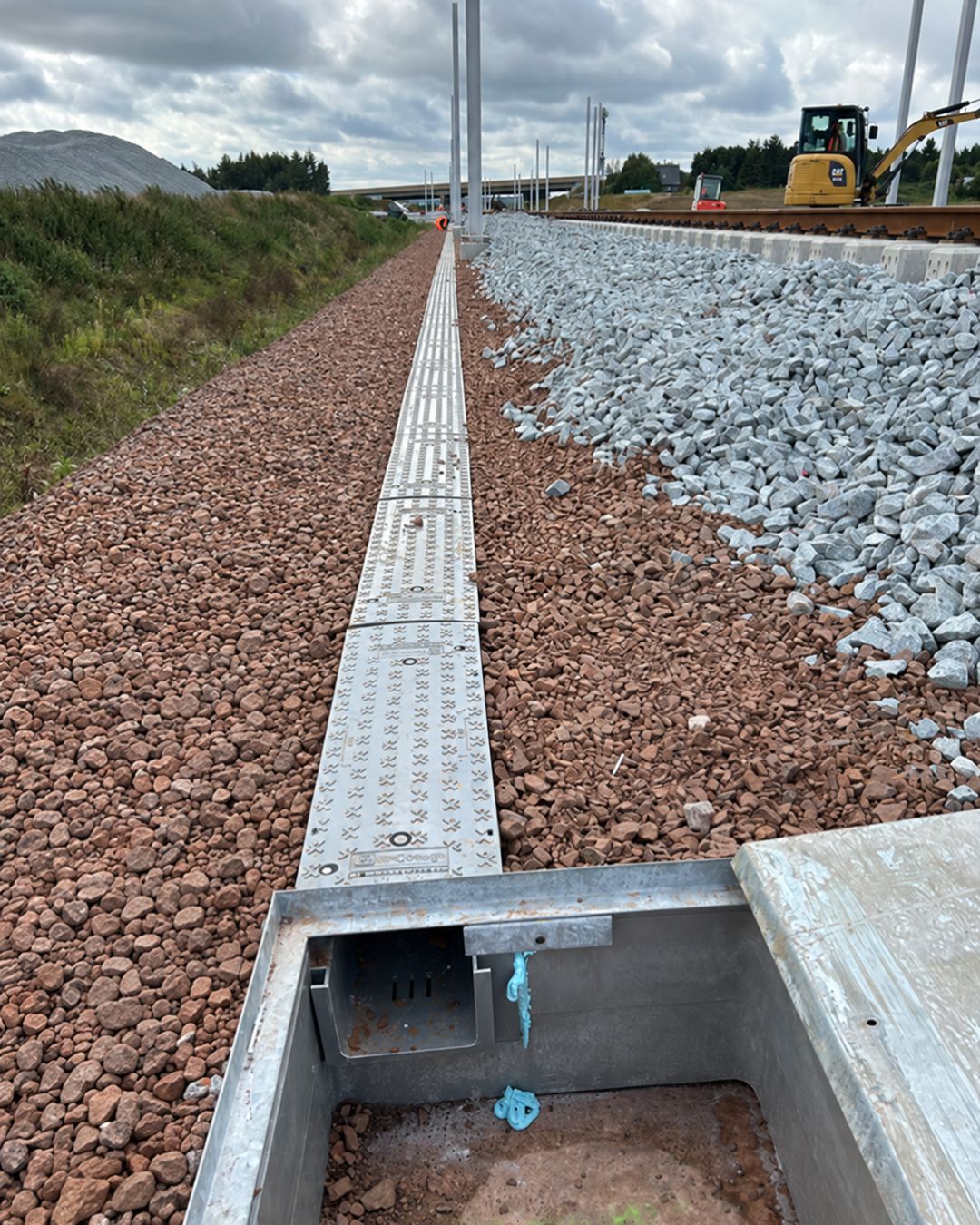
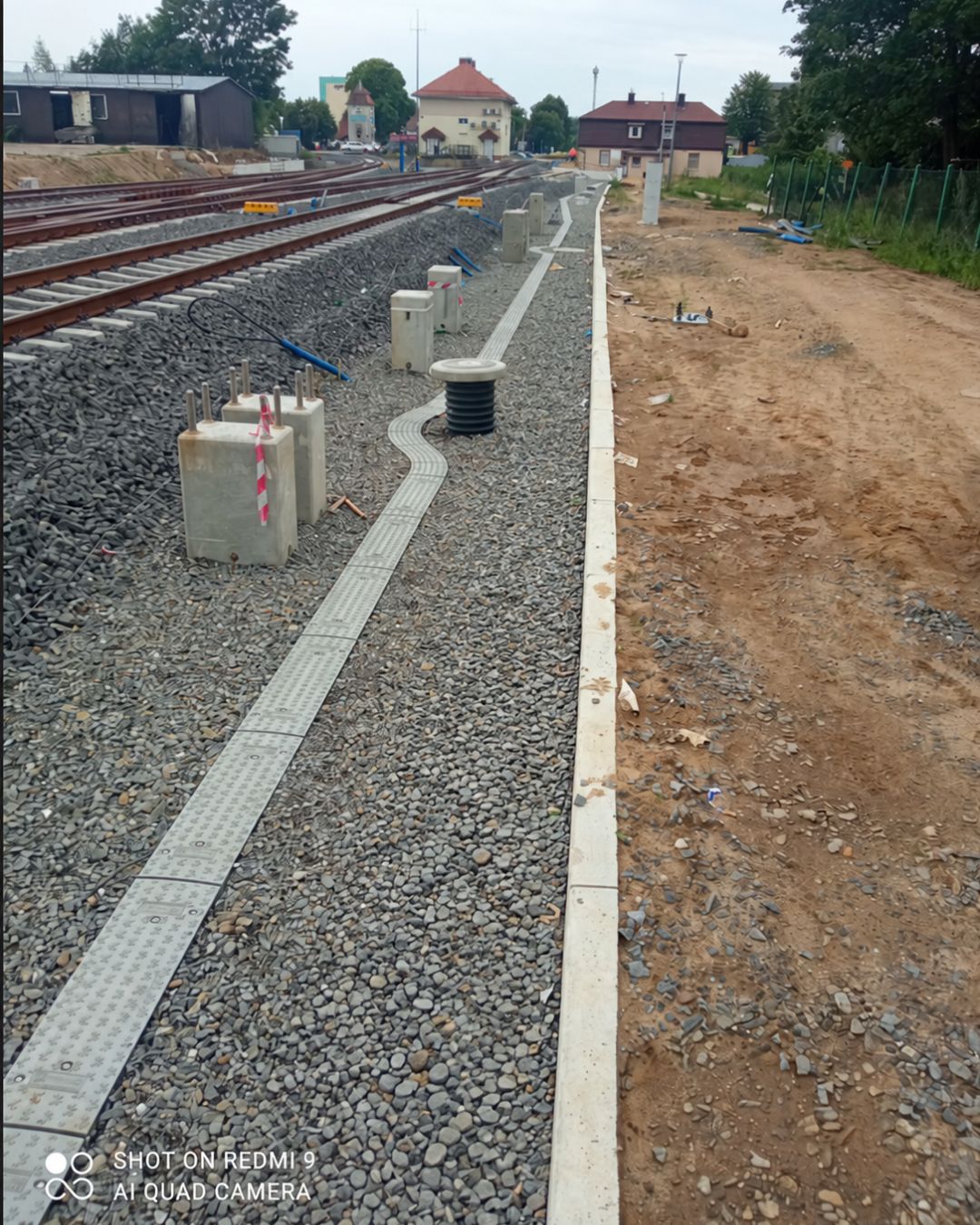
Why specifiers are turning to composite cable trough in global projects
These examples show two rural builds from Poland. However, whatever and wherever the rail challenge, PROtrough answers with the same set of benefits:
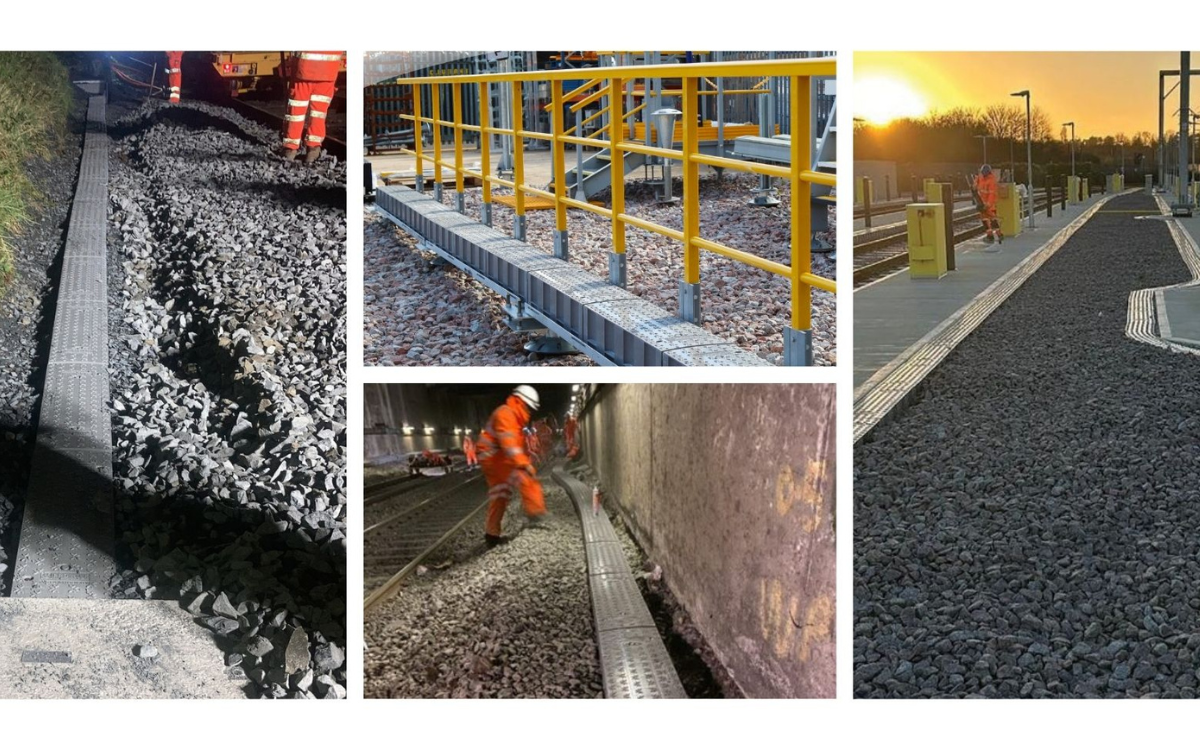
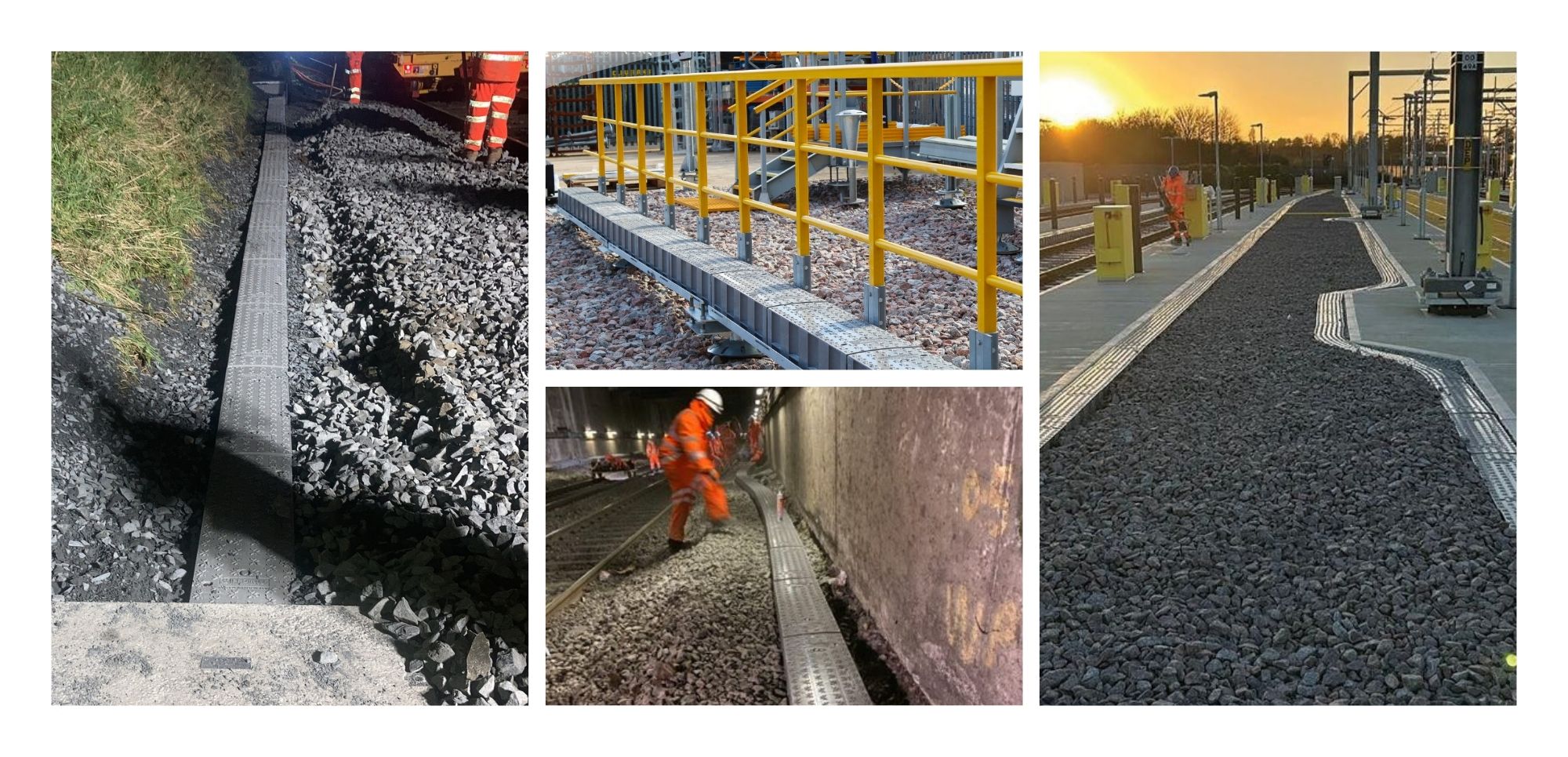
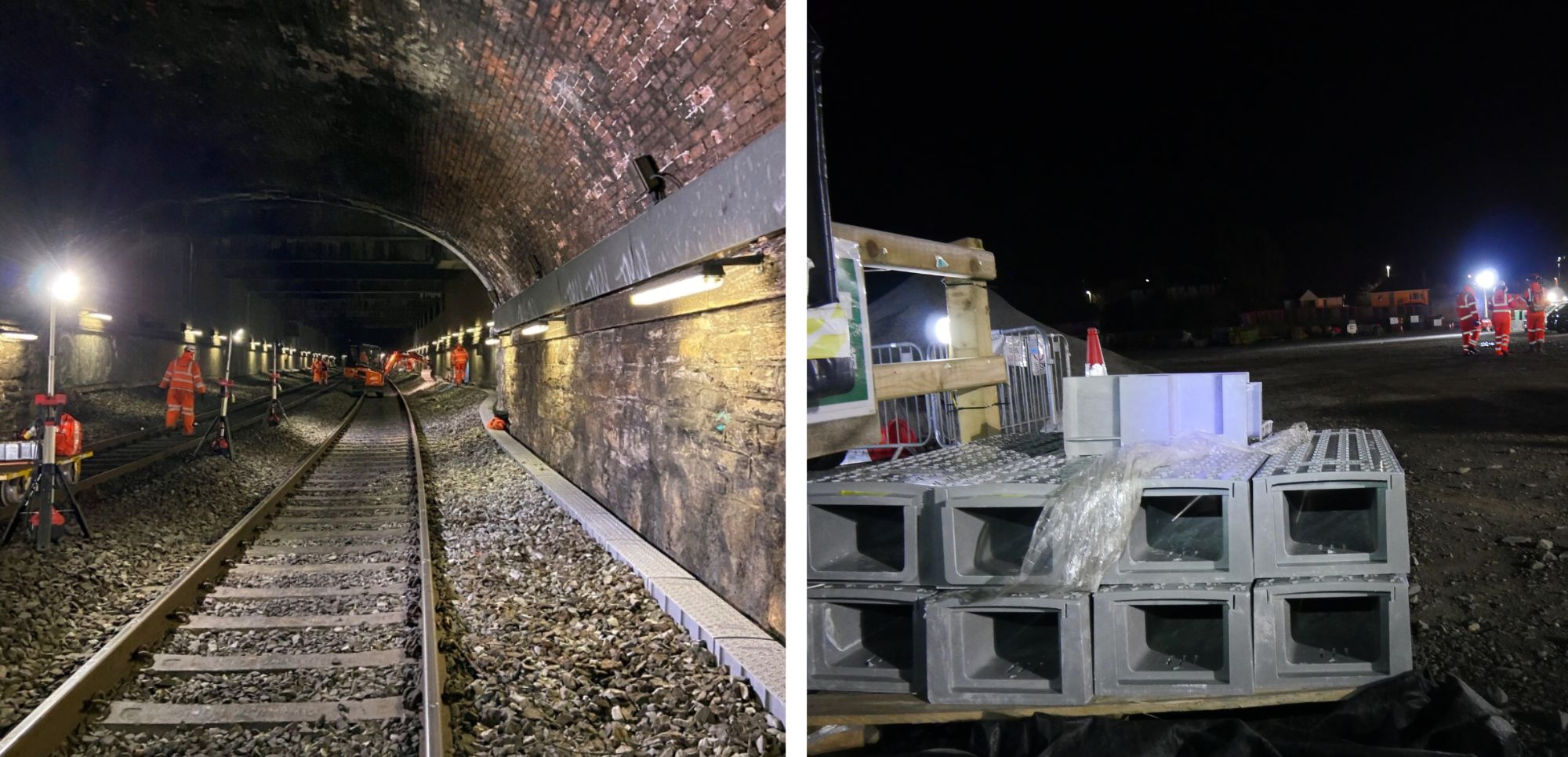
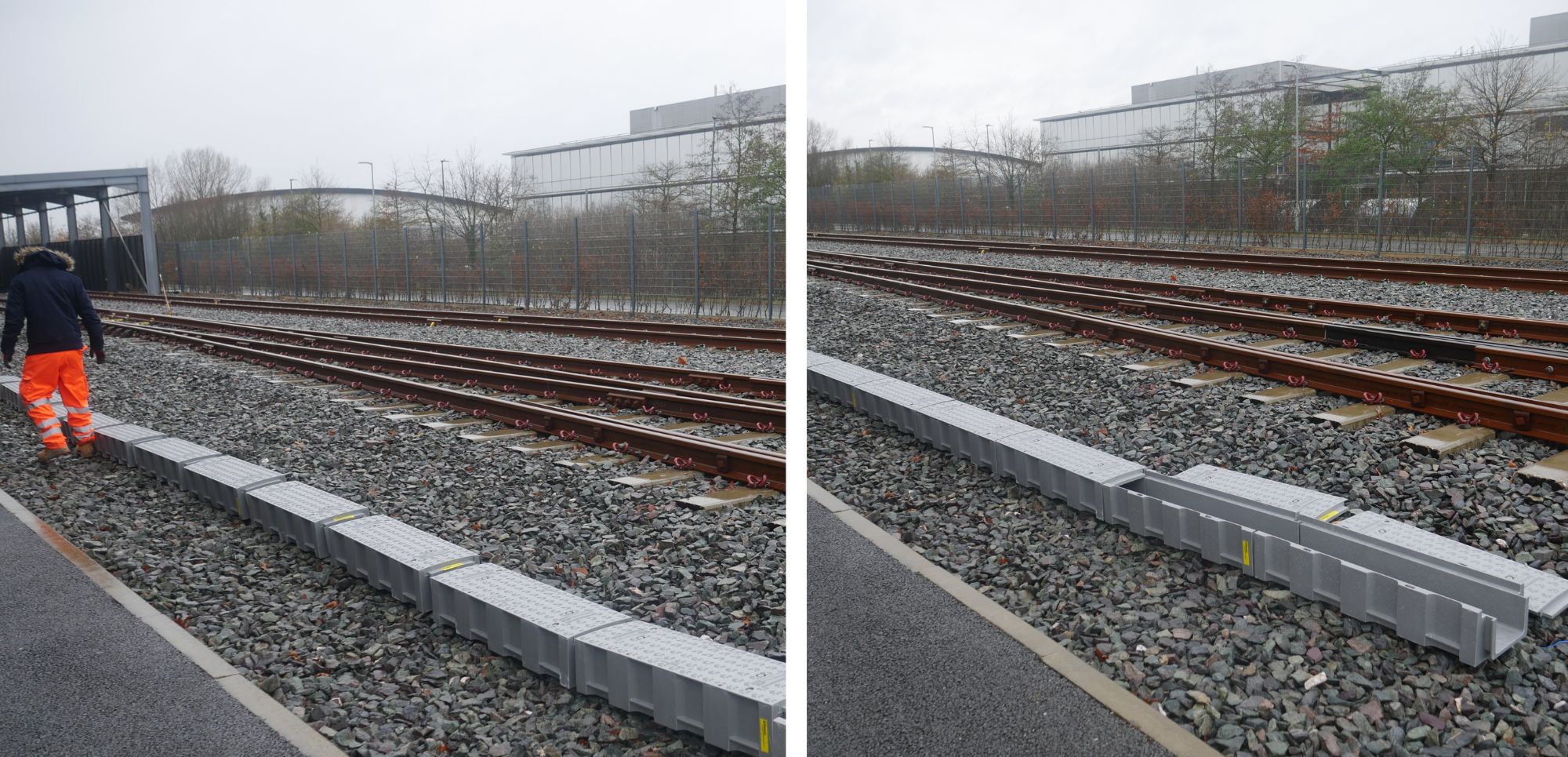
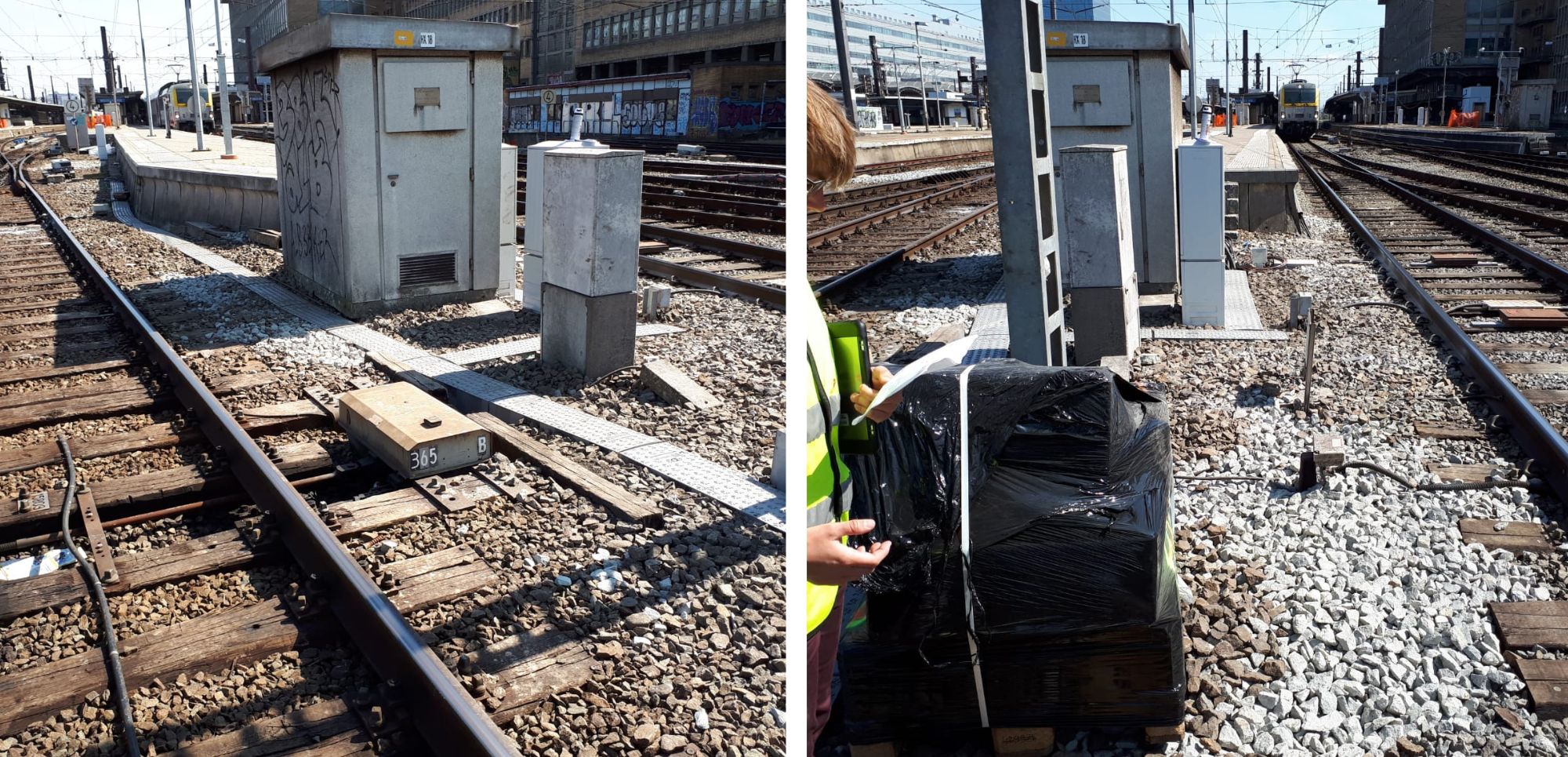
Lightweight and modular
Around five times lighter than concrete, with full structural integrity
Easy to handle
Around 18kg per complete unit, against 88kg for concrete.
Follows the track
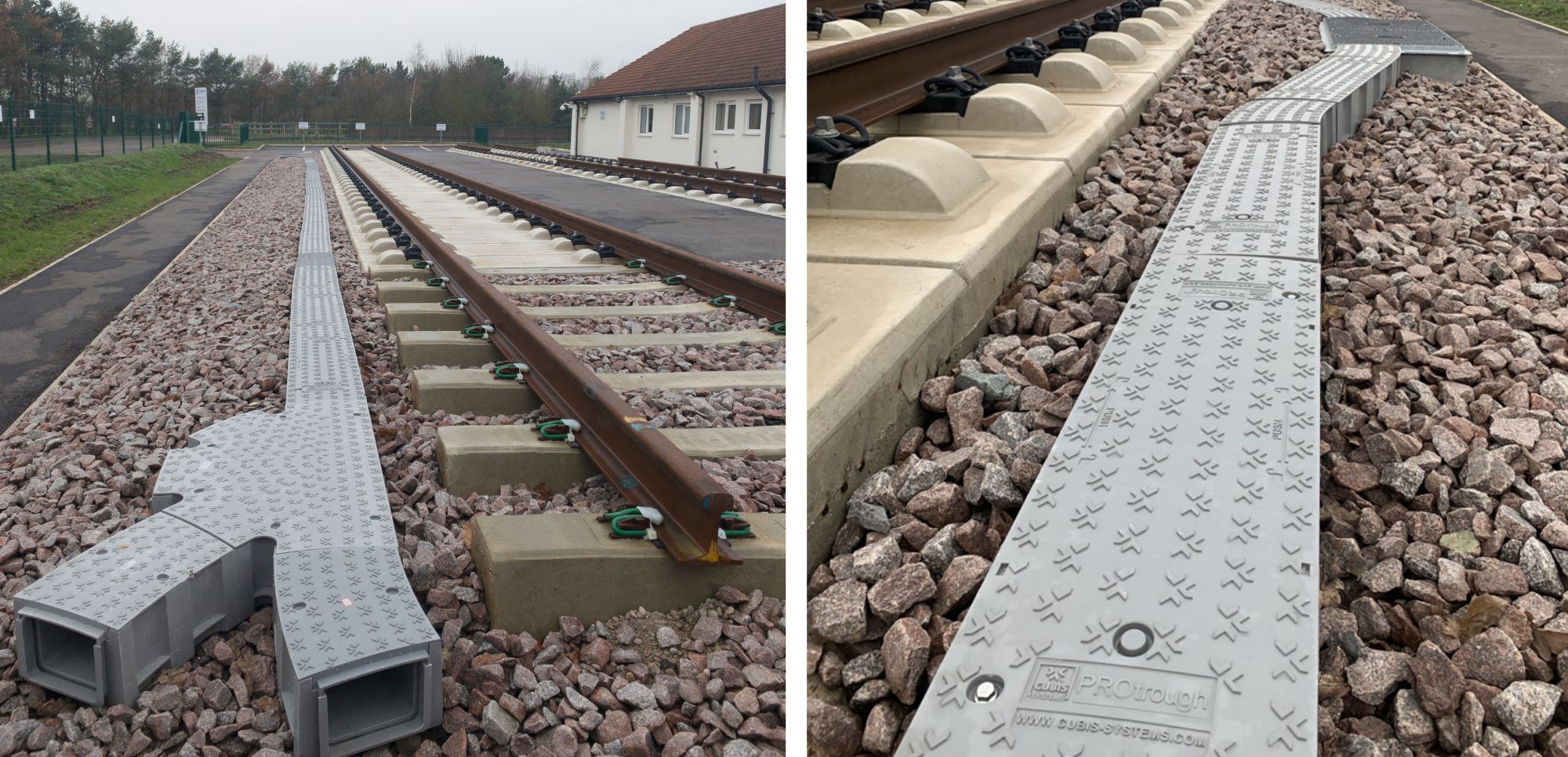
3° of rotation per unit, with wedges for bends down to a 1.5m radius.
Flame-retardant
Designed for European fire-retardant specs, inc. tunnels and stations
Stable in all conditions
No distortion or buckling with temperature changes
Built for the railway
Ballast anchor points guard against displacement from passing trains
Smoother cable pulling
Smooth internal walls, with no sharp edges
Weather-resistant
Sheds water, resists ice build-up, and allows for base drainage
Planning a rail infrastructure project?
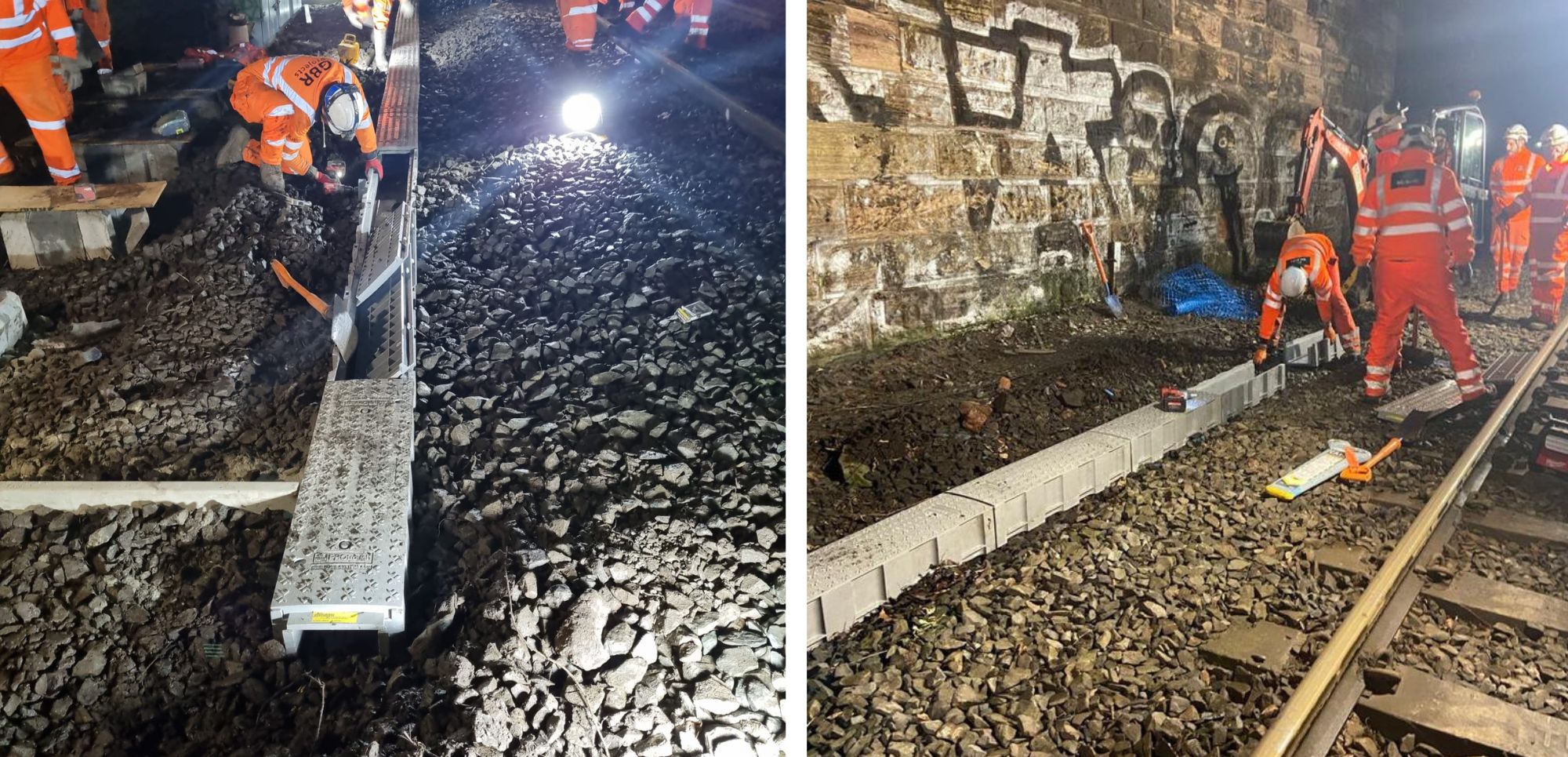
On these Polish line upgrades, PROtrough gave project teams a cable route that is easier to deliver, easier to lay and easier to specify with confidence. Lightweight modular units simplified logistics on the open-country sections. One-metre units with 3° rotation, plus wedge units, let the trough follow the line instead of forcing the route to fit the product.
Just a few examples of why PROtrough is trusted in projects around, and specified for its field-proven performance and installation advantages. Get in touch to discuss how our composite cable trough could work on your route.
FAQ
-
What is the difference between PROtrough and PROtrough 350, and when would I choose the larger unit?
PROtrough 350 has a larger profile, with a 240mm internal width against 190mm, for projects needing more cable capacity. Its flat-sided design lets units sit side by side to form an integrated walkway, and it has an enhanced turnkey locking system. A complete unit weighs 23.35kg, against 17.7kg for standard PROtrough. Standard PROtrough suits most cable runs where cable management is the only requirement.
-
Can PROtrough cope with embankments, slopes and changes in level?
Yes. A 30° elevation connection system handles abrupt changes in level, such as obstacles, embankment installs and surface-level connections to elevated troughing. For sloped and uneven ground there is also an elevated troughing system, with a steel tray design and optional handrails, available on request. A 5-way junction box and adaptors that allow sections to be installed in either direction help with more complex routes,
-
Can I specify PROtrough in my own design software, and who can help with the design?
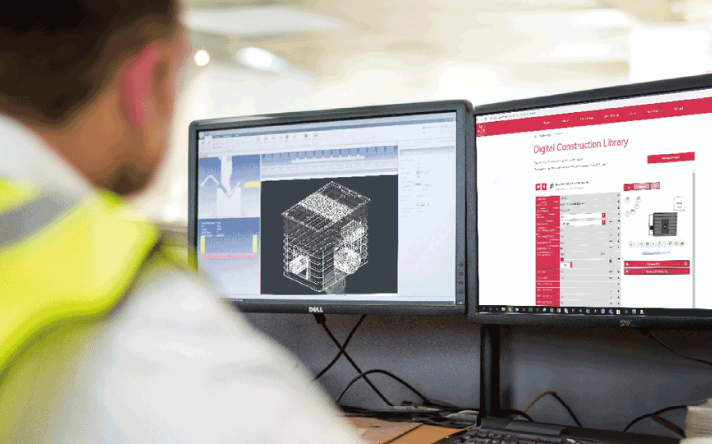
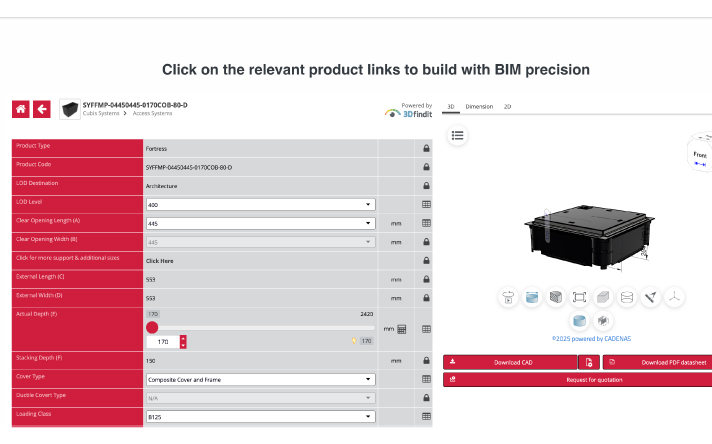
Yes. Cubis Systems offers a free BIM configurator with 3D product models and CAD downloads in a range of formats. Designers can use it to identify clashes early and plan budgets with precise data. Our team can also supply custom sizes, quotes and bespoke support. Technical project support, design guidance and installation information are available on request.
-
Where is PROtrough made, and what should I allow for delivery to Poland or Europe??
PROtrough is manufactured in-house by Cubis Systems, and Made in Britain. Delivery arrangements can be easily made for mainland Europe, and we also work across other continents too.
-
How does PROtrough support sustainability on rail projects?
PROtrough is non-cementitious and lightweight, which cuts carbon at source and in transport. (Our figures show 80.7% less carbon than brick or concrete.) At around 18kg per complete unit against 88kg for concrete, and supplied flat-packed, it also puts fewer lorries on the road.