Rail fire safety:
Why cable protection systems matter


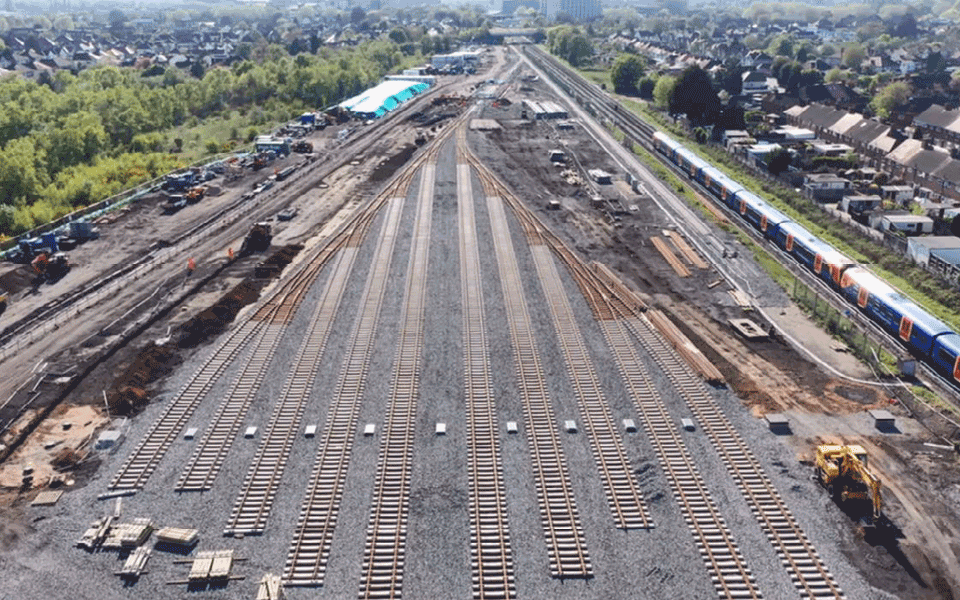
Rail networks are expanding and upgrading. That means increasing electrification, and rail corridors becoming more congested with power, signalling, telecoms, and data systems.

As infrastructure density increases, fire risk - whilst rare - is becoming a more important consideration in design and specification. This is particularly true in higher-risk environments such as tunnels, underground assets, and heavily vegetated routes.
For designers and asset owners, this raises an important question:
If modern rail infrastructure demands high flame-retardant performance across rolling stock, cable systems, and station environments… why should troughing systems be any different?
Traditionally, achieving that level of rail fire safety performance has meant either:
a) specifying difficult-to-handle concrete troughs
b) accepting compromises with lighter composite alternatives that may not deliver the same flame-retardant standards
PROtrough changes that equation. It offers the flame-retardant performance the industry expects, in a lightweight, non-cementitious format that's actually practical to install.
Understanding potential fire risk in rail environments
Rail fire incidents are uncommon. However, when they do occur, infrastructure itself can influence how quickly a fire might spread - or how difficult it becomes to control.
Across the UK rail network, several scenarios continue to warrant careful consideration during the design phase:
- Brake-related fire hazards
- Tunnels and confined environments
- Vegetation and lineside ignition
- Rodent damage and cable exposure
Let's look at each risk in turn.
1. Brake-related fire hazards
One of the most widely recognised potential risks comes from braking systems.
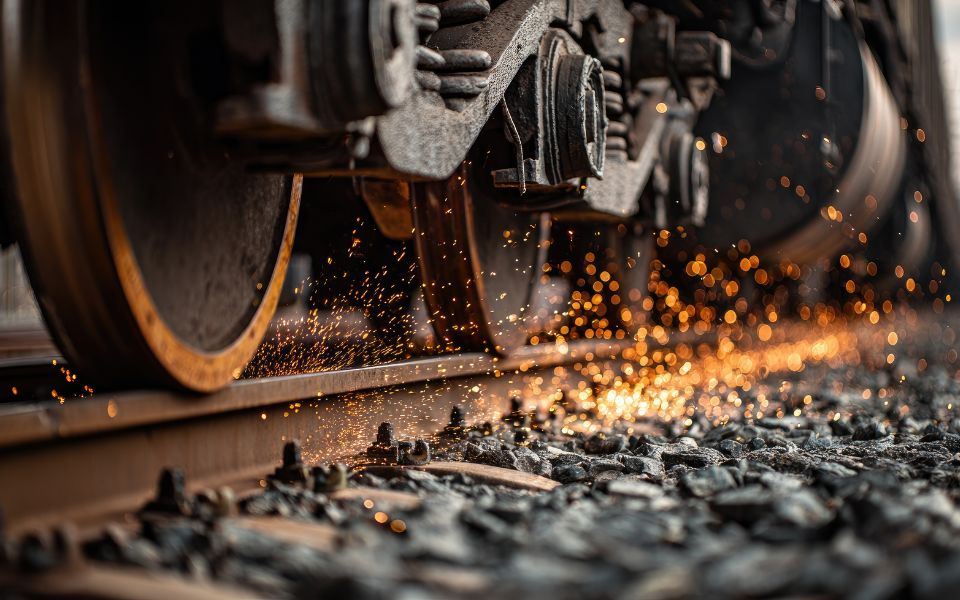
In certain (rare) fault scenarios, brake shoes or hot friction materials can detach from rolling stock. When these components land within the rail corridor, they then have the potential to:
- Ignite surrounding combustible materials
- Expose nearby infrastructure to extremely high temperatures
This risk becomes particularly relevant around cable routes and troughing systems. If a troughing product were to soften, deform, or contribute fuel during a fire event, the consequences could escalate rapidly. Risk is only intensified where critical signalling or power infrastructure is involved.
Modern rail infrastructure increasingly focuses on reducing these risks through improved rolling stock maintenance, composite brake materials, and operational controls.
However, infrastructure design also has a key role to play in mitigating potential outcomes.
2. Tunnels and confined rail environments
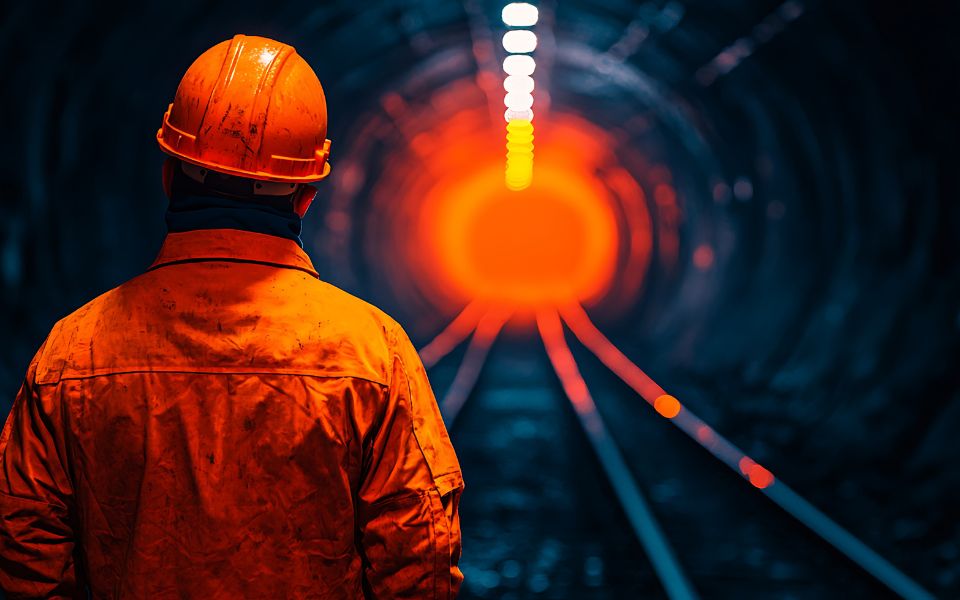
Tunnel environments present another important rail fire safety consideration.
Unlike open-air routes, tunnels create confined spaces where heat, smoke, and toxic gases could accumulate quickly in the event of a fire. Access for emergency response is significantly more difficult, while evacuation and visibility become major concerns.
In these environments, the behaviour of construction materials under fire conditions matters enormously.
Materials that could generate excessive smoke, contribute to flame spread, or fail structurally under heat all increase risk. (True for passengers, rail workers, and emergency services alike.)
This is why fire performance standards are already heavily scrutinised across rolling stock interiors, station materials, cable systems, and tunnel assets.
Yet historically, troughing systems have not always received the same level of attention.
3. Vegetation and lineside ignition
International rail safety guidance - including publications from the Australian rail sector regulator ONRSR - highlights vegetation and combustible material as a potential contributing factor in lineside fires.
Dry vegetation, debris within ballast, and unmanaged fire load along the corridor can all increase the likelihood and severity of fire incidents should an ignition source be present.
Potential ignition sources include:
- Hot brake components
- Exhaust sparks
- Rail grinding activities
- Welding and maintenance works
- Electrical faults
While vegetation management and maintenance procedures remain essential controls, infrastructure materials themselves can either reduce or worsen fire propagation should an incident occur.
The principle is simple: the less combustible material introduced into the corridor, the lower the overall fire load.

4. Rodent damage and cable exposure
Another potential rail fire safety risk comes from rodent activity.
Rodents can be a persistent issue across rail infrastructure, particularly around cable routes. Gnawing damage to cable insulation can expose live conductors. In turn, this increases the potential for electrical faults, short circuits, arcing, and ignition events.
Protecting cable infrastructure is therefore not only about physical security and asset longevity, but also a part of broader fire prevention strategy.
For this reason, designers are increasingly considering how cable protection systems perform both:
a) structurally
b) under extreme environmental and fire conditions.
The industry focus on fire-conscious infrastructure
Rail fire safety is a universal consideration in projects around the globe. Across modern rail infrastructure, for example, there is an emphasis on reducing combustible materials and improving resilience in higher-risk environments. This emphasis is already evident in:
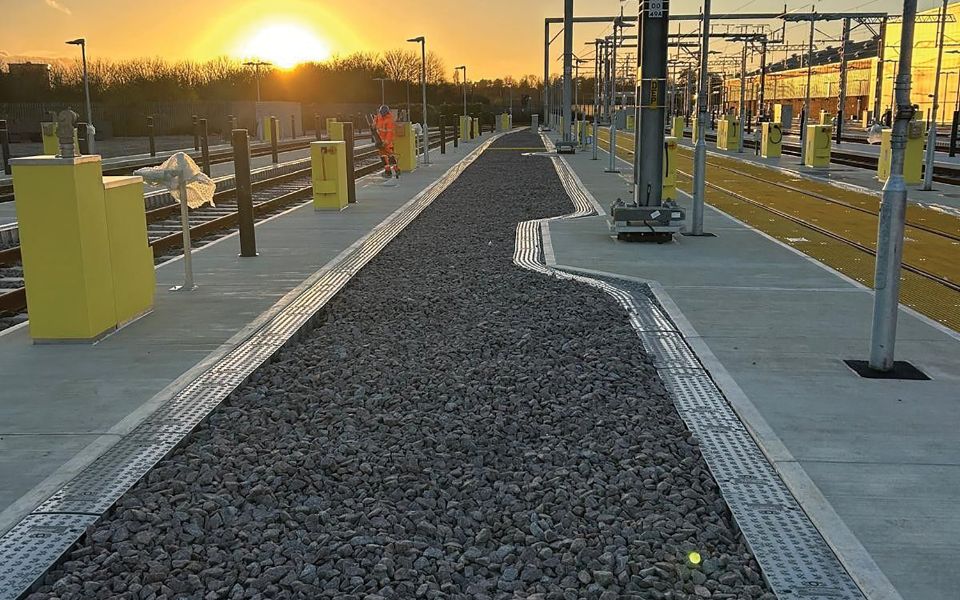
Extending the same design philosophy to cable troughing systems
Traditionally, many troughing systems have relied on concrete or polymer-based solutions that either:
a) Create significant installation and handling challenges
or
b) Offer limited flame-retardant performance
For designers trying to balance fire performance, installation efficiency, maintenance practicality, and long-term durability, that creates a difficult compromise.
This is exactly the challenge Cubis Systems set out to address with our PROtrough range.
Explore the Cubis troughing range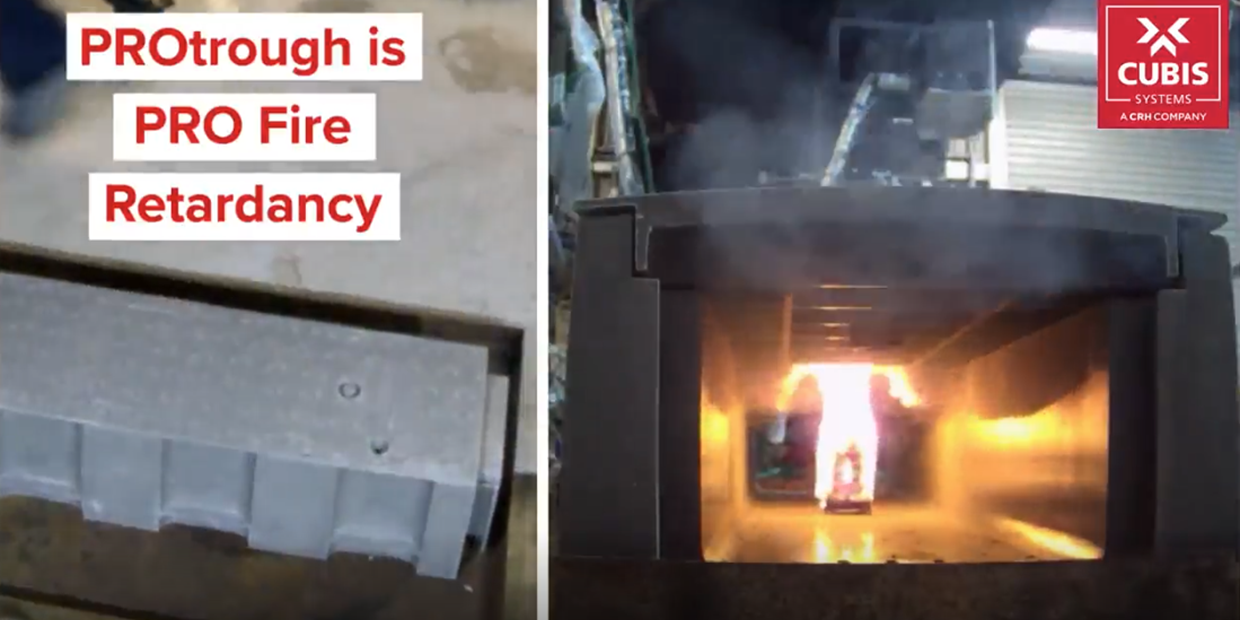
Introducing PROtrough
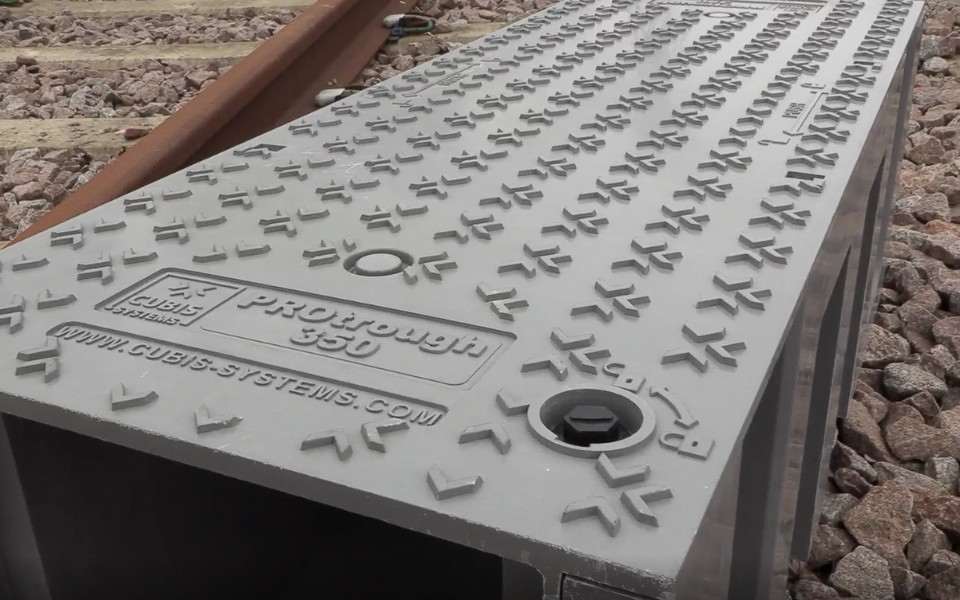
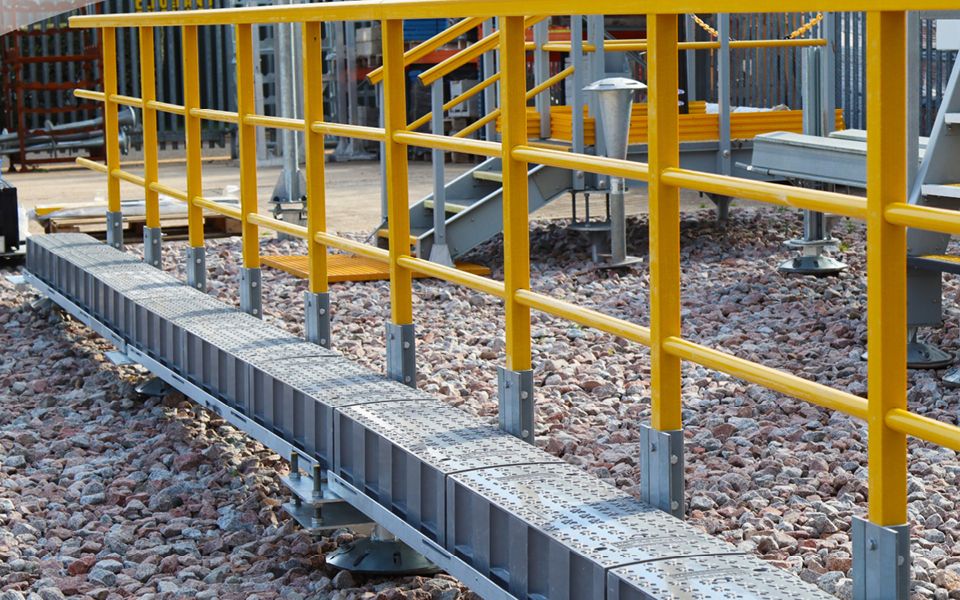
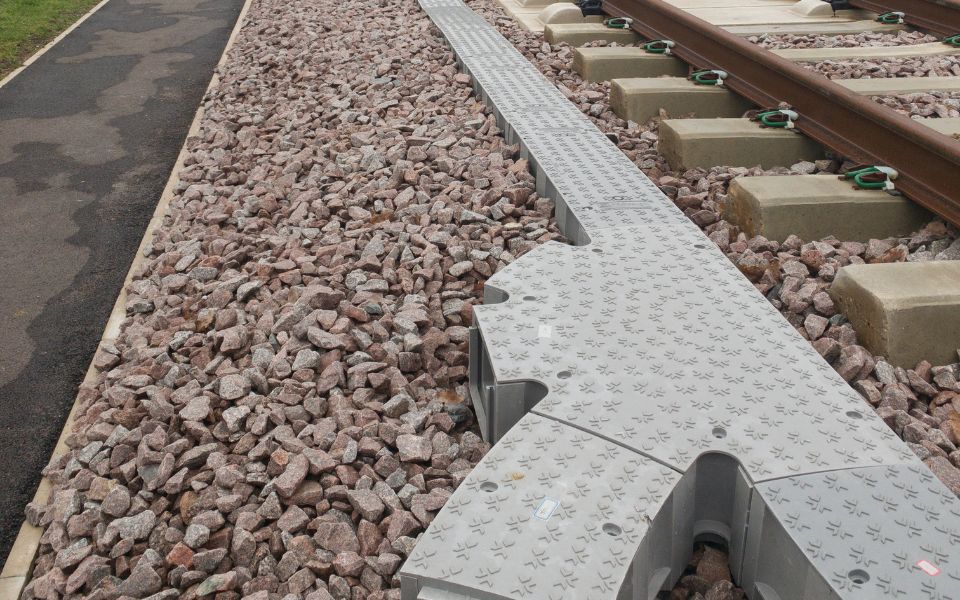
PROtrough is a modern approach to rail troughing. The solution has been developed specifically for modern rail infrastructure environments where traditional troughing systems may not meet every requirement.
The system combines lightweight modular construction with exceptionally high flame-retardant performance, without relying on traditional cementitious designs.
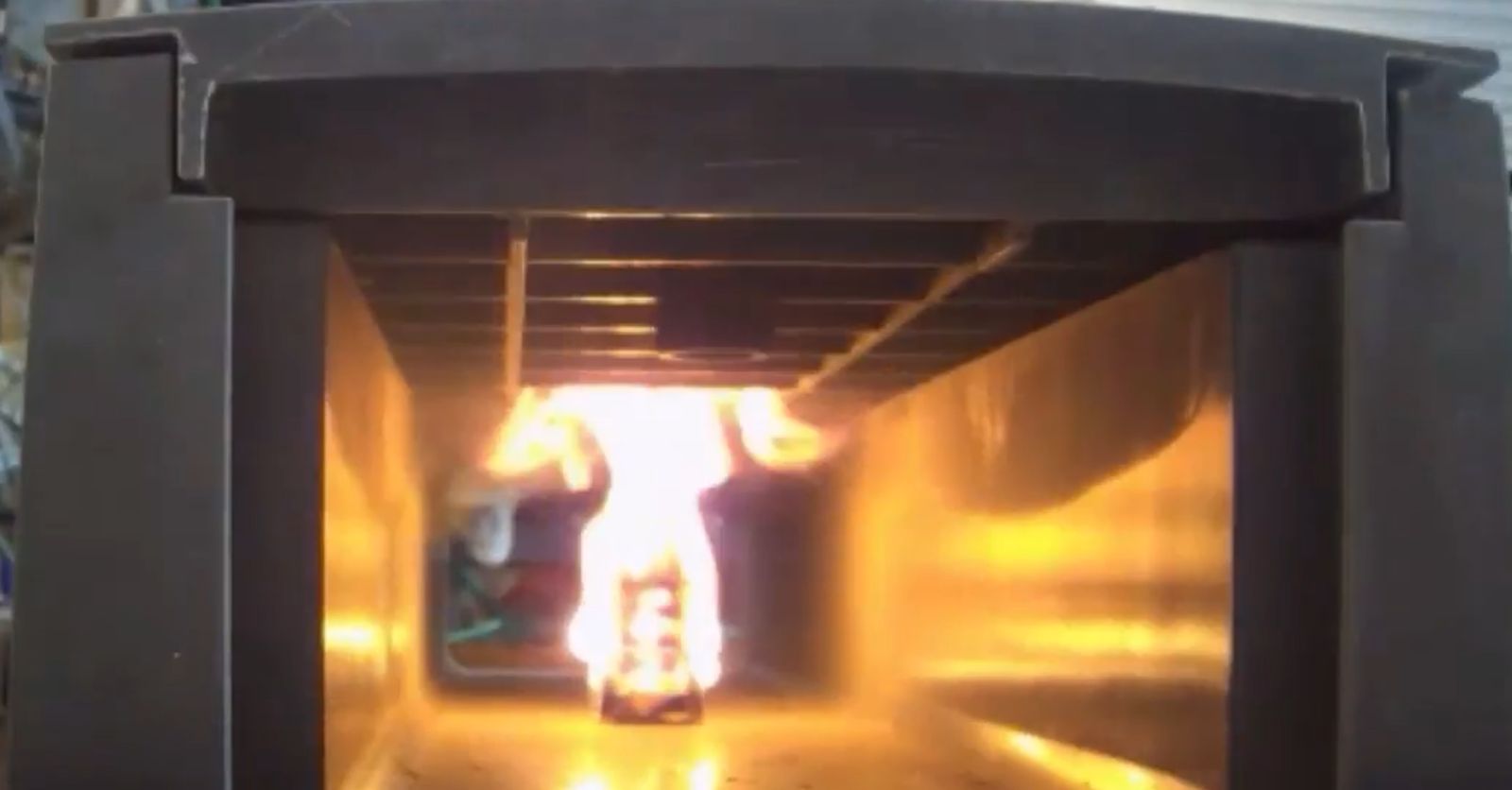
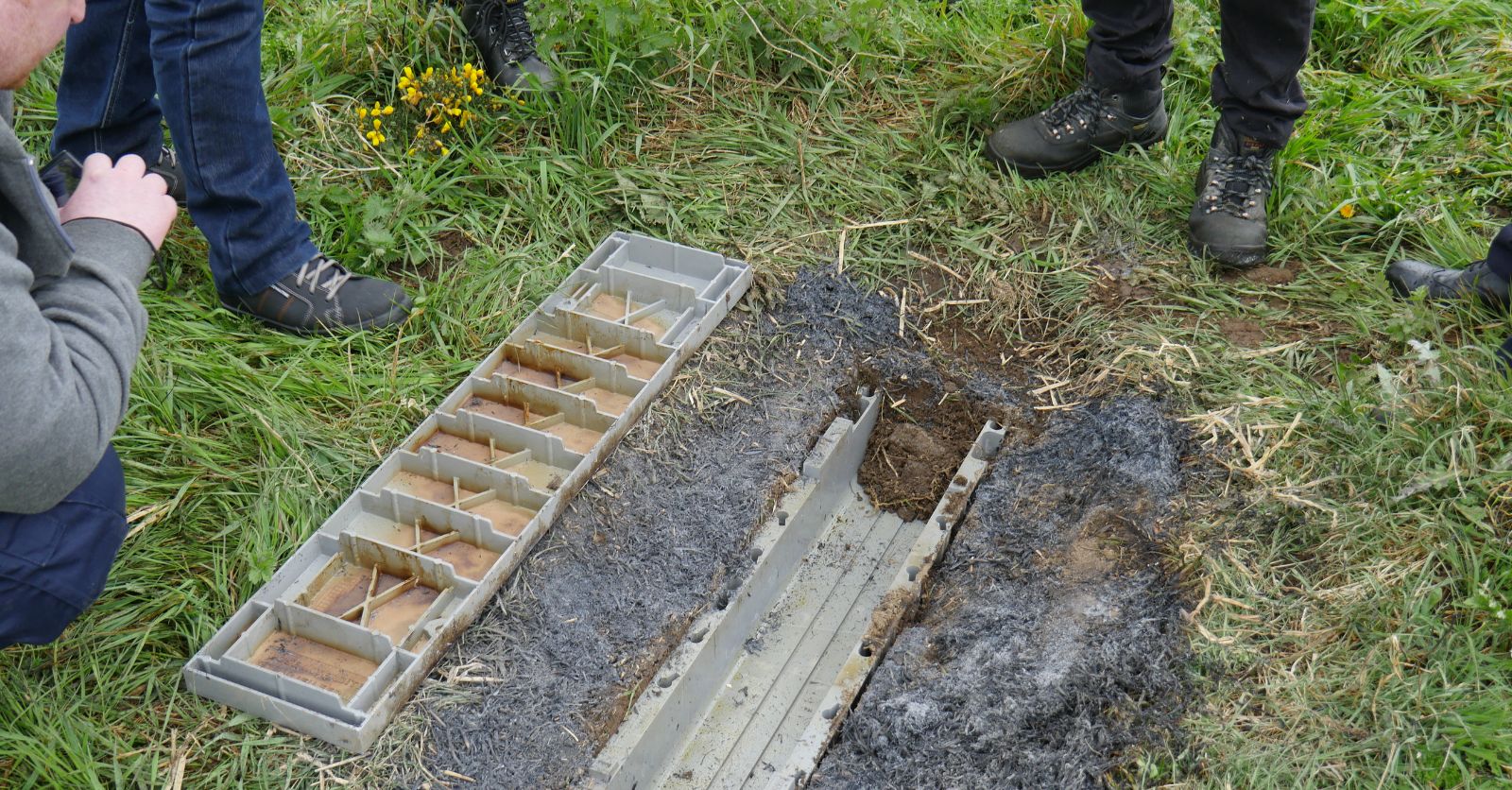
Most importantly, PROtrough is currently the UK's most flame-retardant non-cementitious troughing system. (Play the video to the left for the proof of this point in action.)
That matters because it gives designers a practical alternative:
- A trough that is significantly lighter and easier to install than concrete
- While still delivering the fire performance expected in demanding rail environments
Why flame retardance matters in troughing
No infrastructure product can eliminate fire risk entirely.
However, infrastructure can absolutely be designed to minimise potential for:
In practical terms, then, a flame-retardant troughing system helps reduce the likelihood that cable management infrastructure itself could become part of the problem in the rare event of a fire.
Where high temperatures or ignition events might occur, specifying materials designed to resist flame propagation is simply a sensible engineering decision. This is particularly important in:
Solving more than just fire performance
While fire performance is central to PROtrough, the system also addresses many of the operational and installation challenges associated with traditional concrete troughing.
We'll share some of the fast product facts below, or you can download our product brochure for the full insights.
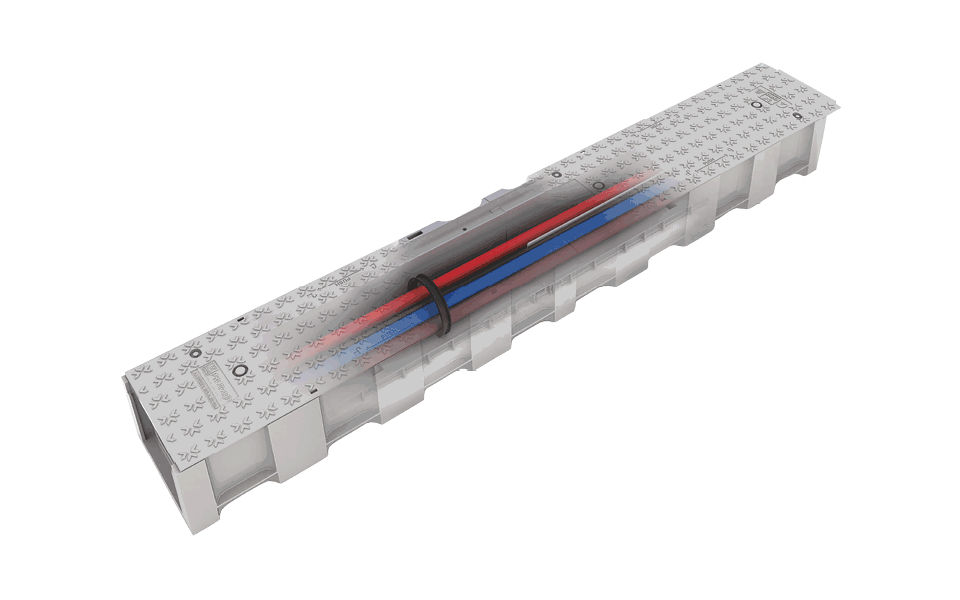
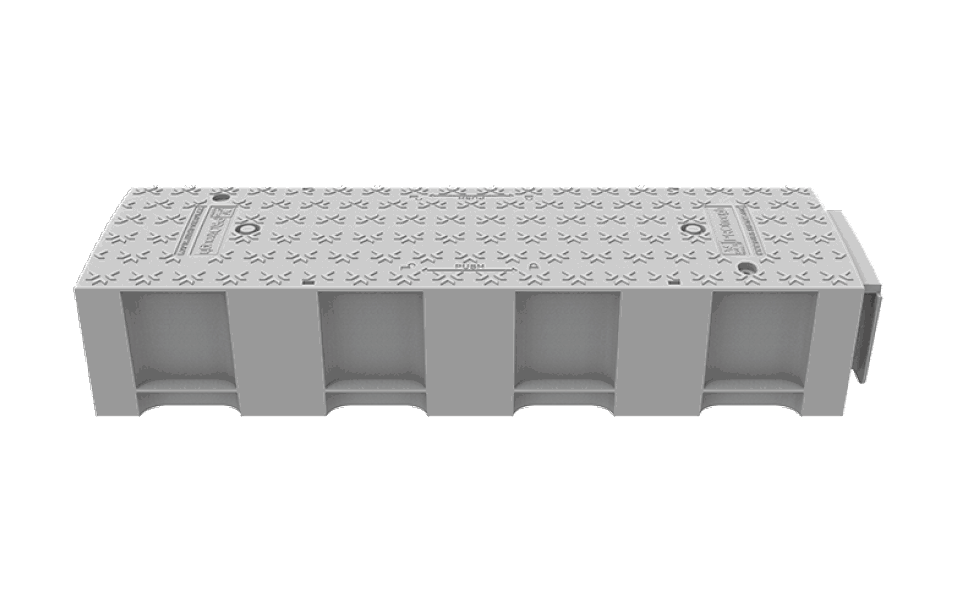
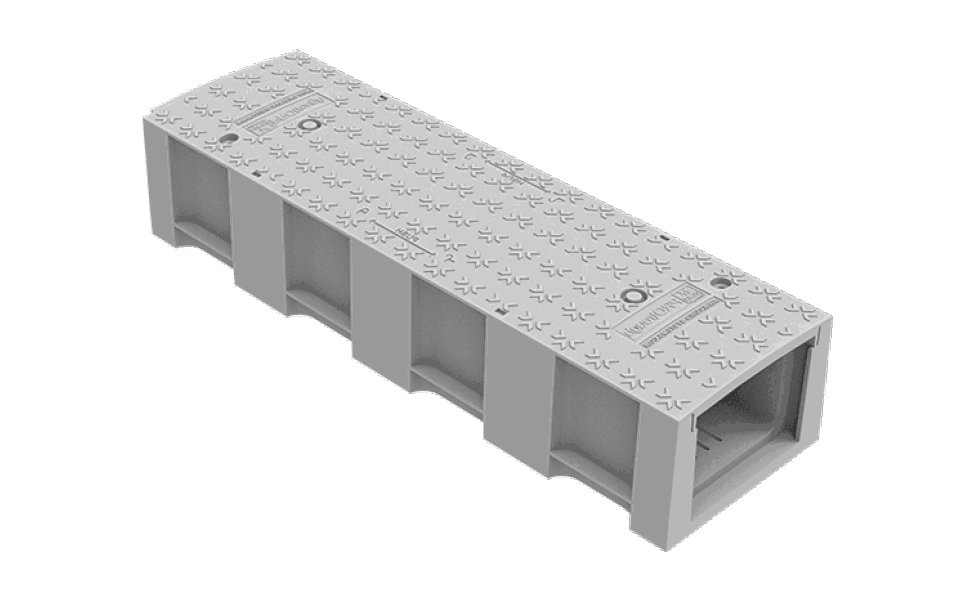
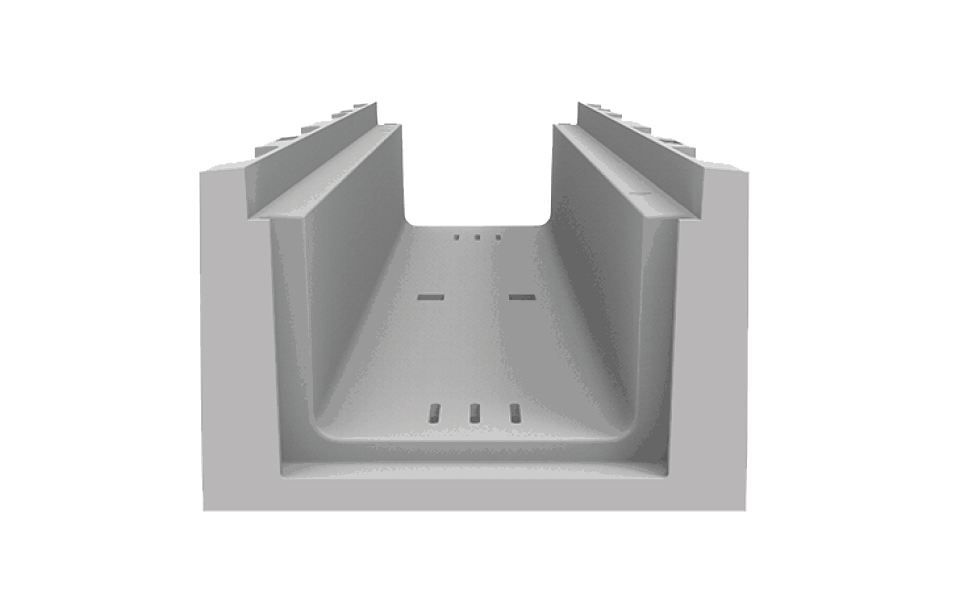
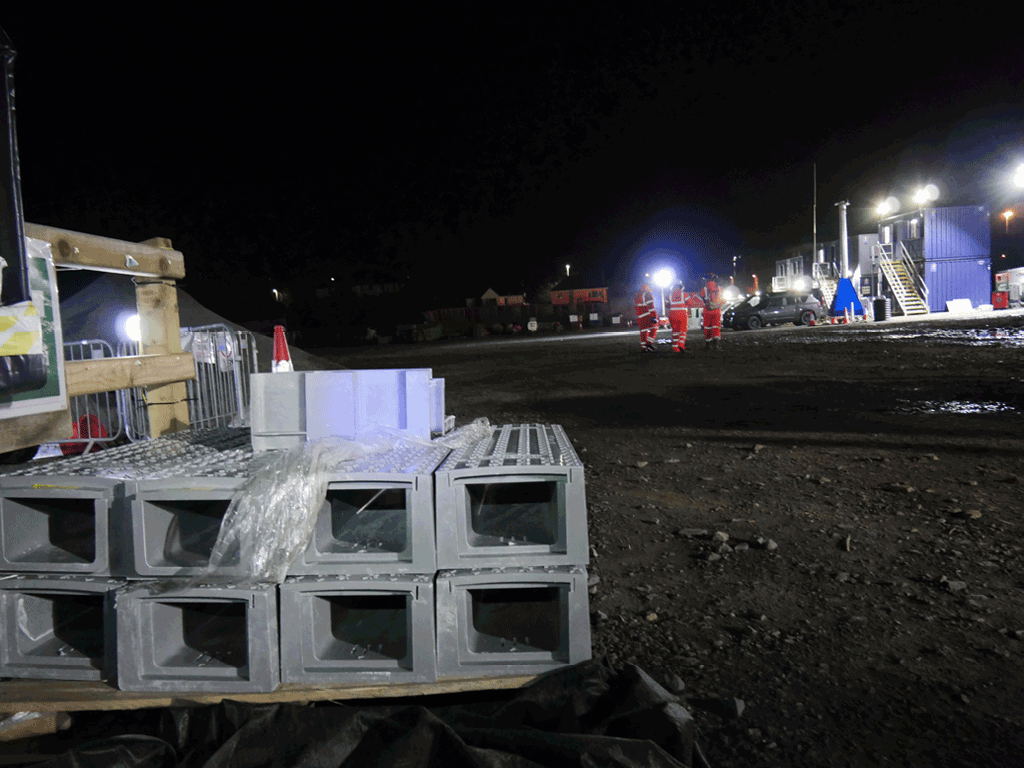
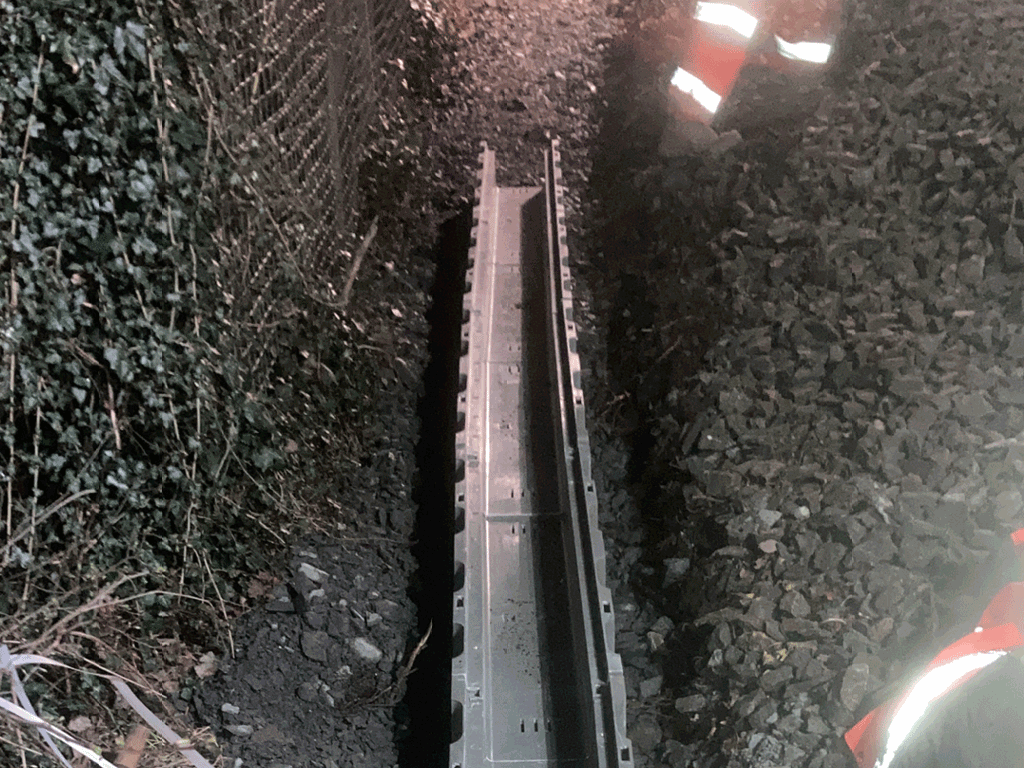
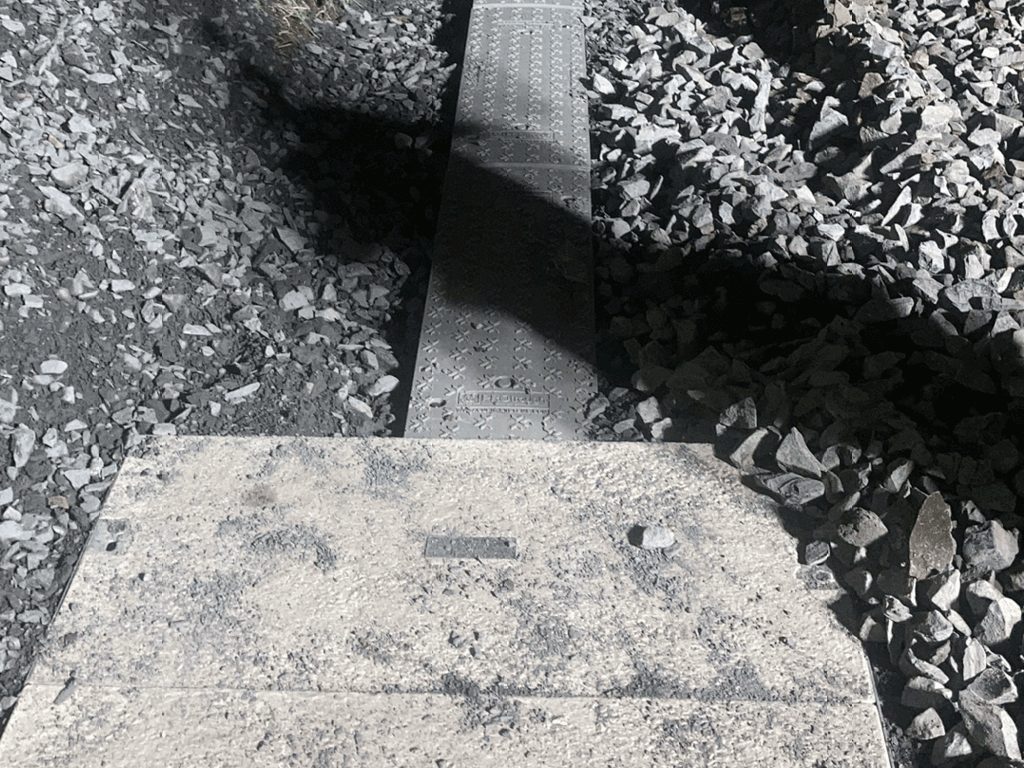
GRP cable management trough primed for rail
Lightweight design 5 times lighter than concrete
Superior structural integrity compared to thermoplastic
Designed to comply with European fire retardancy specs
Eliminates common heat distortion and thermal expansion issues
Extensive range of accessories to enable flexibility
Seamless integration with the Cubis chamber range
Delivers fire standards unachievable in alternative thermoplastic troughs
Supporting the future of rail infrastructure
The rail industry is already investing heavily in safer, smarter, and more resilient infrastructure.
As designers place increasing focus on fire performance across the wider network, troughing systems should not be overlooked.
A modern cable route should do more than simply protect cables mechanically. It should also support:
- Safer infrastructure design
- Improved rail fire safety credentials
- Improved installation efficiency
- Lower whole-life maintenance demands
Ultimately, specifying a flame-retardant, non-cementitious trough in a modern rail environment simply makes good engineering sense.
A complete rail infrastructure offering
While PROtrough is designed specifically for high-performance cable troughing, it forms part of a wider rail infrastructure portfolio from Cubis Systems.
Across major rail and light rail projects worldwide, Cubis Systems supports operators, contractors, and designers with:
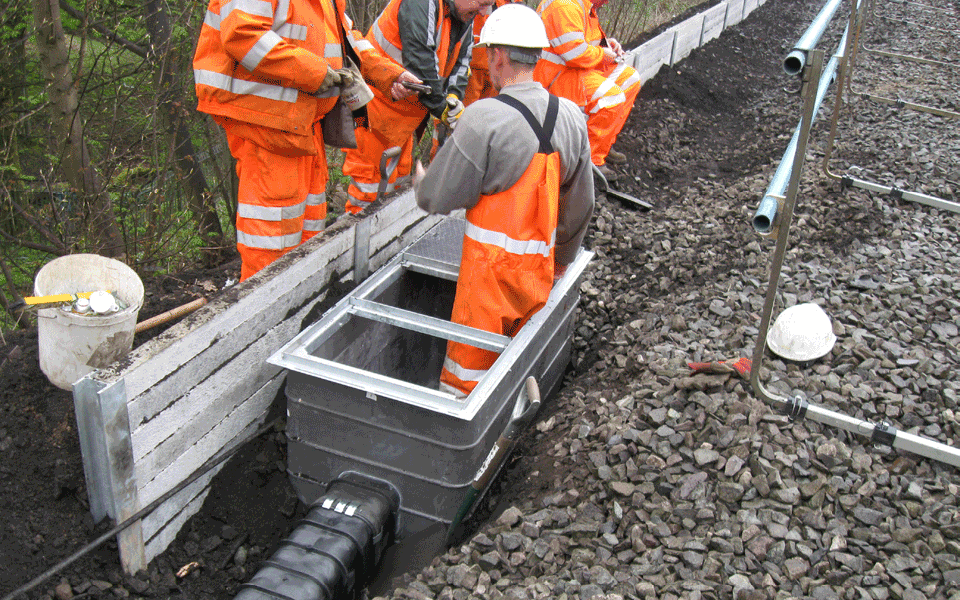
- Trackside drainage
- Under track and road crossings
- Fixed telecoms network
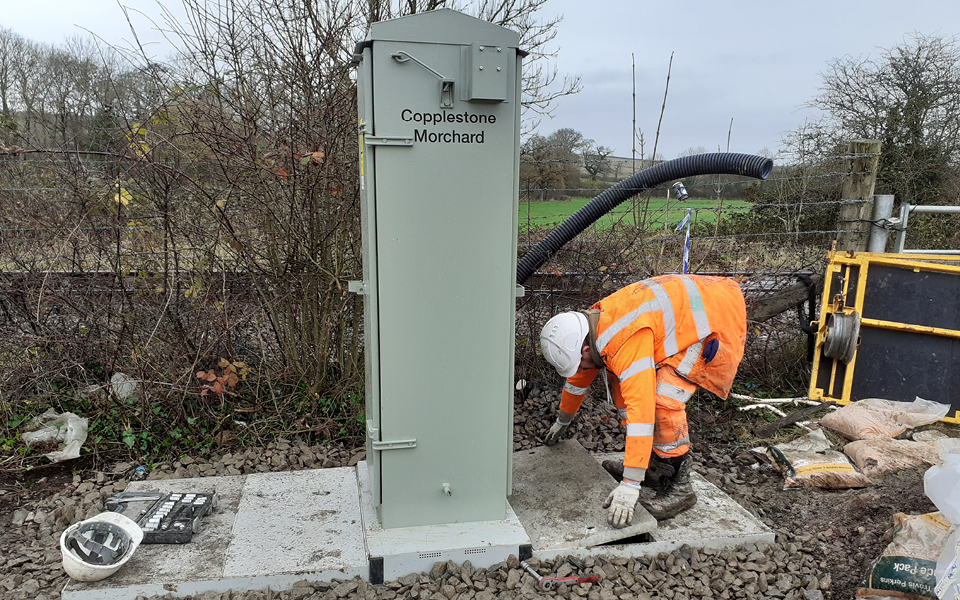
- Rail cabinet base
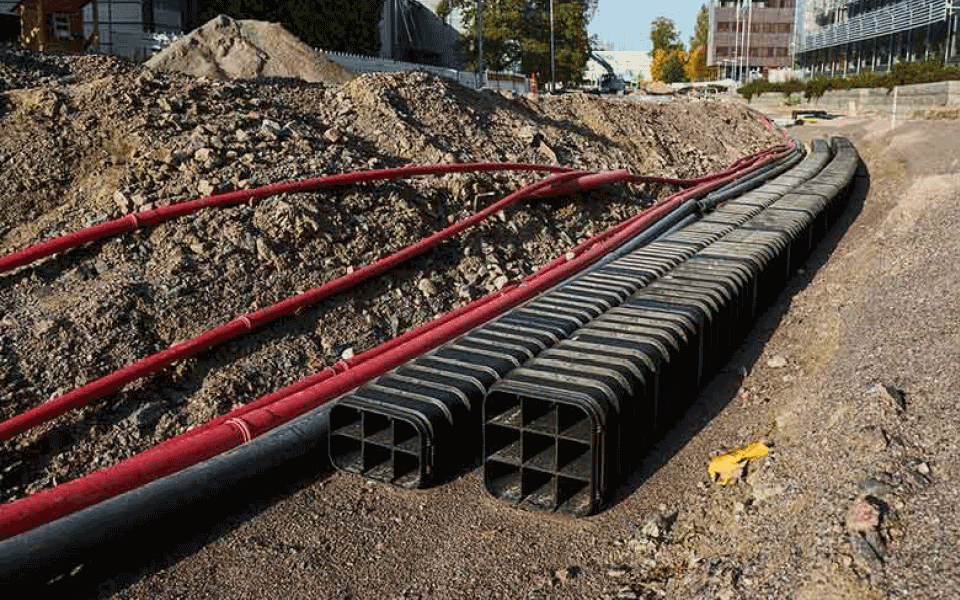
- Buried cable routes
- Connecting, sealing, and protecting cables and ducting
- Innovative pole foundations
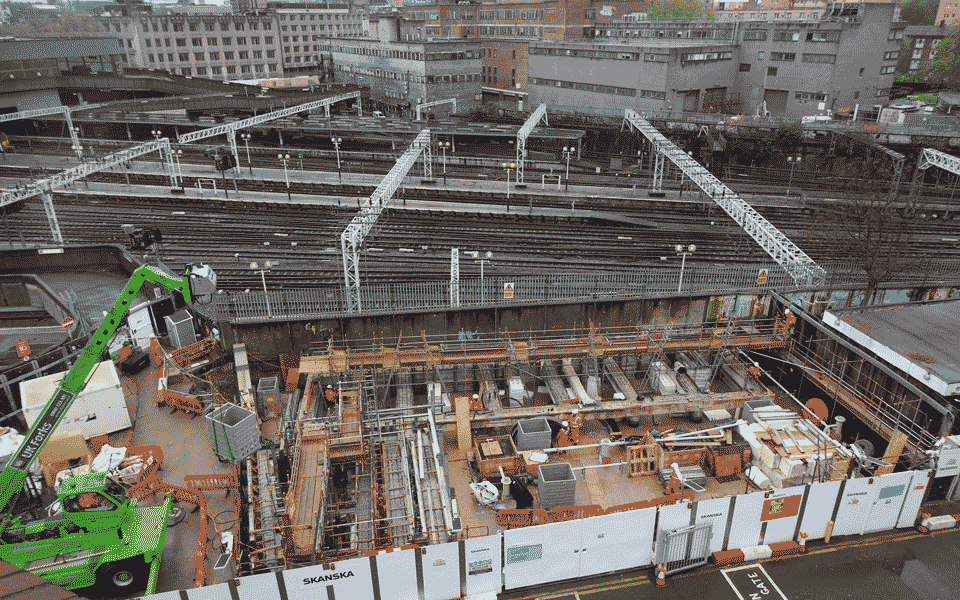
- Station platform access chambers
From trackside signalling and telecoms to power and station infrastructure, the focus remains the same:
Delivering modern infrastructure solutions that improve safety, installation efficiency, and long-term network resilience.
Get in touch to chat about your cable troughing project