Cable pulling: the site job everybody hates
And why better duct design matters


Anyone who has spent time around utilities, telecoms or civil infrastructure knows the truth: cable pulling is rarely anyone’s favourite part of the job.
It looks straightforward on paper... a cable goes in at one end, and comes out again at the other.
But on-site, cable pulling is often one of the most physically demanding, frustrating and unpredictable tasks in the installation process.
That’s why the design of the ducting system matters far more than people sometimes realise. And that’s why the engineering behind MULTIduct is so important.
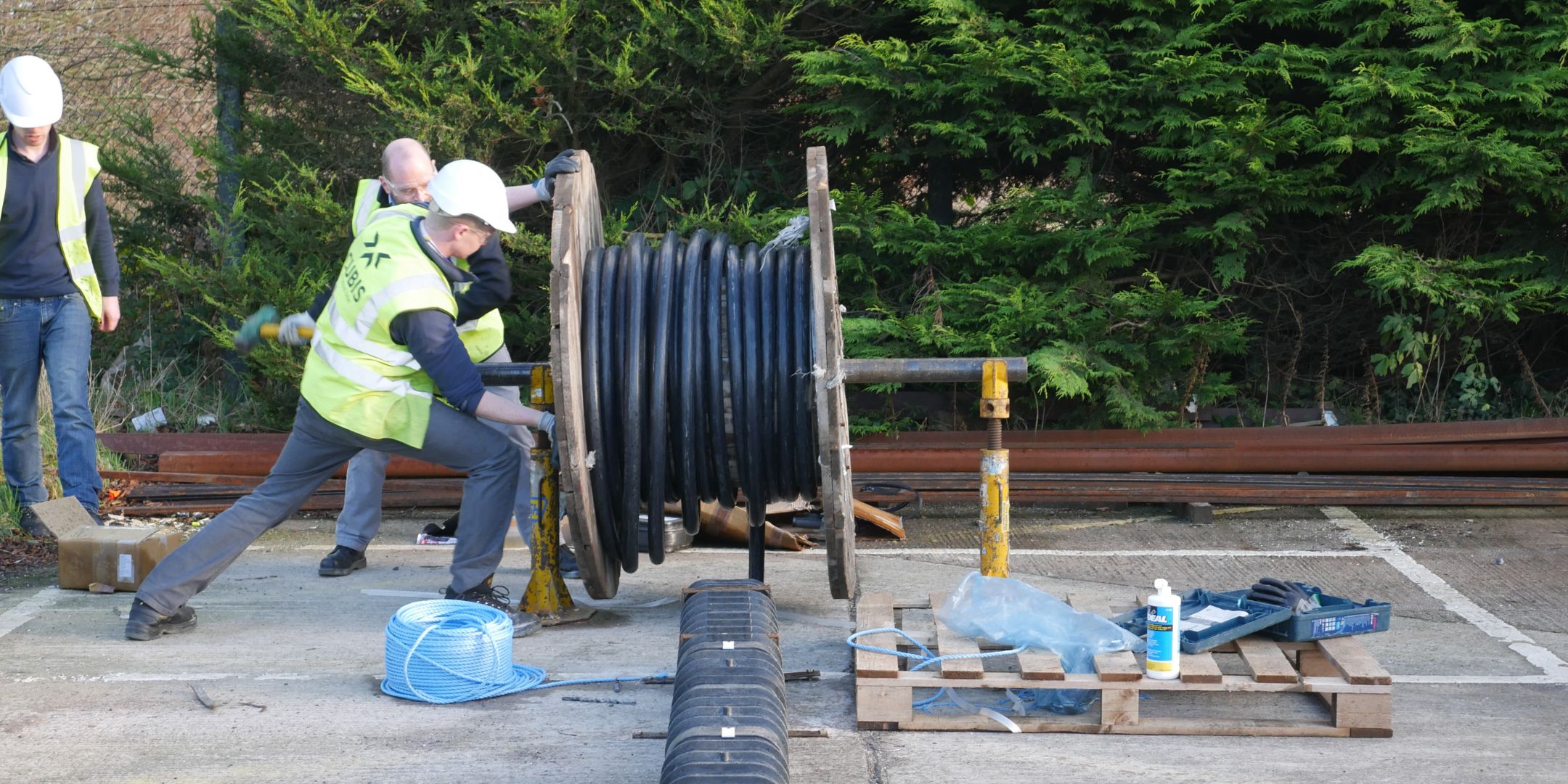
📸Pictured: Cubis Systems cable pulling friction test
Why cable pulling becomes difficult
Cable pulling is governed by basic mechanical realities.
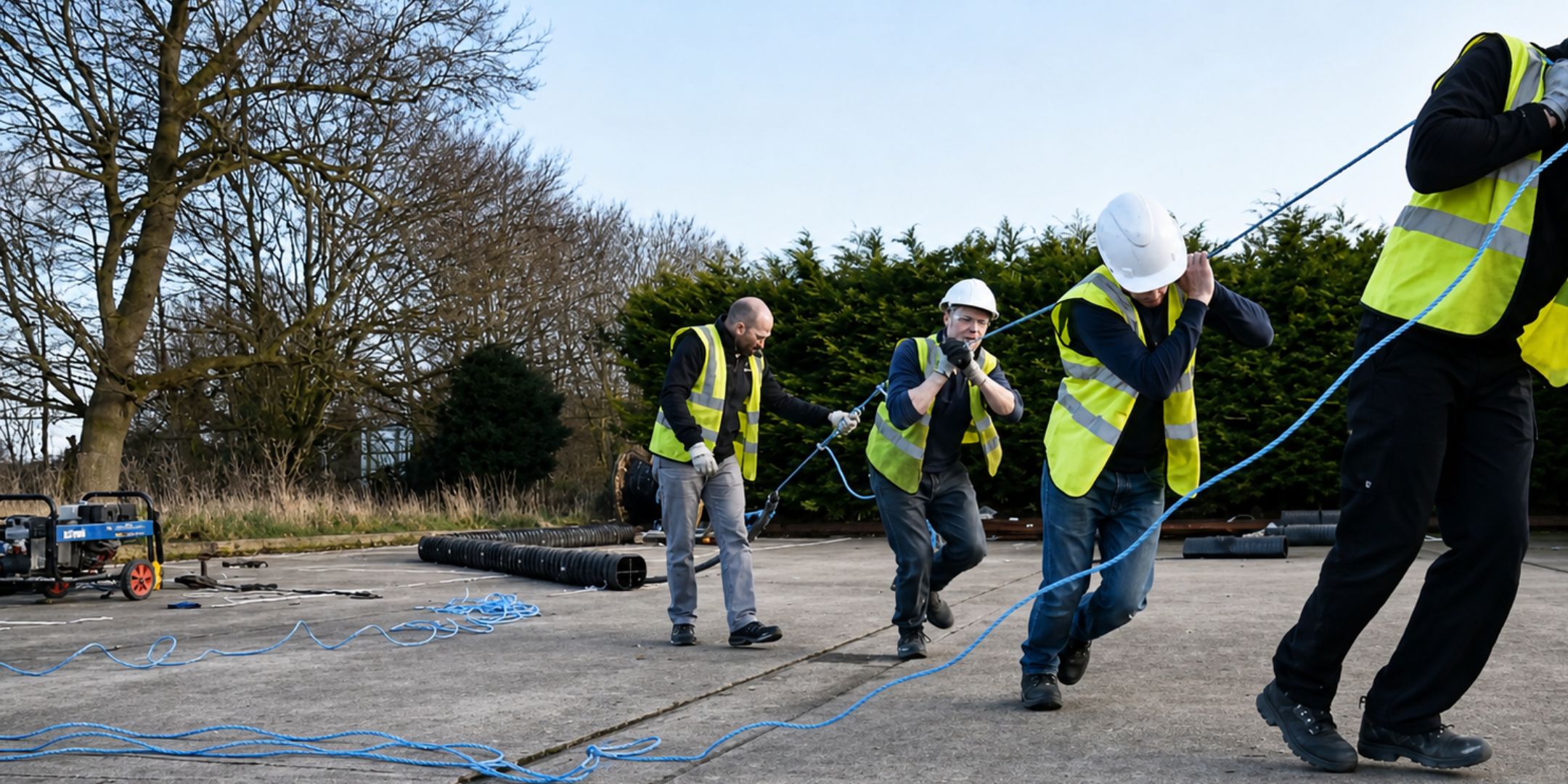
The longer the route, the greater the frictional contact between cable and duct. So, every additional metre of cable route creates resistance. Every bend introduces additional tension. And every increase in pulling force means more effort is required to get cables from A to B.
So, in site conditions that use traditional ducting, installation teams will typically face:
- More physical effort during pulling
- Less predictable installation performance
- Higher risk of delays on longer or more complex runs
- Greater sensitivity to route design and site conditions
- Increased reliance on lubrication
Ultimately, what should be a simple pull becomes a test of time, labour and patience.
Why duct design matters
Conversations on designing underground cable infrastructure will often focus on factors such as strength, protection, compliance, and service life.
Rightly so – all these factors are important. (And all are carefully considered with our MULTIduct solution.)
However, the core physical design of a duct is also essential. Duct design has a major influence on installation performance.
For example:
- How does the conduit reduce friction during cable pulling?
- What is its internal capacity for cable installation?
- Does its internal geometry create opportunities for snagging or resistance?
Put simply, the easiest cable pull often starts with better duct design. And that's one of the reasons MULTIduct was developed.
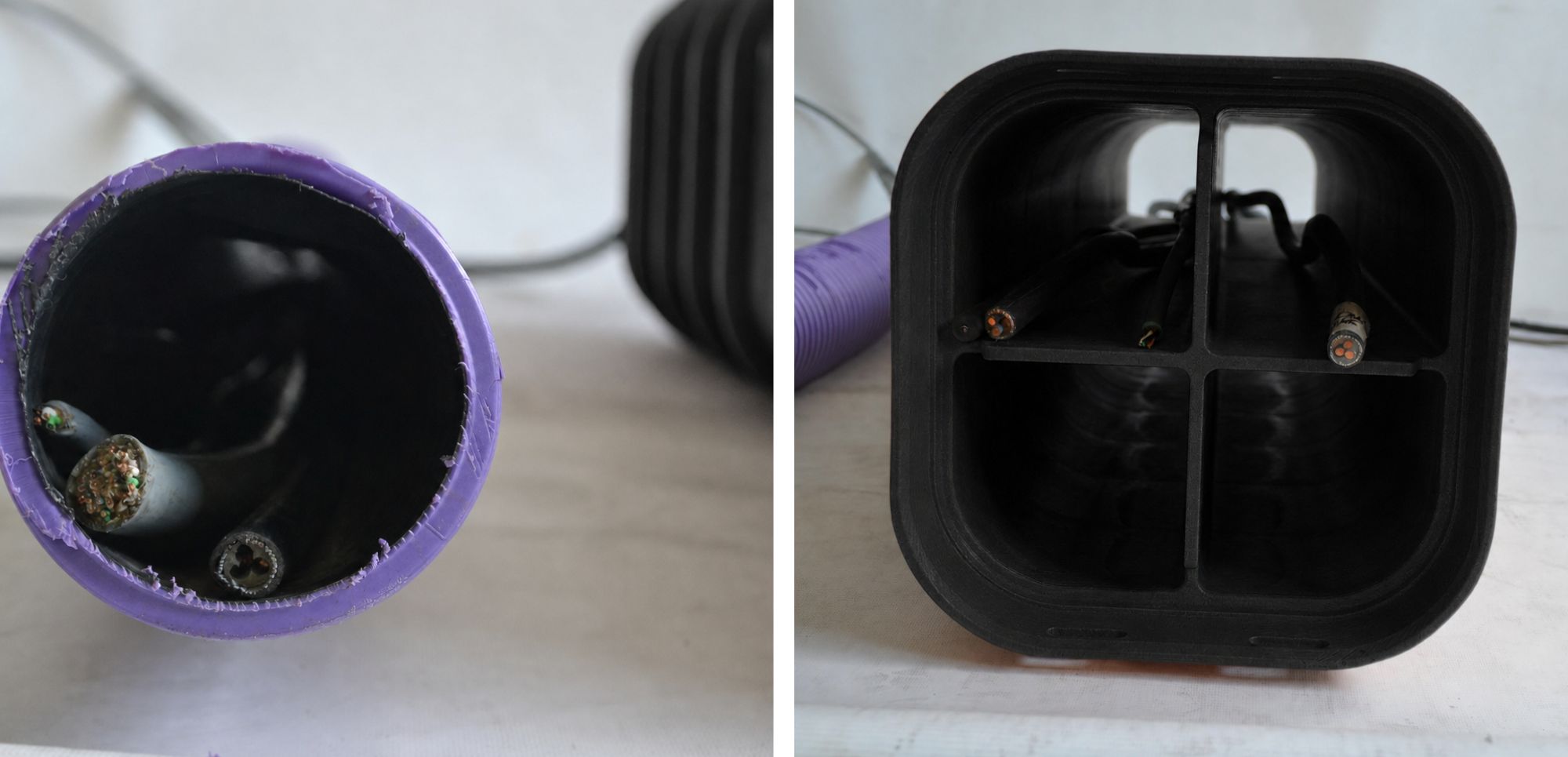
Traditional ducting vs MULTIduct
Compare traditional ducting to our squared MULTIduct.
This notable change in duct design has a powerful impact on installation efficiency:
- Reduces excavation with multiple ducts combined into one part
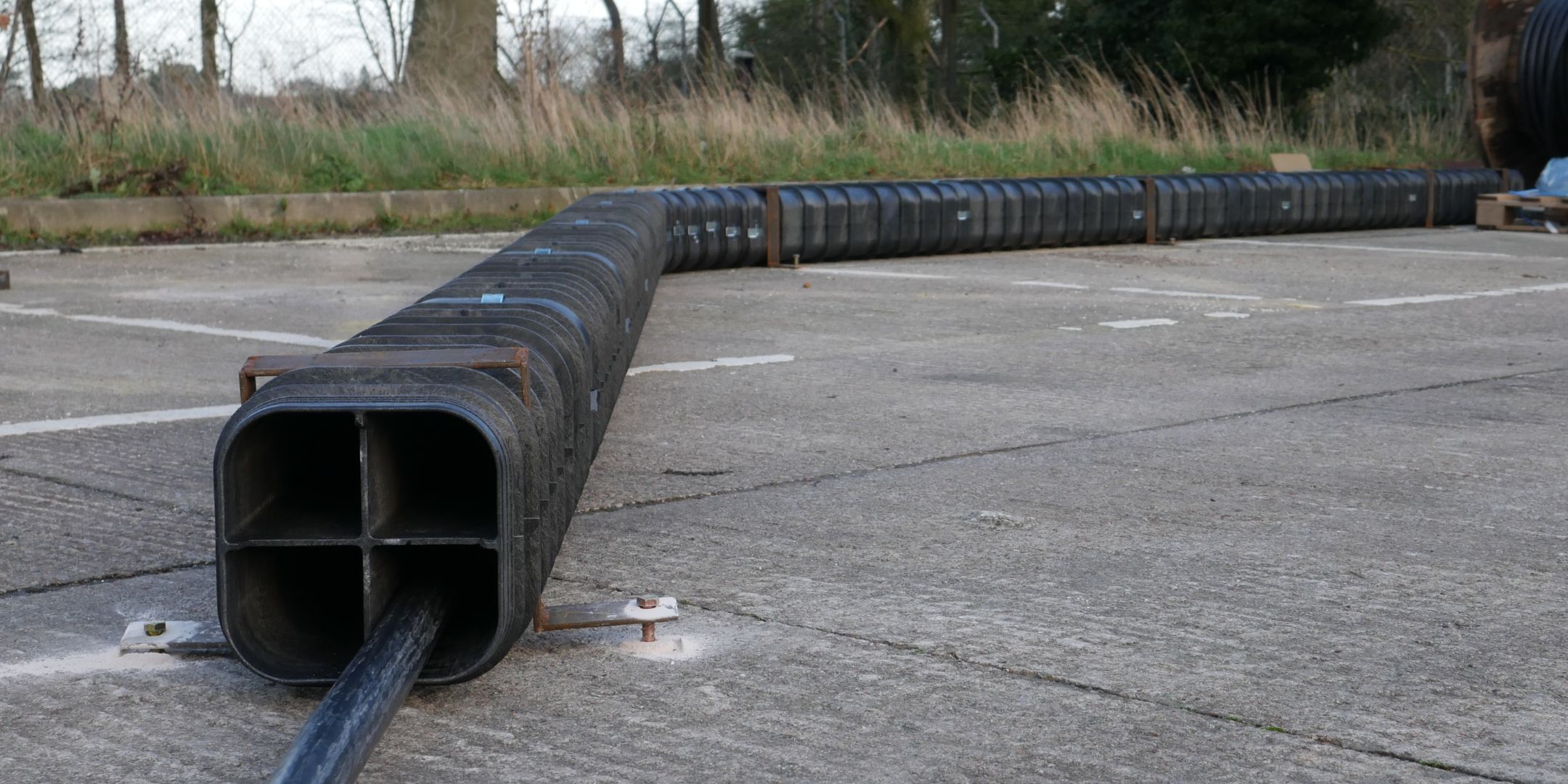
- Features a square duct space with smooth internal walls
- Reduces surface contact with cables during pulling and blowing
- Square shape means less of the cable is touching the duct, and therefore less drag
- Helps minimise friction along the cable route
- Eliminates sharp internal edges that could damage cables
- Increases usable capacity compared to traditional duct profiles
📸 Pictured: traditional ducting (L), MULTIduct modern alternative (R)
Reducing friction
The overall result is a significantly easier cable installation process for the teams on the ground – translating into time, cost, and carbon savings for the project owner.
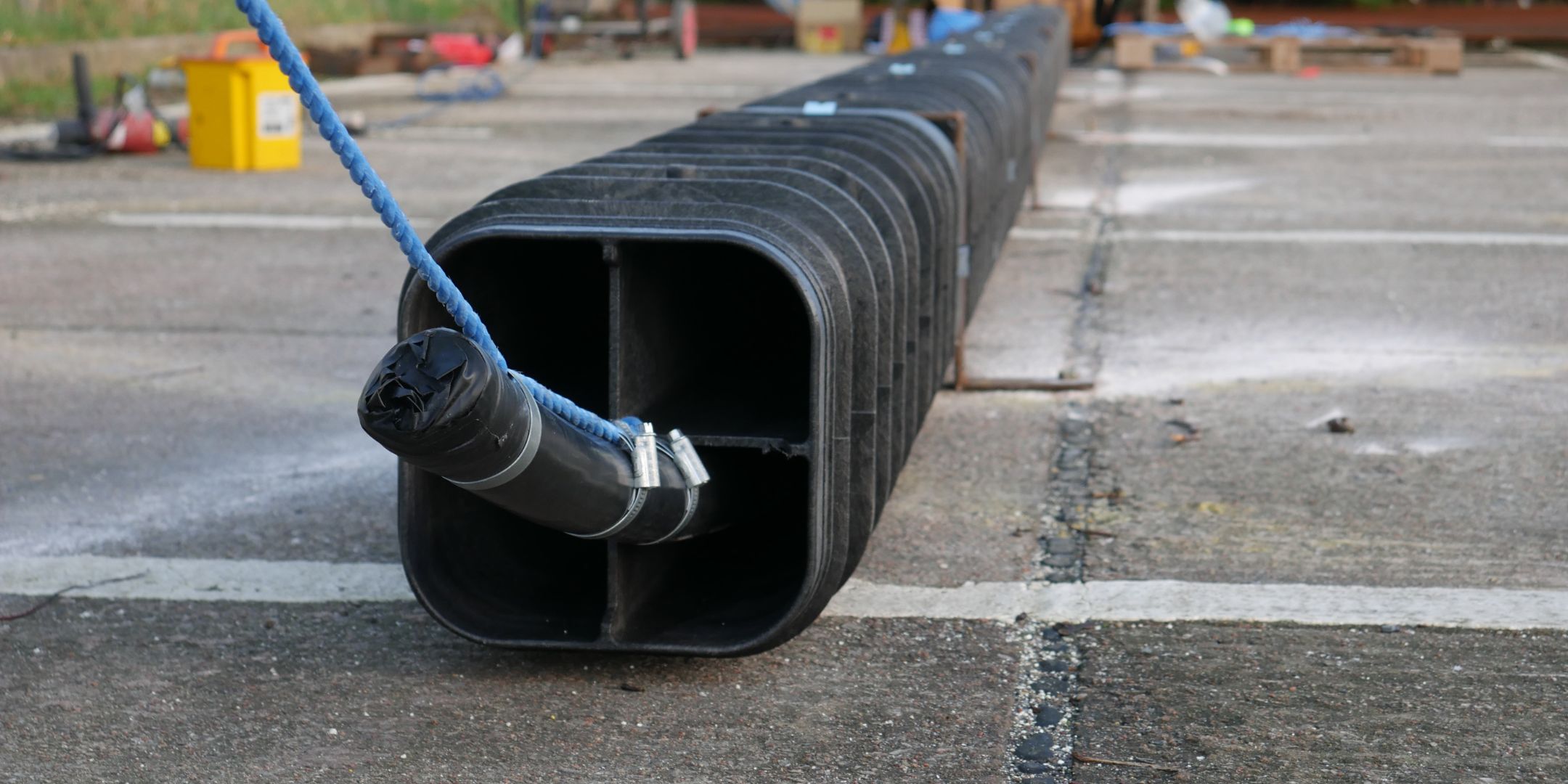
Putting MULTIduct to the test
Of course, engineering principles are only valuable if they deliver real-world benefits.
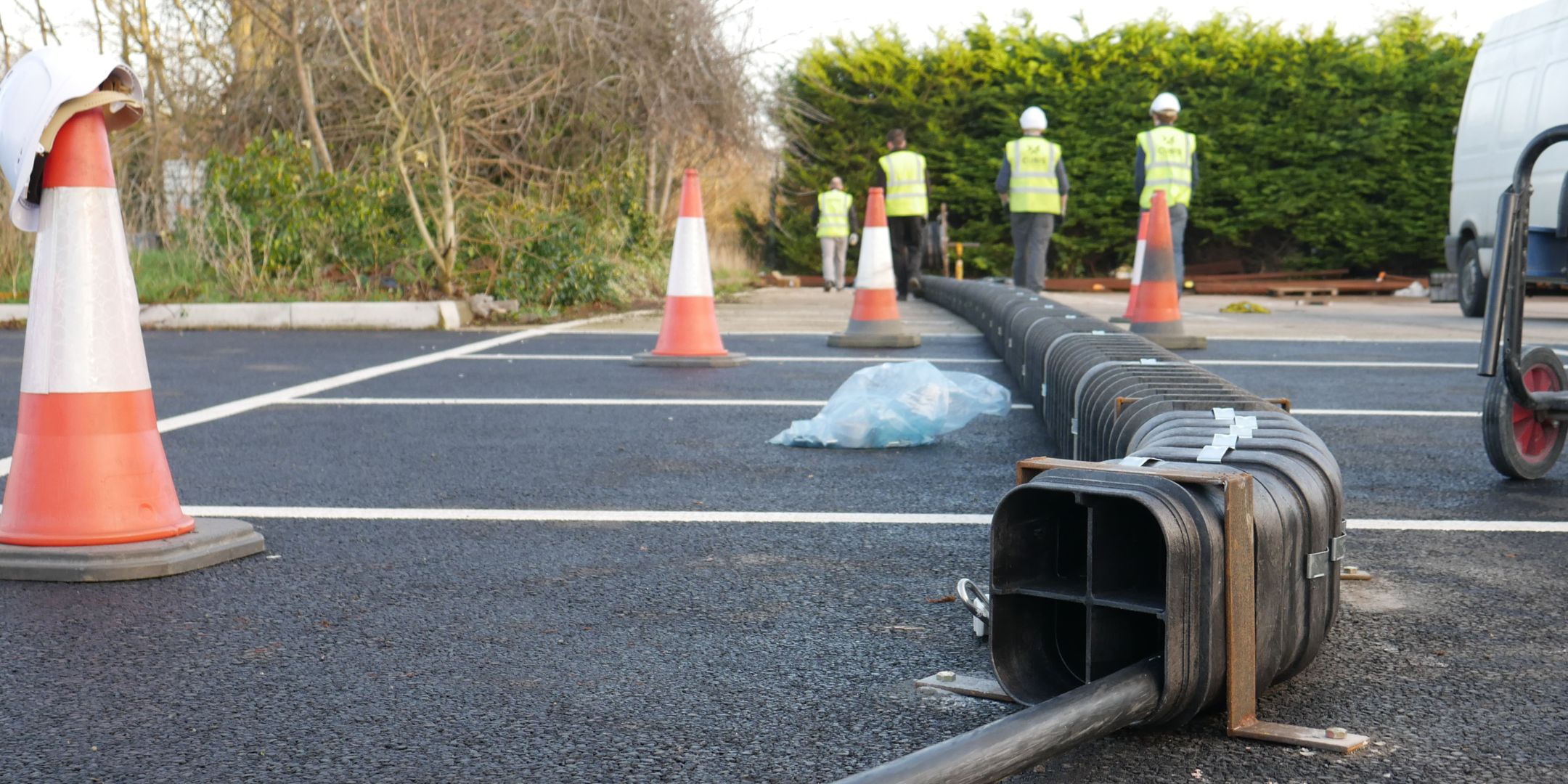
To better understand the factors affecting cable pulling performance, Cubis engineers carried out a series of controlled pulling tests using MULTIduct. We tested MULTIduct using 1.12 m sections assembled into longer duct runs. The programme covered:
- 10 m
- 20 m
- 30 m
Bends and lubrication were then introduced at selected points in the ducting in order to assess their effect on cable resistance and pulling effort. For customers, that creates a more useful and more credible picture of how the system behaves. You can see the results for yourself here.
A look at the numbers
The results were consistent with what experienced installers would expect, but importantly they put numbers behind that experience.
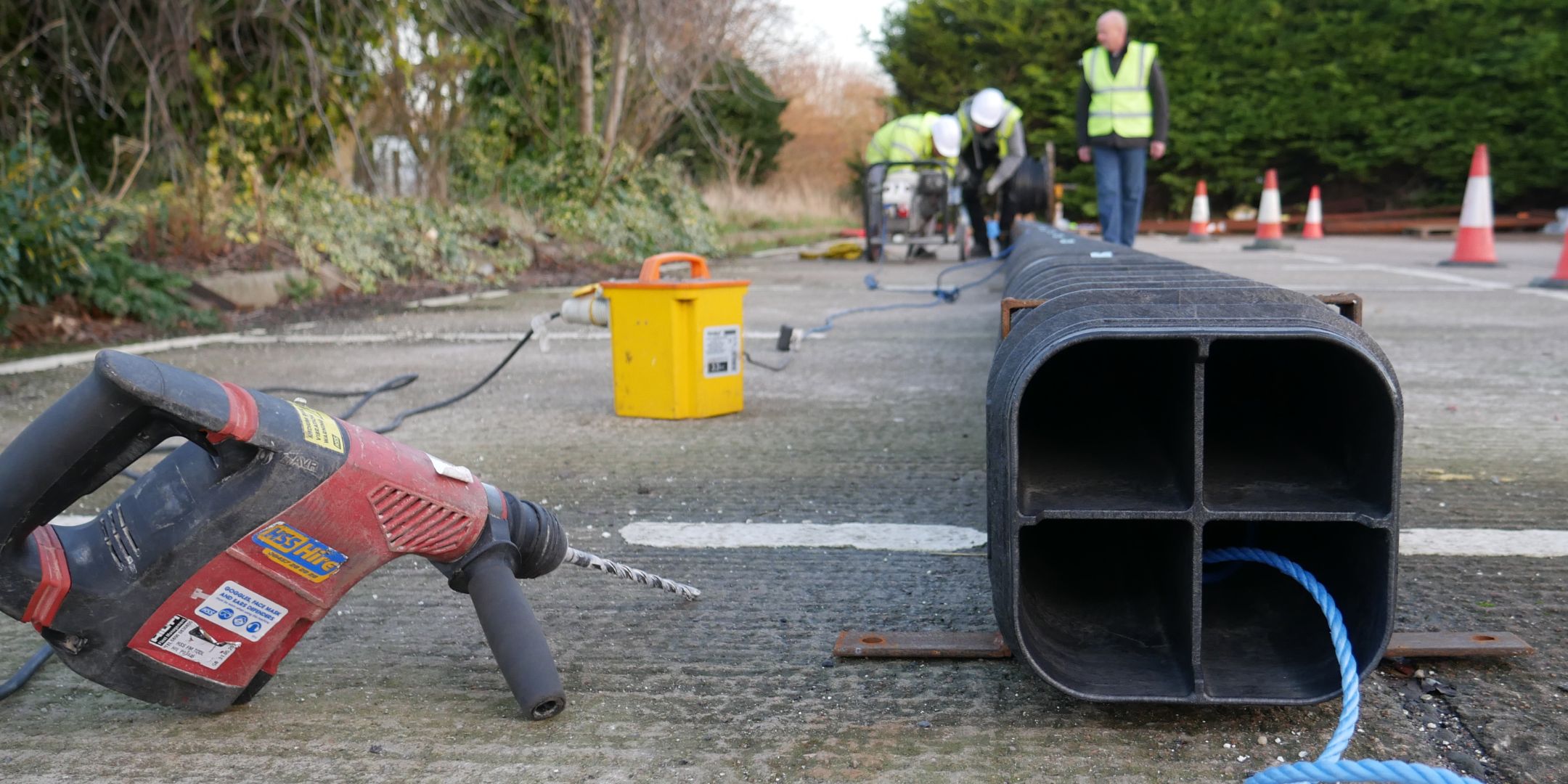
1. Pulling force increased with length under straight, unlubricated conditions
Recorded final force values were:
- 10 m straight, dry: 196.2 N
- 20 m straight, dry: 441.5 N
- 30 m straight, dry: 588.6 N
That gives a clear benchmark. As route length increases, so does resistance.
2. Bends increased the force required
Read More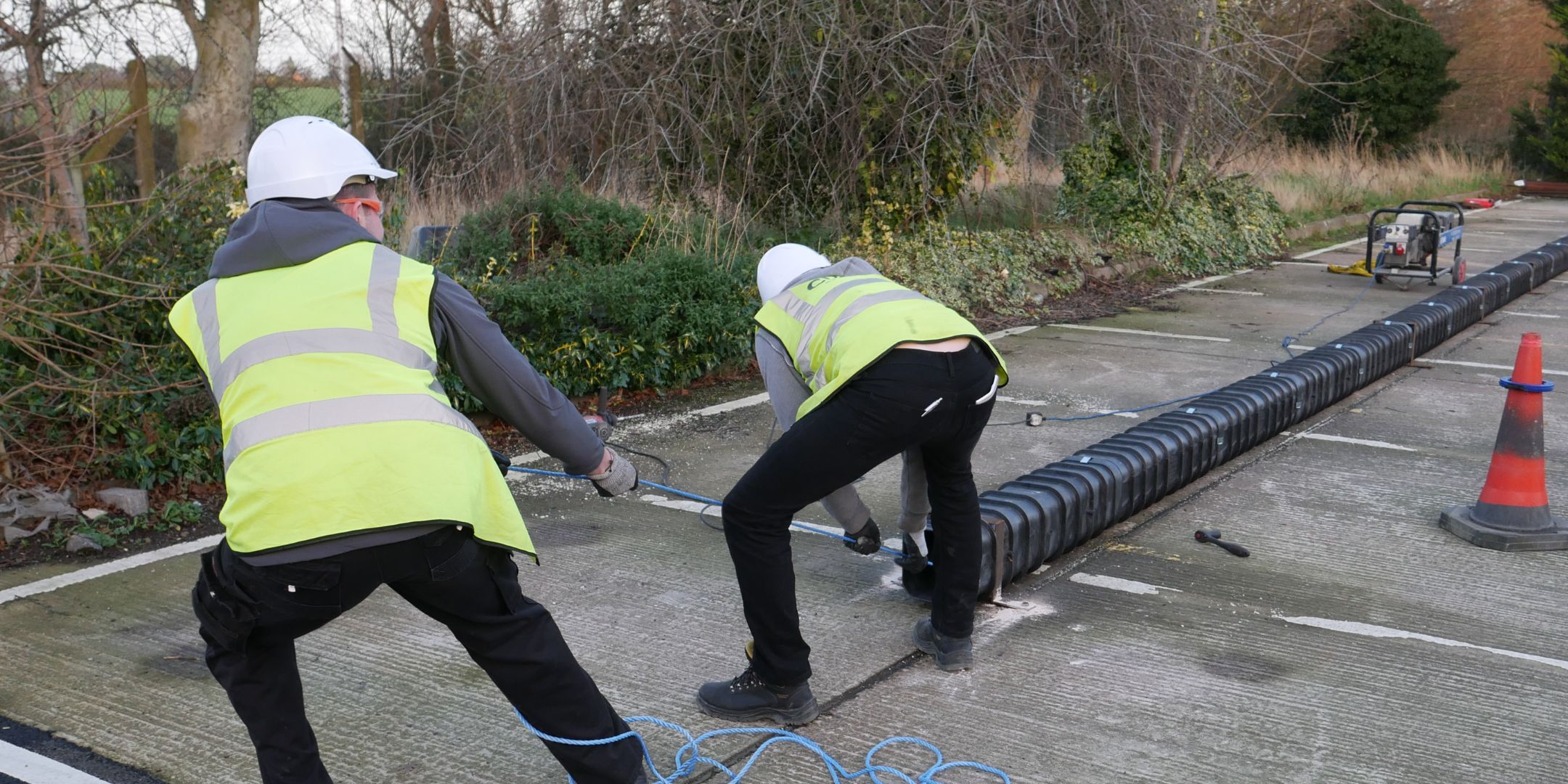
3. Lubrication reduced resistance
Read More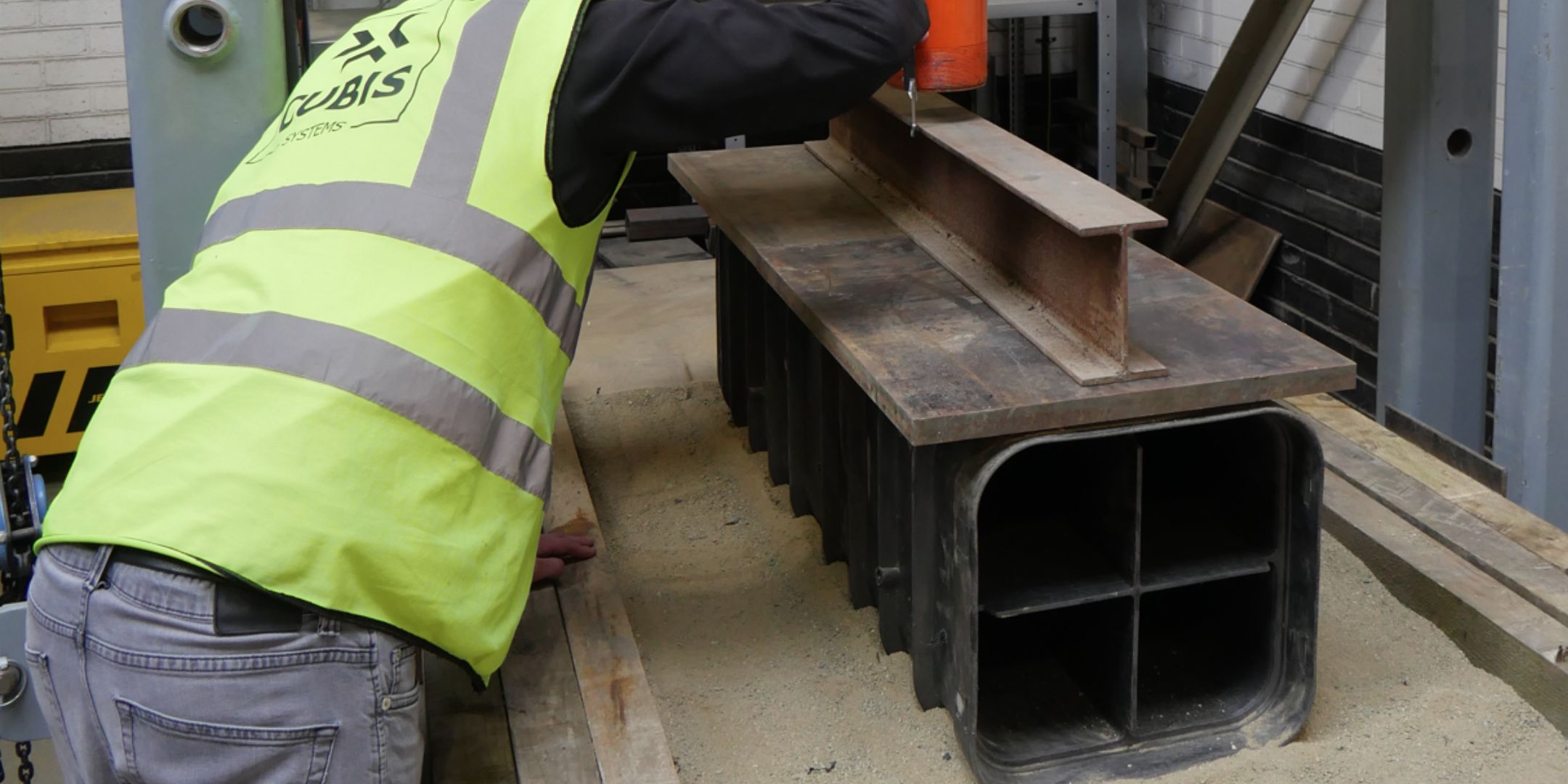
Why this matters commercially
From a customer perspective, the value of this kind of testing is not just in the numbers themselves. It is in what they say about our approach and commitment.
MULTIduct has been considered from every feasible testing point of view: including installation and cable pulling. Pulling effort has been examined through the lens of length, bend severity and lubrication. Product engineering has been approached in a practical, measurable way.
We know that our solution makes cable installation easier – and we have the results that demonstrate that in action.
📸 Pictured: MULTIduct undergoing additional vertical load testing
Learn more about our testing capabilitiesMinimising installation friction
Good duct design can help reduce cable pulling resistance and support a more efficient installation process.
MULTIduct provides a system that not only safeguards critical infrastructure once cables are in place, but also helps contractors during one of the most challenging stages of the installation process.
Cable pulling may never become anybody's favourite job on site, but the right duct system can make it considerably easier.
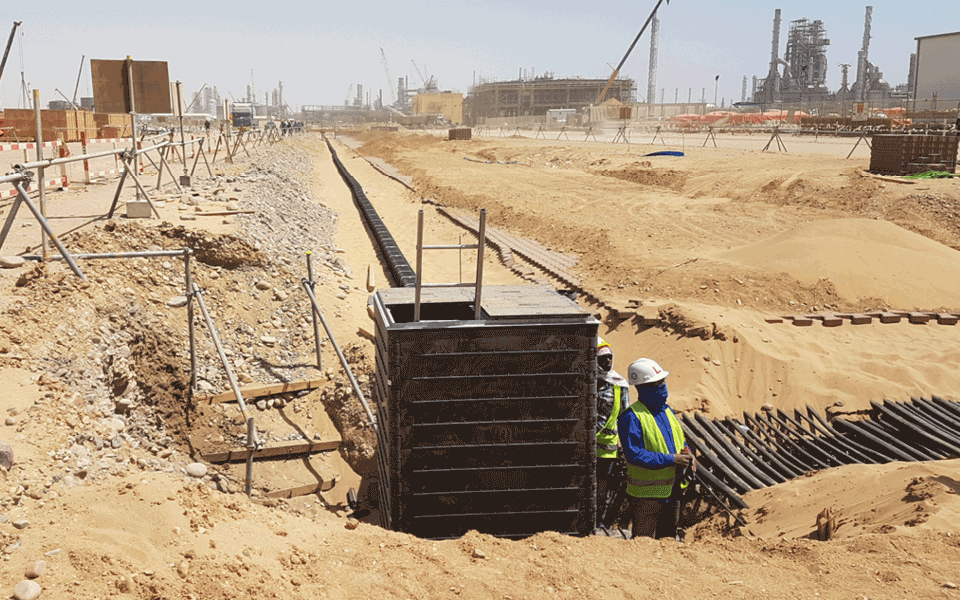
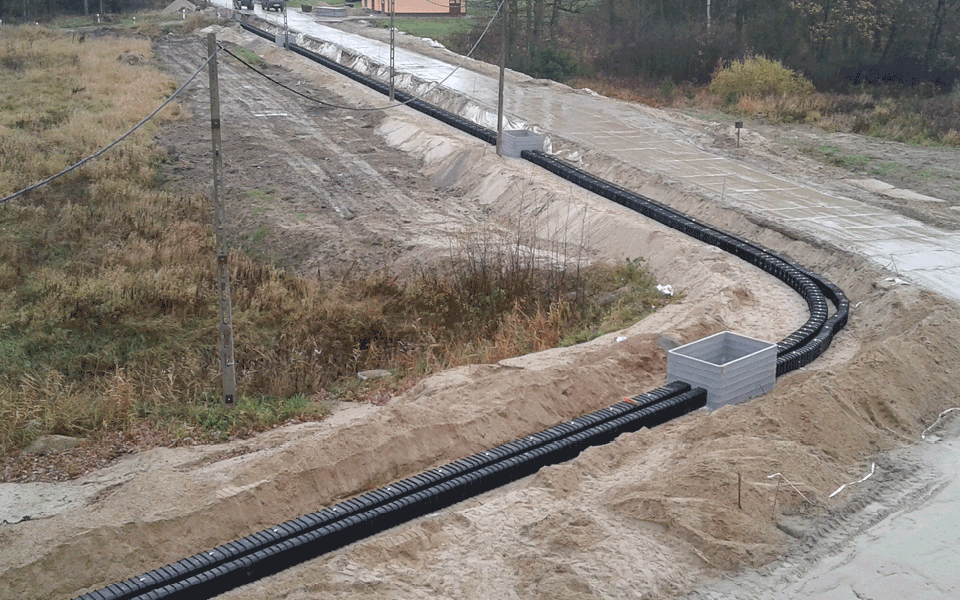
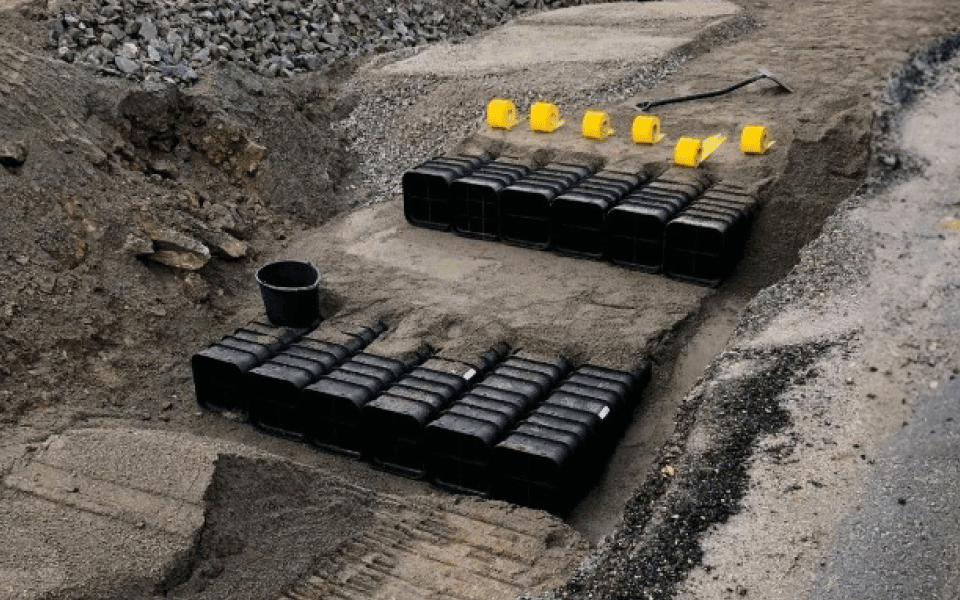
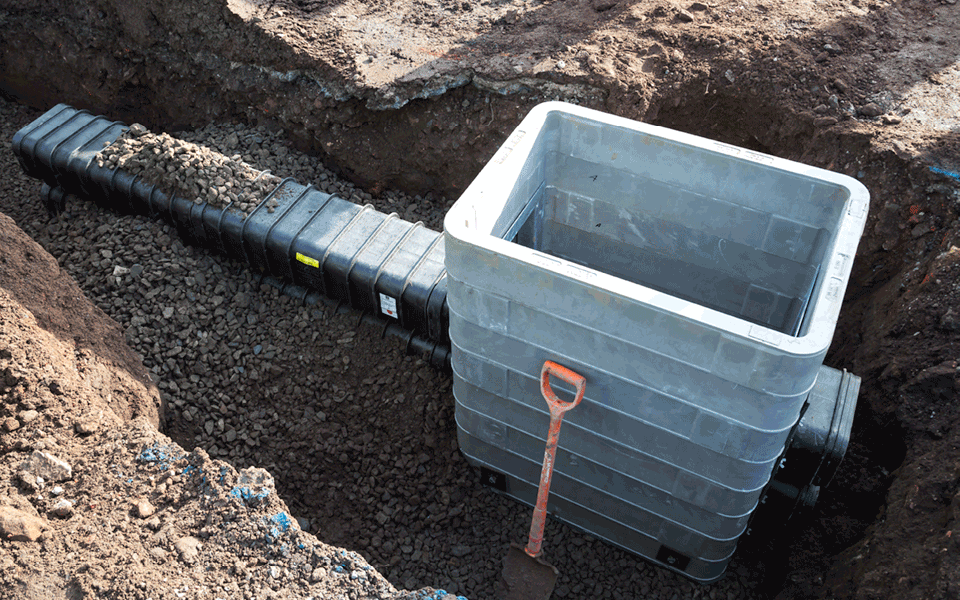
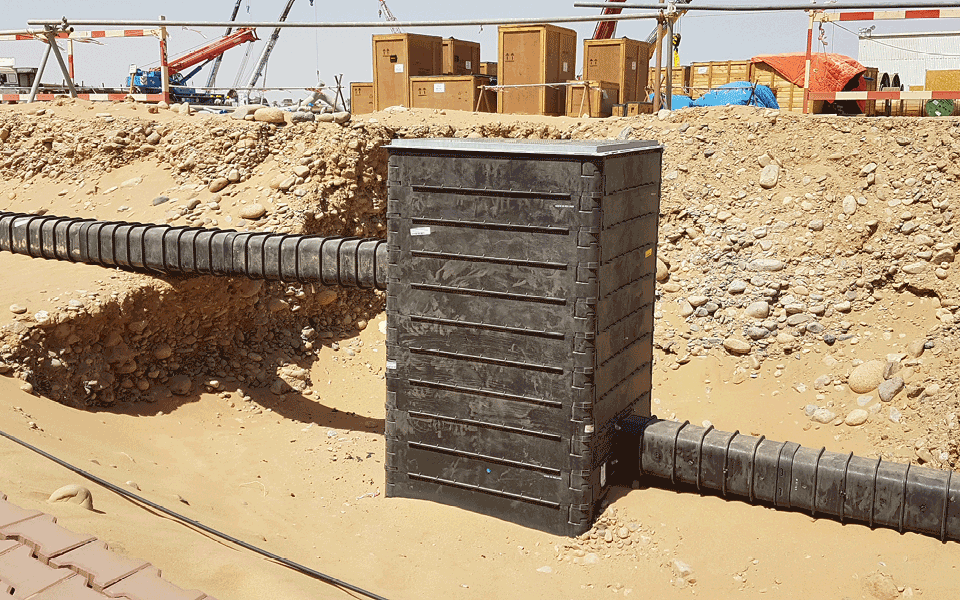
📸 Pictured: MULTIduct installed in projects around the world
Learn more about MULTIduct
MULTIduct is a lightweight, high-strength cable protection system designed to help contractors install and protect underground cable routes more efficiently.
To learn more about MULTIduct and its installation benefits, contact the Cubis team below: