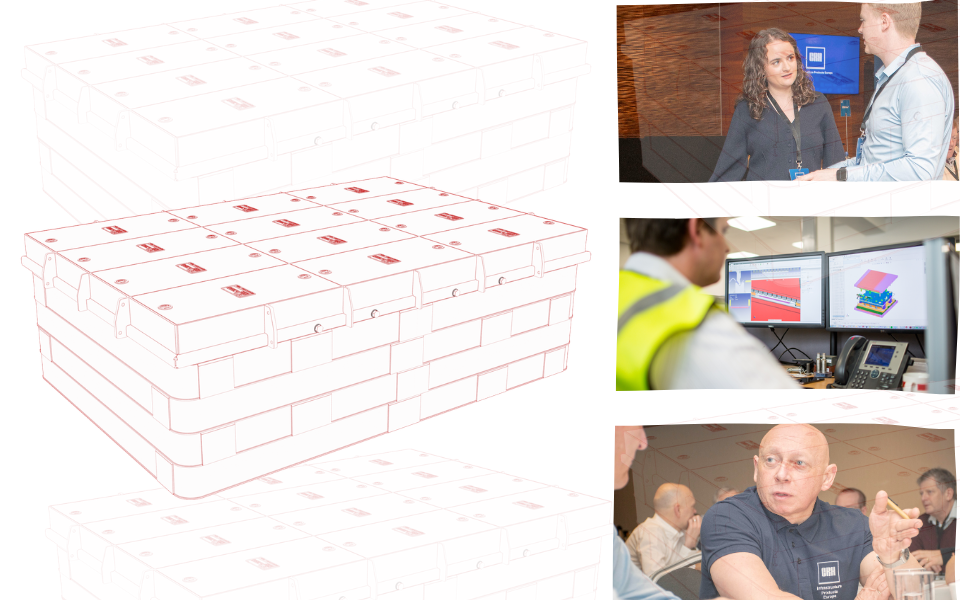
What does it take to rethink a D400 cover?
Inside a new product launch


D400 access covers have remained largely unchanged for decades. Heavy-duty cover performance has traditionally meant heavy installation – with lifting plant, restricted access, and time-consuming installation built into the process.
But what happens when you challenge that assumption?
The development of the new Cubis Systems D400 composite cover range set out to do exactly that. We’ve separated load performance from installation weight, while improving access, safety, and adaptability on site.
To understand how this came together, we gathered three key internal perspectives on the development process. In this behind-the-scenes product launch interview, you’ll meet our Head of Innovation, Product Designer, and Head of Sales.
Each brought a different lens to the same challenge:
How do you shape a new approach to heavy-duty access?
Explore the productMeet James Gallagher, our Head of Innovation
First, we spoke to James to find out how the R&D process shaped the new D400 composite cover. How did we ideate something people would want to install?
Q: What was the challenge with existing D400 cover designs from a usability perspective?
Traditional D400 covers are designed primarily around load performance. However, this has traditionally meant that usability is a secondary factor.
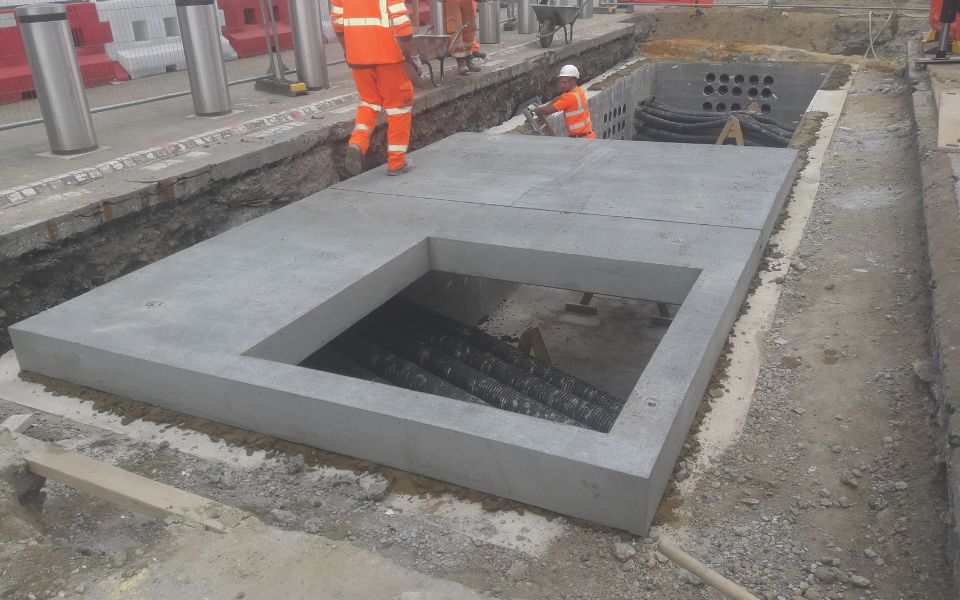
If we look at typical D400 load-bearing covers, they’ll use ductile iron or concrete slabs. While suitable for certain applications, these options can also prove time-consuming to install due to weight.
Existing D400 cover designs also present challenges due to limited clear opening sizes. Getting easy access to underground utilities is a typical issue.
From a site perspective, these challenges can introduce risk, slow installation, and limit ongoing maintenance options.
So, we wanted to address those practical challenges without compromising strength.
[📷 Pictured: A concrete cover slab deployed for an airport]
Q: How does the new composite cover system address these usability challenges?
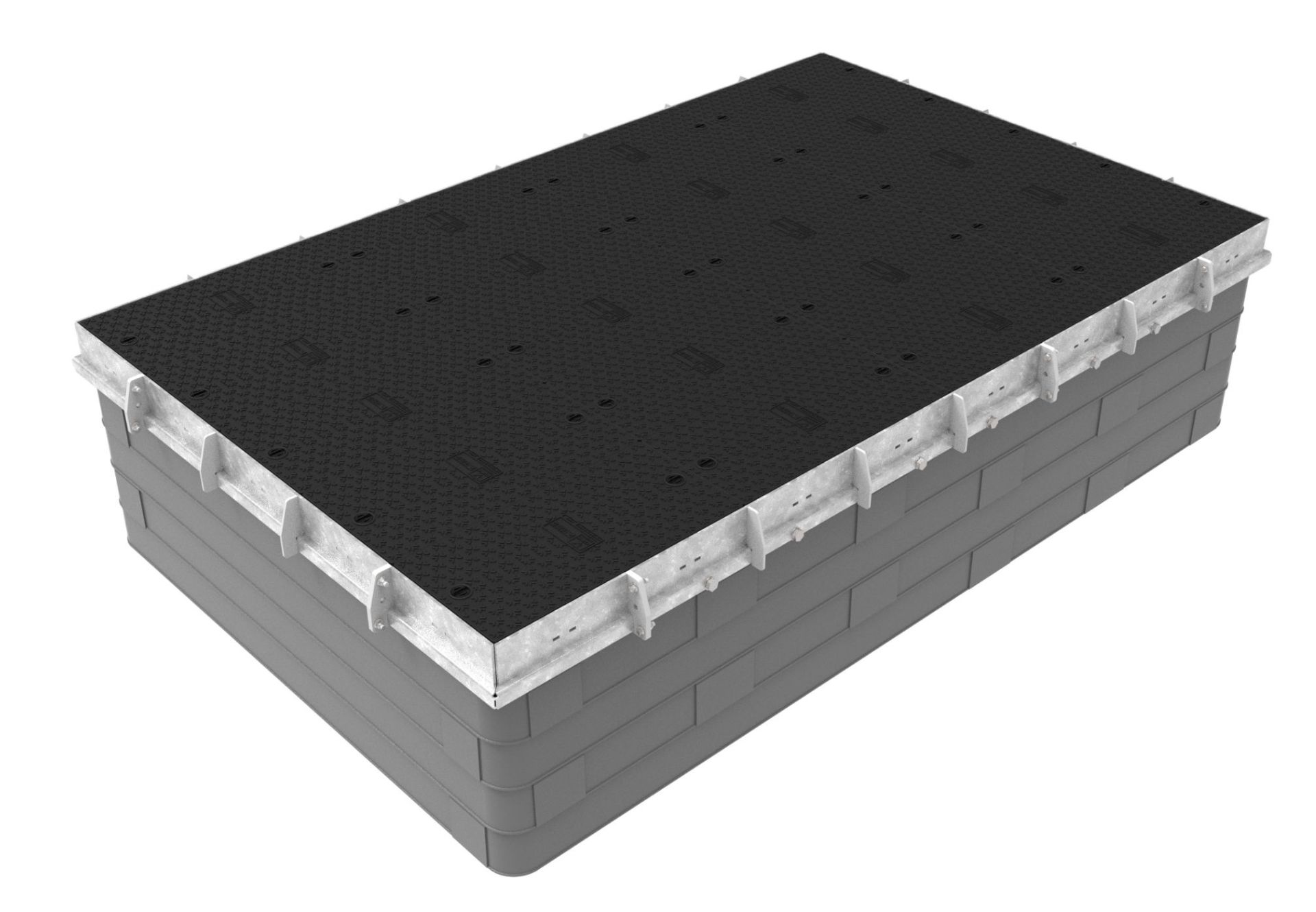
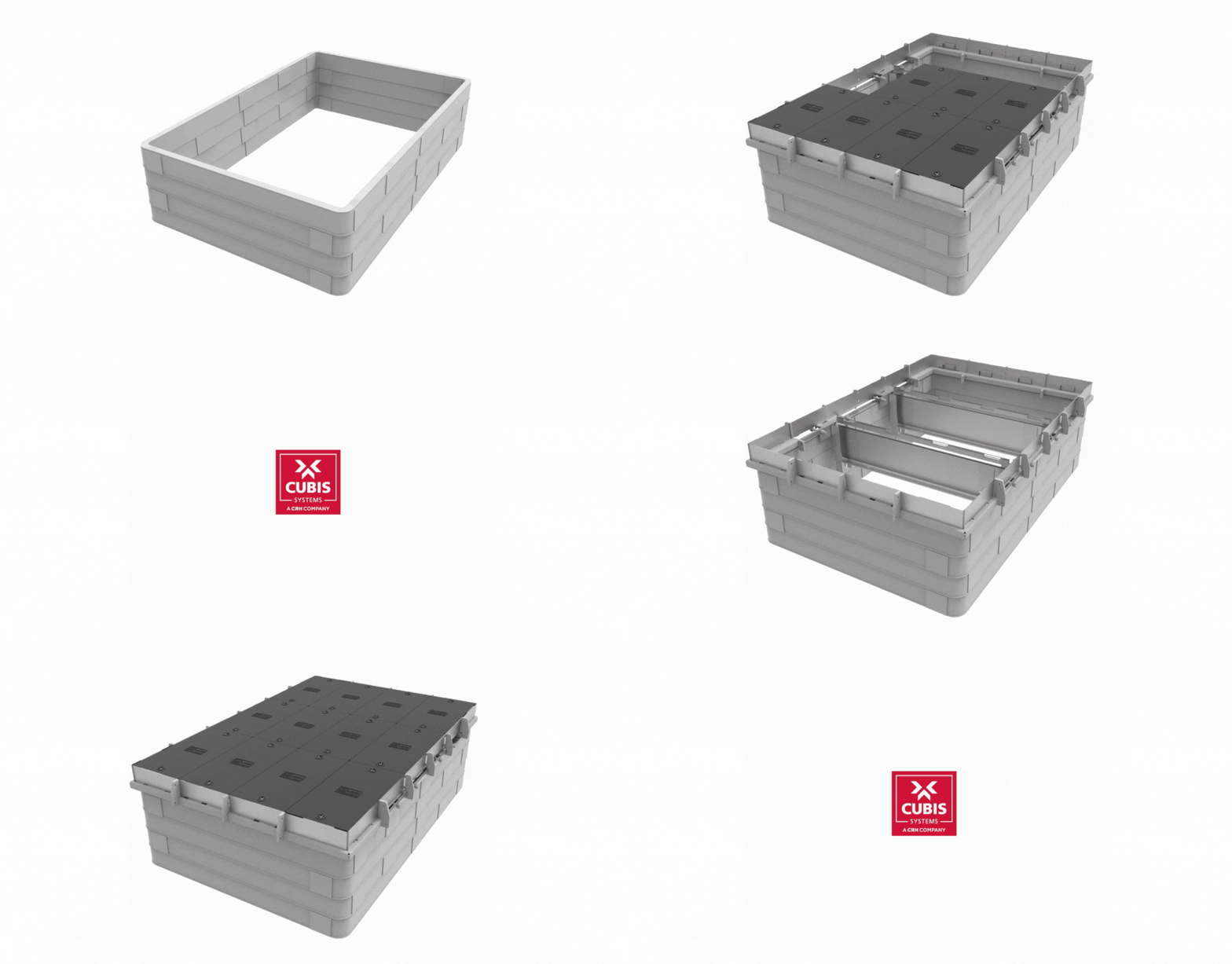
We’ve created a modular, multispan design that offers full access.
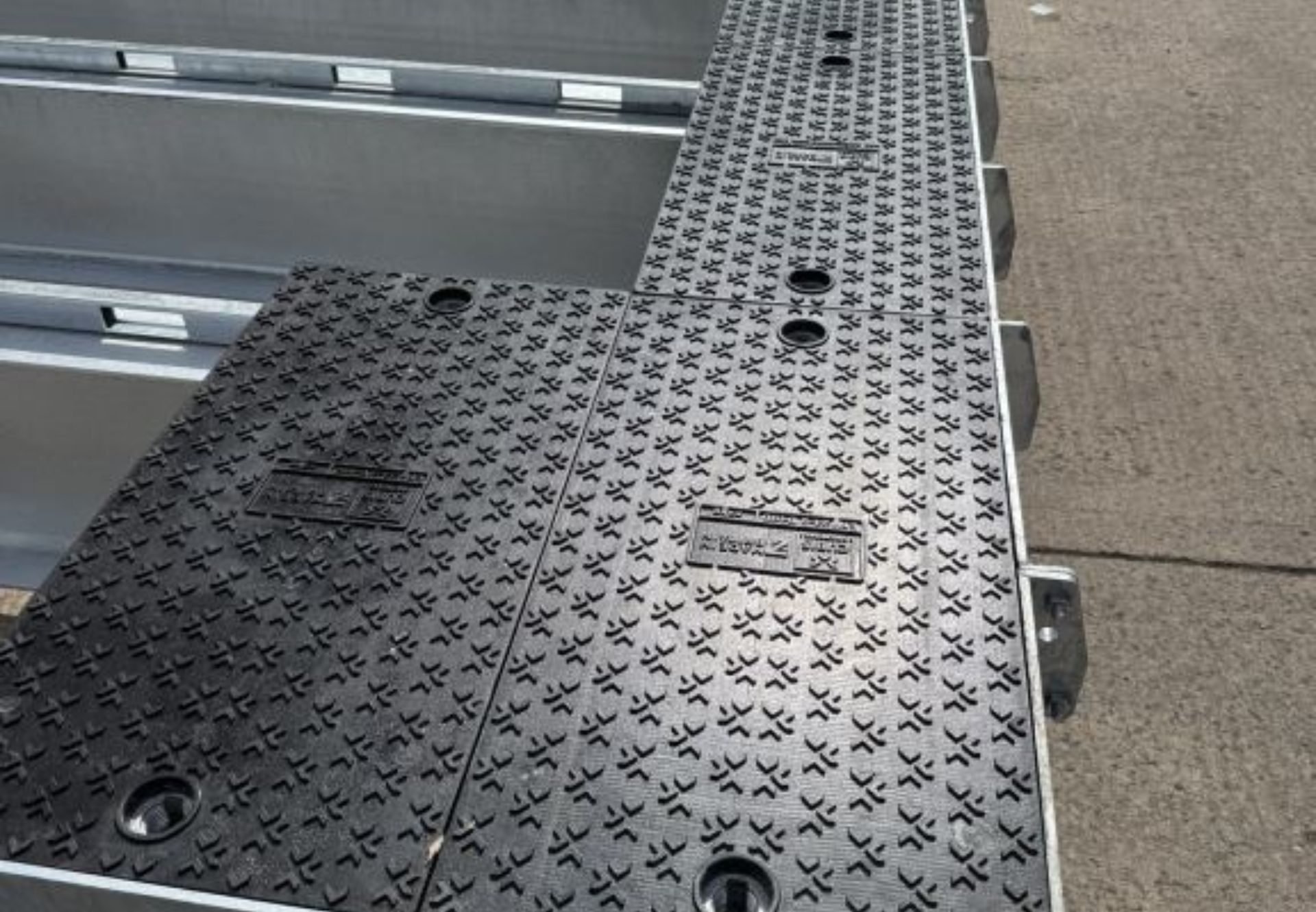
Our design offers D400 strength within a compact, lightweight cover that doesn't need to be hinged or gas-assisted to lift. The cover sits within a fabricated steel frame built up of modular components.
Both the cover and these system components are easily removable to maximise working areas for installation and maintenance teams. So, we’ve tackled two of the biggest usability issues with traditional covers – weight and access – before touching on some of the other key benefits of modularity.
[📷 Pictured: The new D400 composite cover system from Cubis Systems]
Q: Why was modularity such a big focus, then?
Installation benefits aside, the main upshots of modularity are the efficiency and sustainability it affords. Firstly, modular design means that we can manufacture and stock the components here in Britain. This localised production enables us to offer ready availability and rapid lead times to our customers.
From a sustainability angle, there are also enormous advantages to a localised supply chain. Our composite D400 cover system isn’t having to travel over sea at enormous weights. Components are manufactured in the UK, they can be conveniently flat-packed to minimise transport needs, and they haven’t had to rack up thousands of nautical miles to reach site.
If you compare to concrete cover slabs, for example, you’re looking at a minimum of 6 weeks’ lead time when you factor in designing, pouring, and curing. There are also the obvious carbon implications of shipping (and subsequently lifting and manoeuvring) heavier concrete slabs.
Or, if you look at ductile iron options, they will be sourced from other countries. (Often foundries in Asia.) This, in turn, means long lead times which are likely to increase with the current geopolitical climate.
Again, you’ve also got to consider the carbon footprint of transporting these heavy ductile iron systems across the sea and getting them to – and manoeuvring them around – customer sites.
By introducing a modular approach, we created a system that offers rapid lead times and reduced carbon impacts – while also delivering significant installation advantages on the ground.
Q: How did you approach handling, lifting, and interaction with the product?
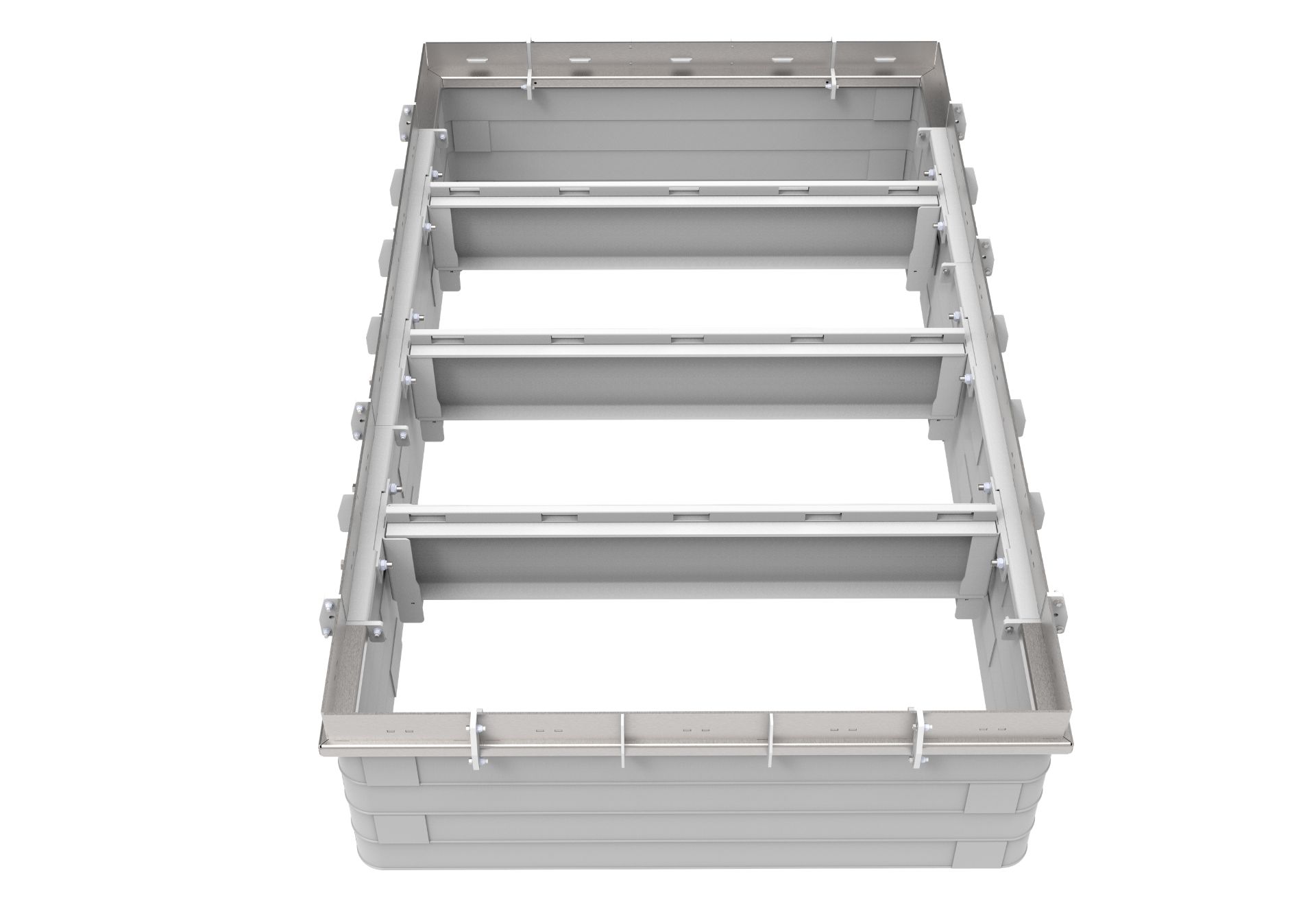
We started by looking at how installers physically interact with the system. Reducing individual component weight was key, but we also focused on how the system assembles, how covers are lifted, and how access is maintained during installation and maintenance.
The floating beam design was a major step forward here. It allows beams to be removed independently of the chamber, maximising clear opening space below ground. The combined lifting and locking aid is also a key practical advantage for on-site teams.
Combined with the lightweight covers and modular frame, we’ve created a full system solution that’s easy to install, access, and maintain.
Read the launch story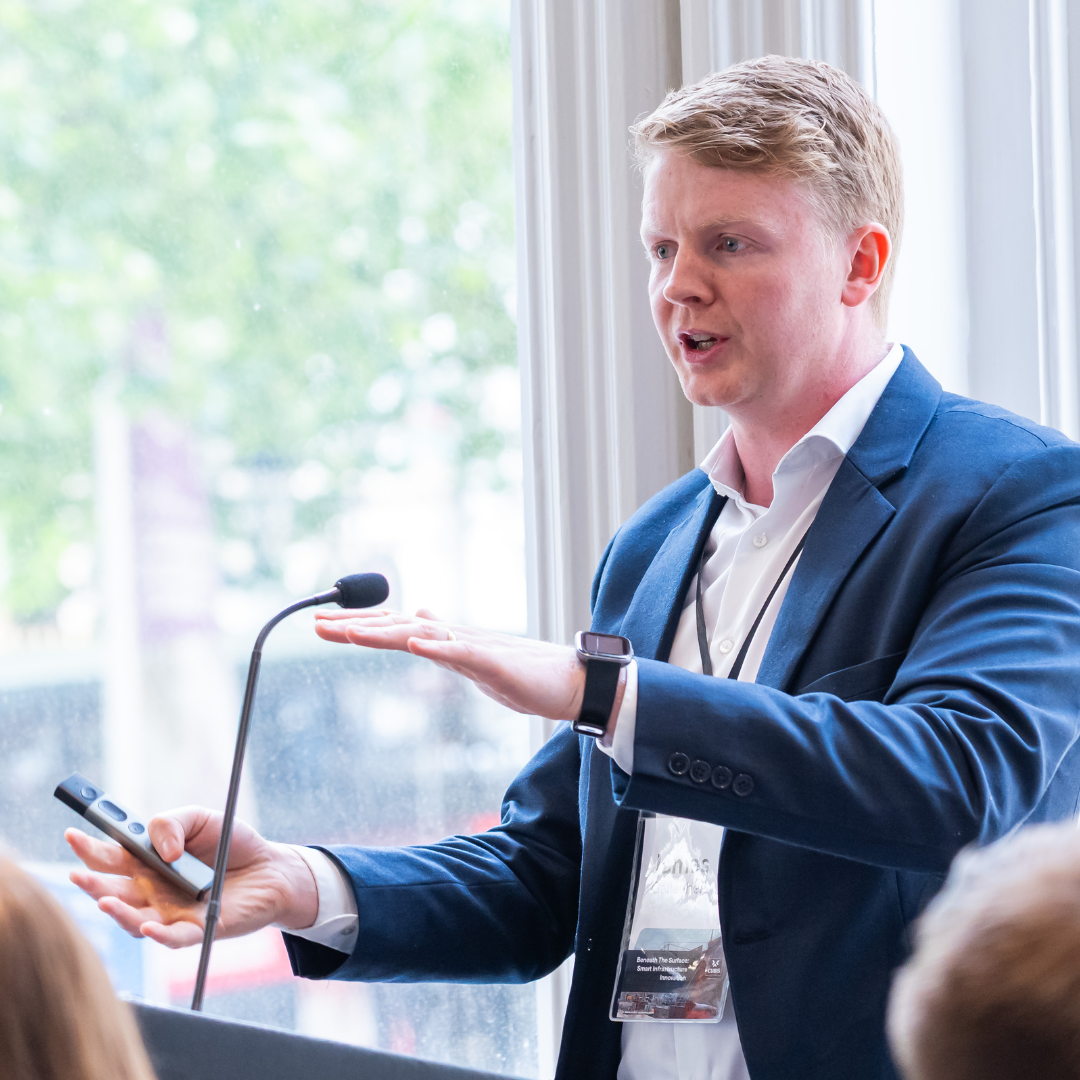
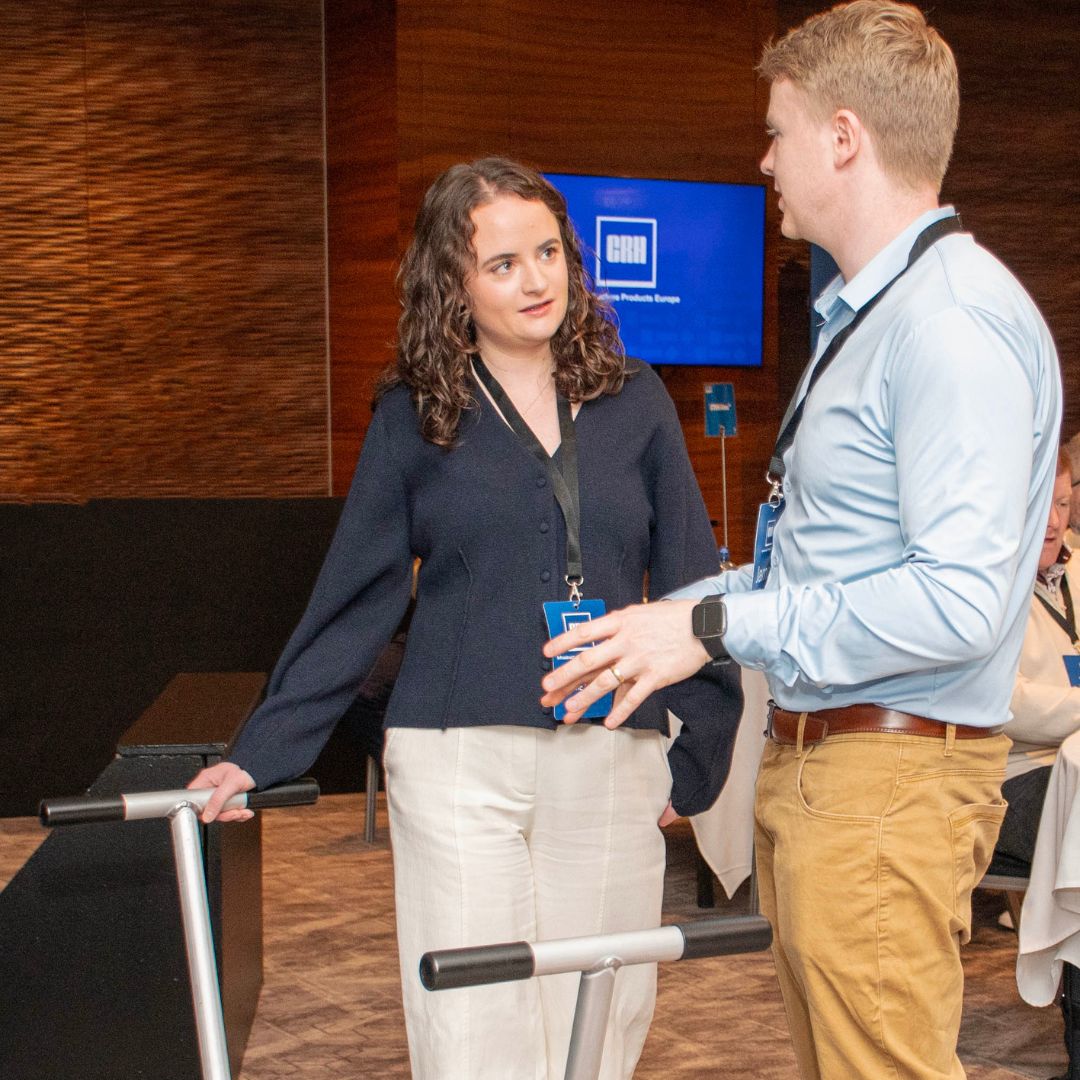
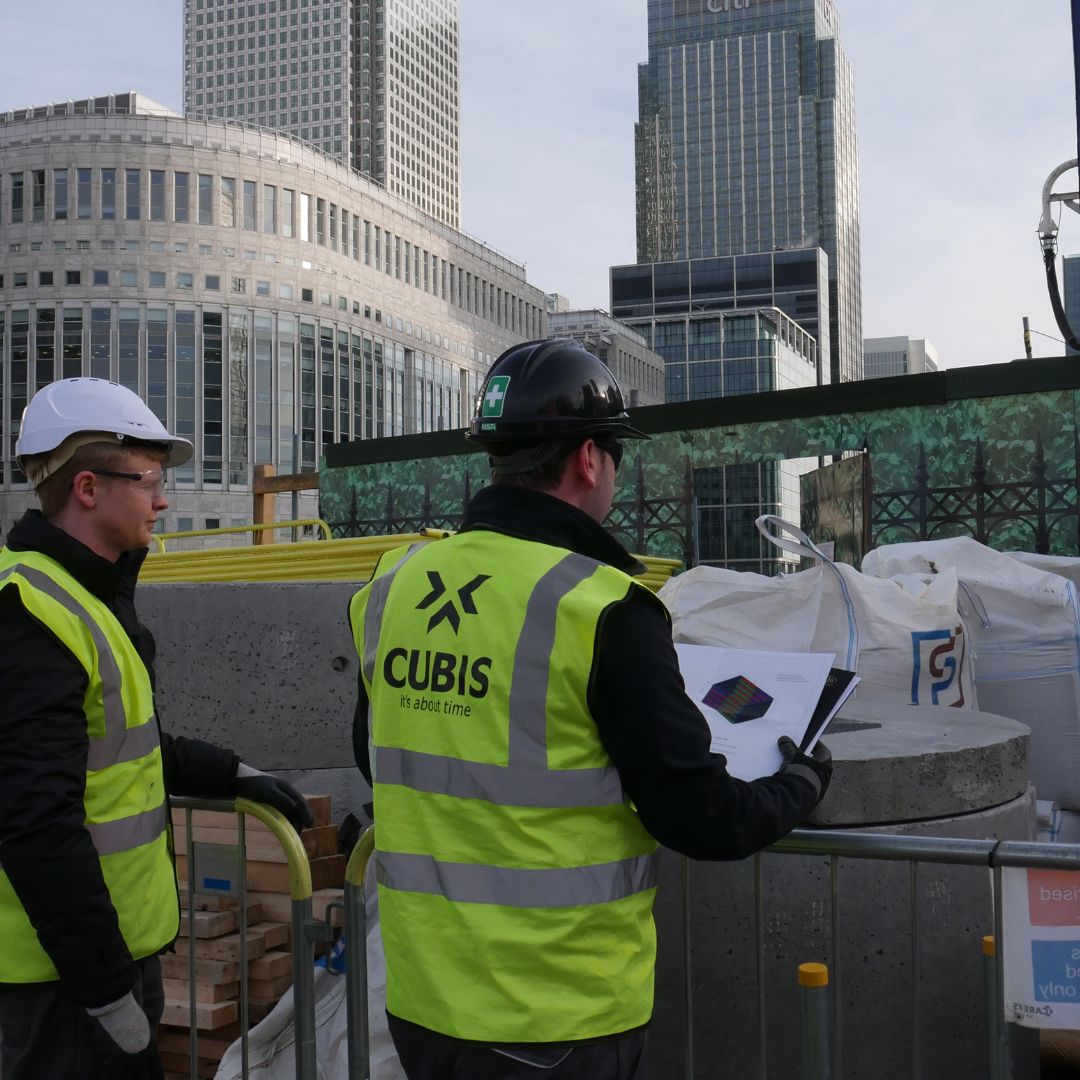
[📷 Pictured: James Gallagher]
Meet our Product Designer
Next, for a practical production insight, we spoke to an employee who works in product design. How did our team address the design challenges of reducing weight without compromising D400 performance?
Q: What technical barriers had to be overcome to achieve 24kg at D400?
D400 loading requirements are demanding, and traditional materials rely on mass to achieve strength.
The first question we had to consider when designing a new D400 cover system was whether we were going to go with ductile or composite. Our core R&D focus was on how we could best make the solution both lightweight and easy to install.
These considerations were key to us going for a GRP option. This was ultimately the only material that could allow us to achieve our design goals.
The key challenge was then balancing structural performance with this GRP weight reduction – which we achieved with our modular, multispan design.
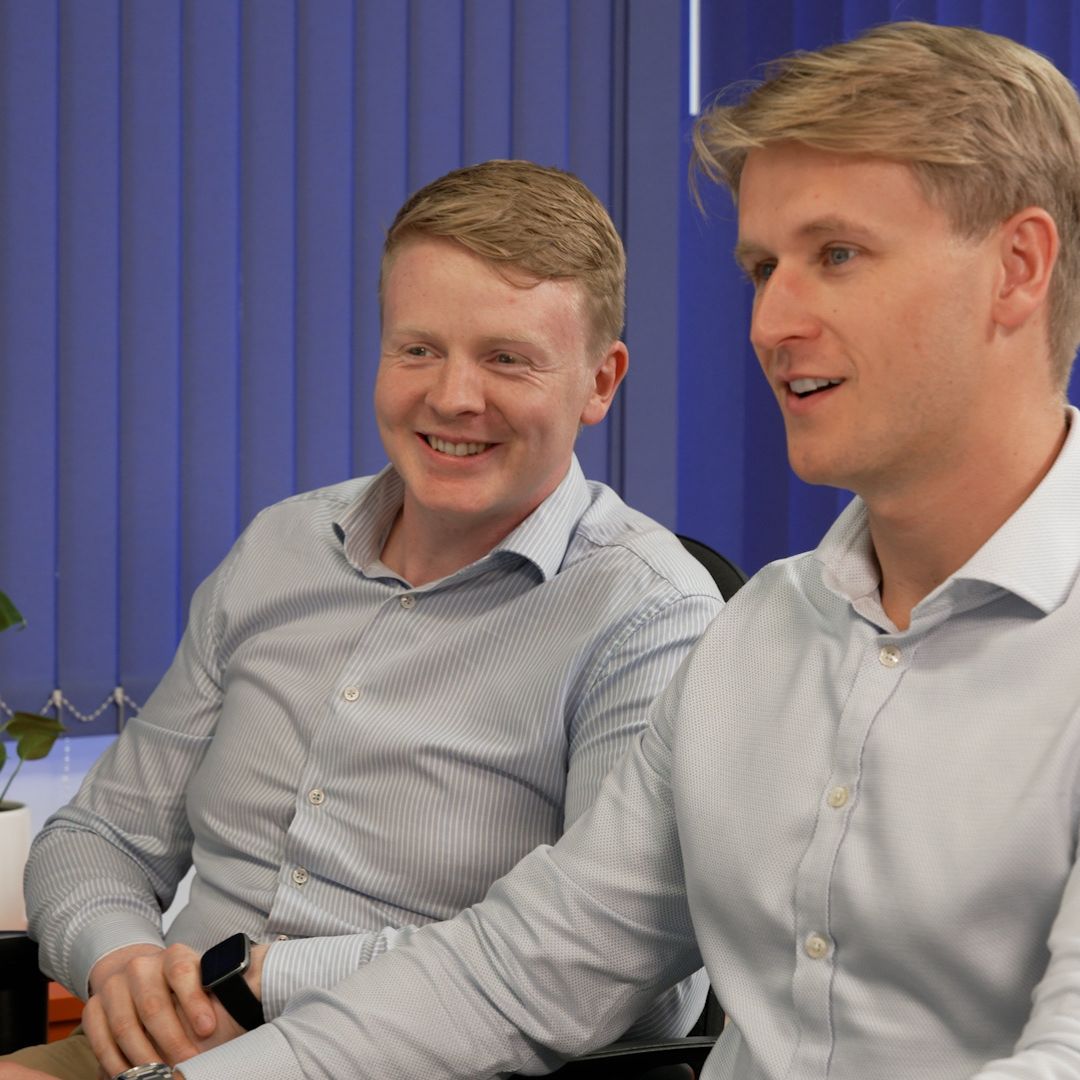
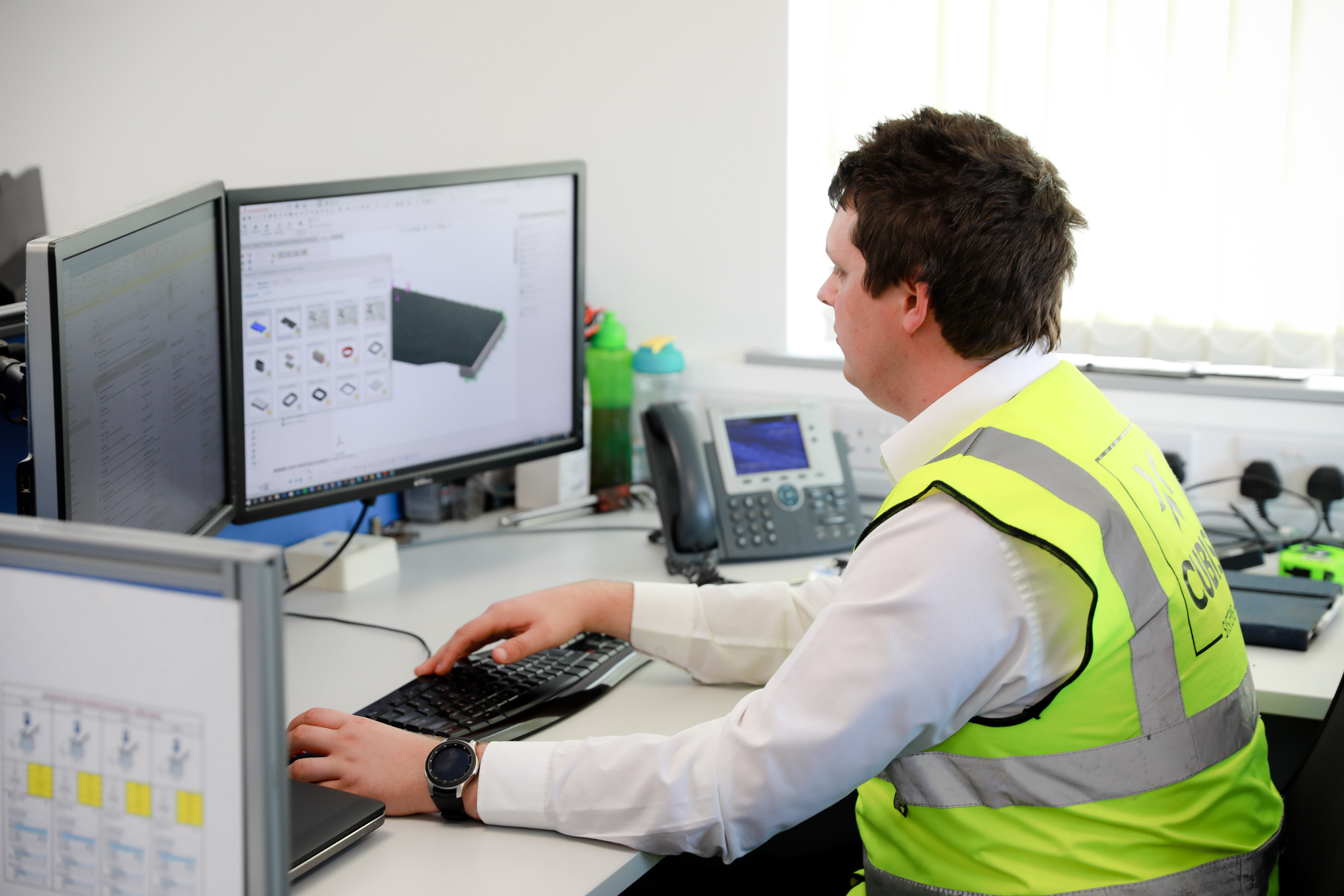
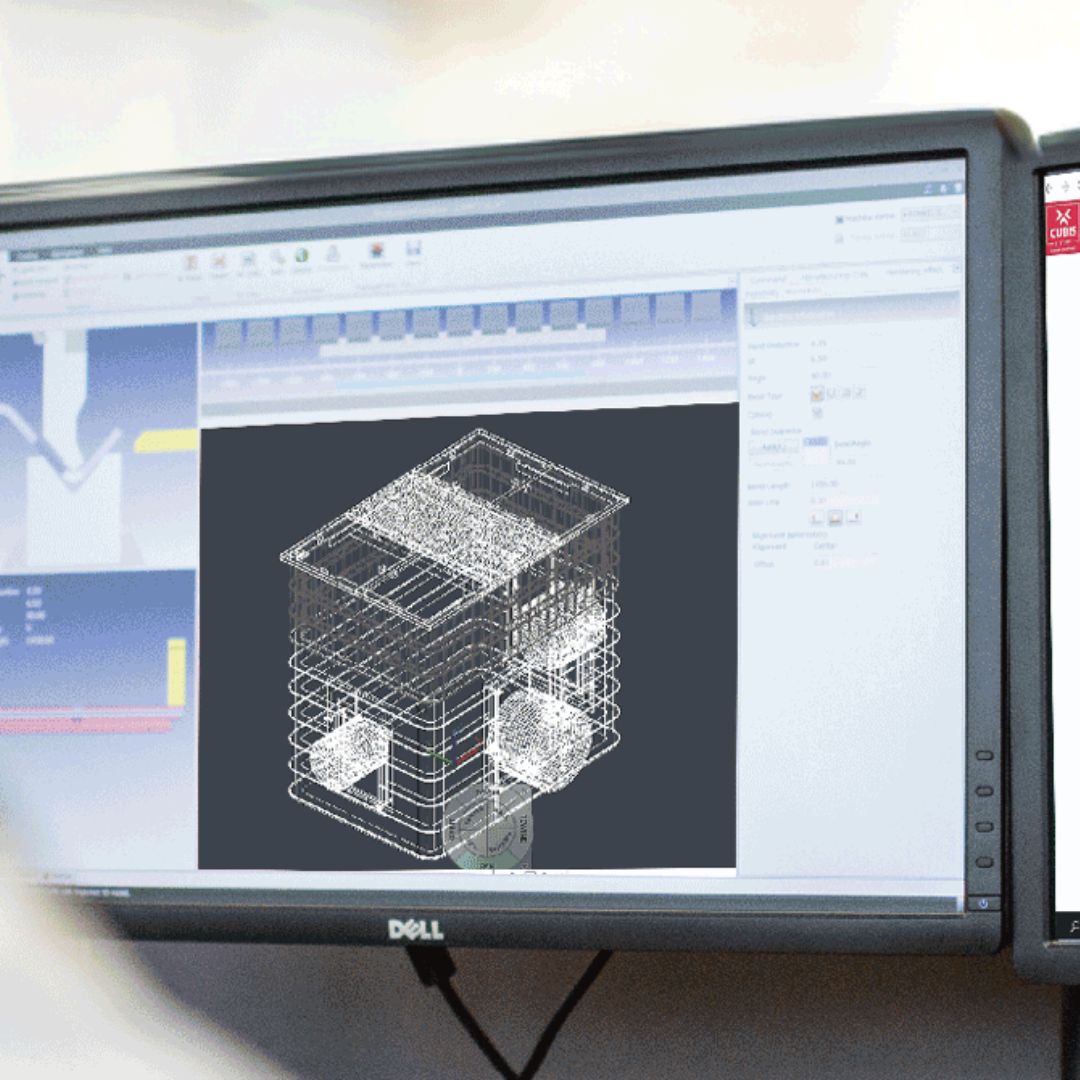
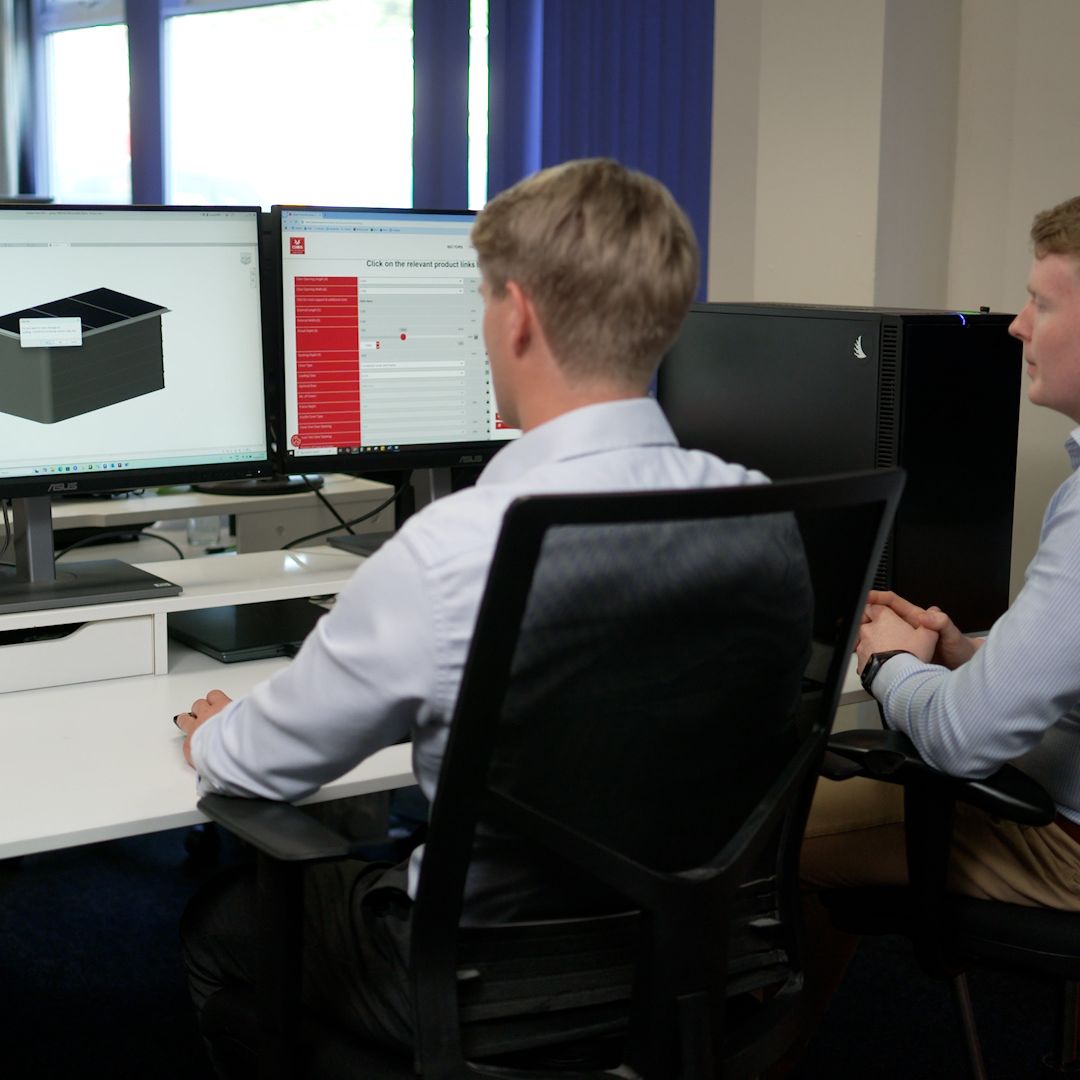
[📷 Pictured: The Cubis Systems tech team at work]
Q: What role did composite materials play?
Composite materials allowed us to achieve high strength with significantly lower weight.
This approach enabled us to reduce individual cover weight to 24kg while maintaining D400 performance.
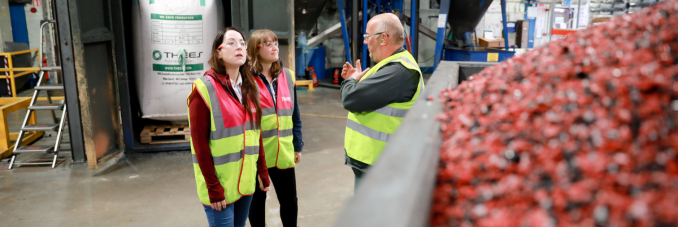
[📷 Pictured: A look inside our UK manufacturing facilities using composite materials]
Q: How did you validate strength and durability?
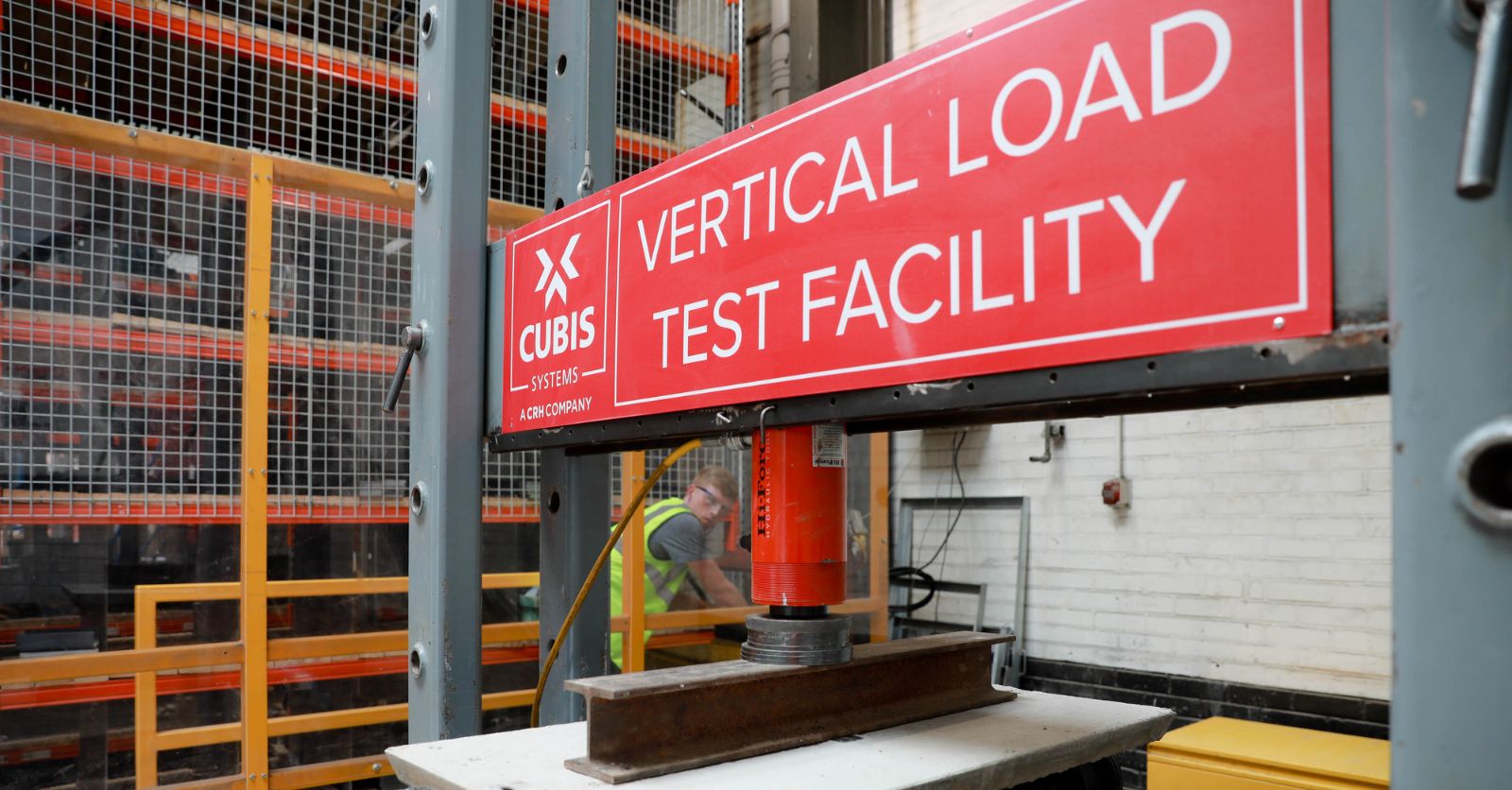
Testing was critical throughout development. The system was designed and validated in accordance with EN 124-5 for D400 loading, including both central and offset load positions.
Throughout the process, we had to test both the cover itself and the frame at varying sizes. It was critical to ensure that not only each component worked individually, but also worked fully together as a system.
We designed the solution to perform in the ground – not just pass a test – which is why offset loading was so essential.
[📷 Pictured: On-site testing facilities]
Q: What makes this fundamentally different from traditional approaches?
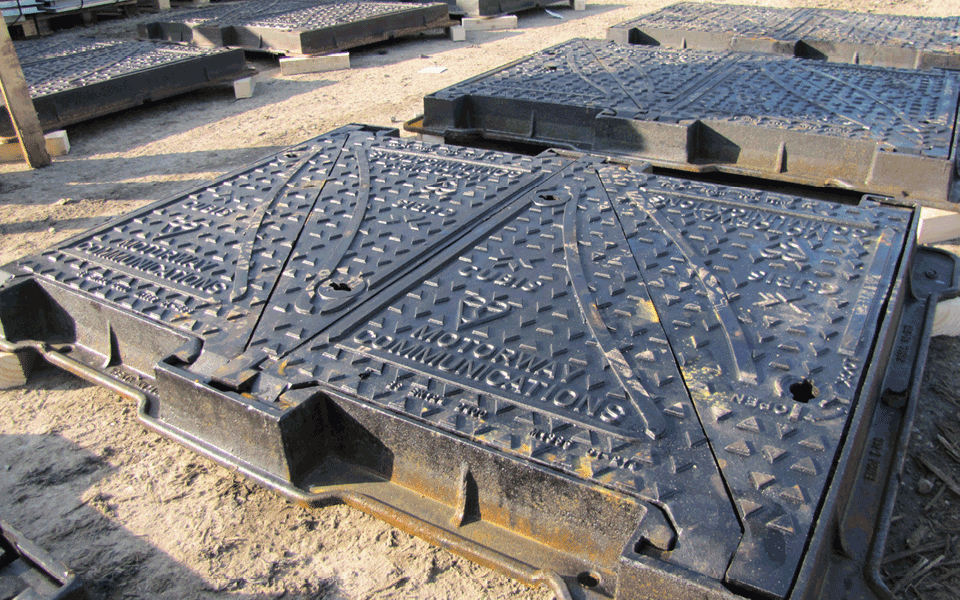
As James mentioned, traditional slabs rely on heavy, single-piece components with limited clear access. While ductile iron solutions offer improved access, they’re extremely heavy, difficult to install, and often involve heavy machinery to achieve this access.
Our system allows simple access via operatives. Instead of relying on bulk, it distributes load across a modular steel frame, floating beams, and composite covers.
That allows us to reduce individual component weight while maintaining overall system strength. It’s a new, different approach to heavy-duty access.
[📷 Pictured: Our traditional ductile cover options deployed on-site]
Meet Andy Hobbis, Head of Sales
Last, to round out our multi-perspective inside story, we spoke to our Head of Sales here at Cubis System. Here, we asked about the customer – and how the product makes a difference on their sites.
Q: What challenges are customers raising with traditional D400 covers?
It's worth noting that traditional heavy-duty covers (i.e., concrete slab and ductile iron) still have their place, and will always be something we offer to customers as part of our full system solution offering. However, we wouldn't be where we are today if we didn't continually innovate for our customers.
Weight and handling come up consistently when chatting about D400 covers. Customers often need lifting plant, additional labour, and more time to install traditional D400 covers. It’s often been considered as par for the course – which is what we set out to change.
Restricted access is also the other major feedback point. Traditional D400 cover solutions won’t provide full access – typically offering more restricted working areas and more limited access for maintenance works.
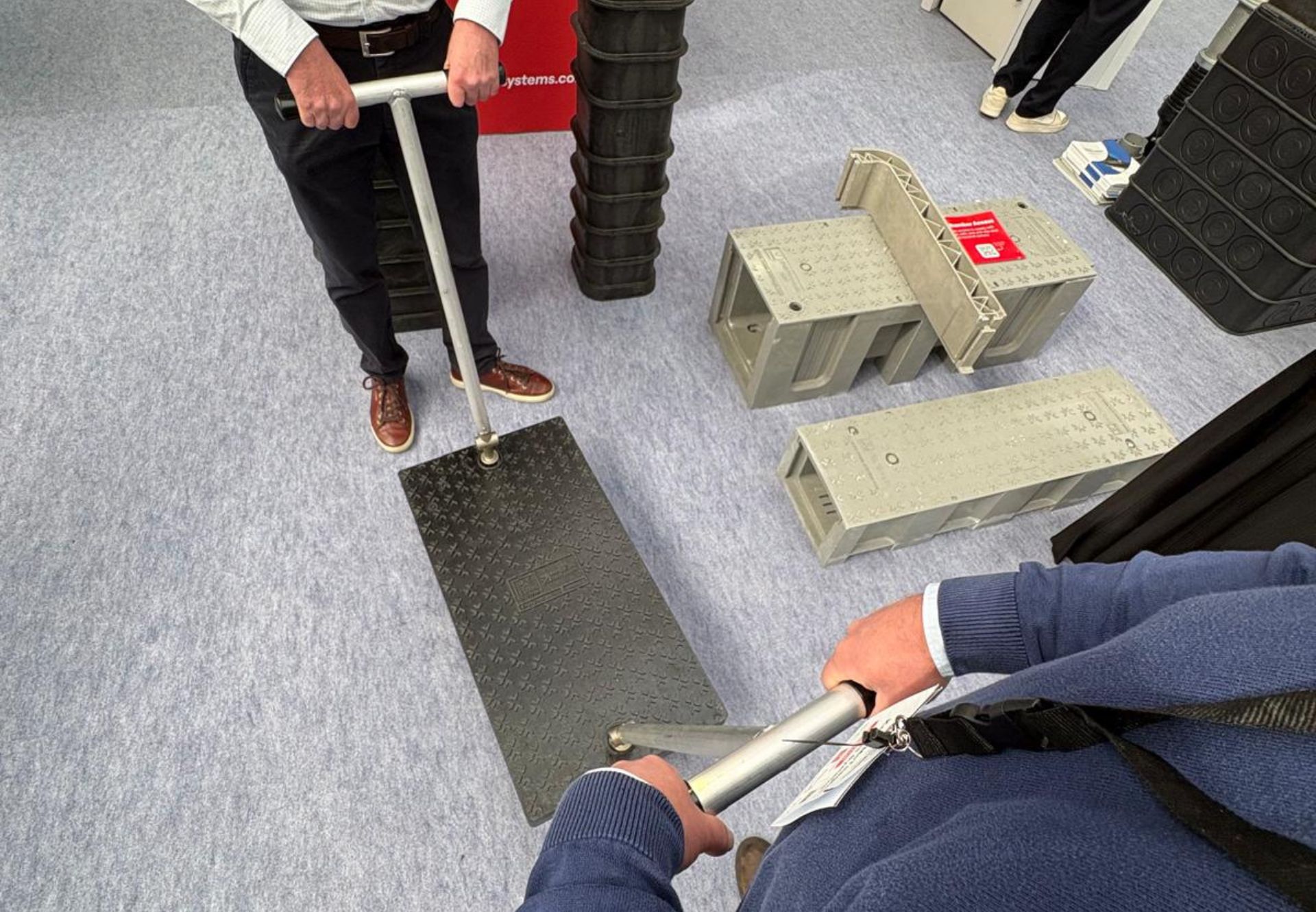
Customers want a cover which is easily lifted, with access gained by 2 operators.
[📷 Pictured: Cubis employees demonstrating the lifting/locking aid]
Explore the Cubis Systems cover range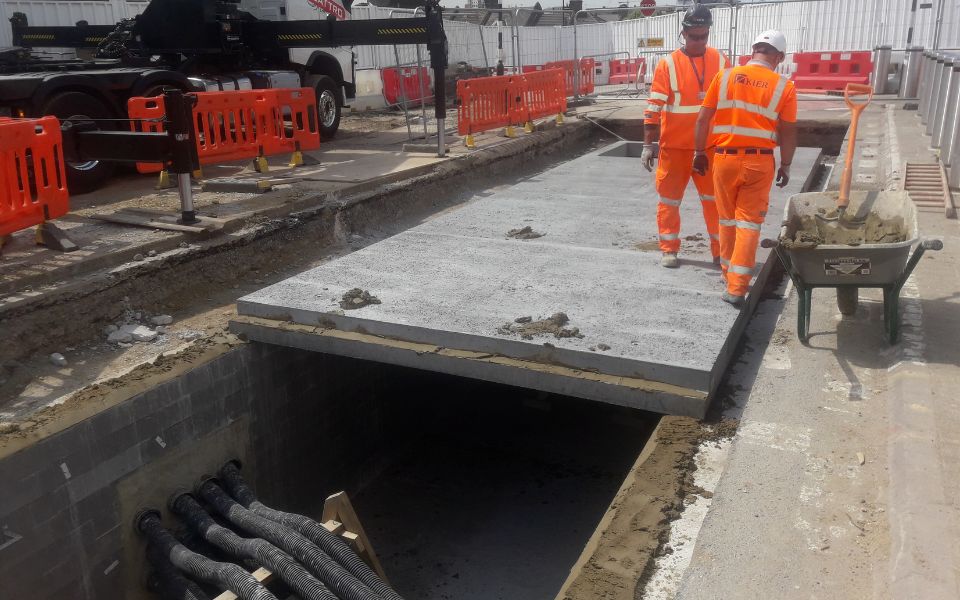
Q: Where are D400 cover installs slowing down or becoming costly?
Large chambers or complex layouts can introduce delays. This is especially true when heavy components like concrete cover slabs are involved. Coordinating lifting equipment, managing site safety, and dealing with limited working space can all slow progress and increase costs.
Due to previously mentioned supply chain and lead time issues, ductile iron can prove slower still. Often coming from foundries in Asia, customers can end up waiting 3-4 months for their product to arrive to site. This is exacerbated by geopolitical conflicts. For the customer, all of this means a stalled project timeline.
From a longer-term perspective, methods for maintaining a traditional D400 cover system will involve hiring plant. So, this means that costs can increase long after the system has been installed.
[📷 Pictured: A Cubis large chamber and concrete cover slab installation]
Q: What reactions have you had when showing this system?
Cubis has always delivered lightweight composite chambers that are well-received in the market. Customers are now delighted that we have a composite D400 cover system to match.
The weight is the first thing that has resonated with the customers we’ve chatted to. Once we’ve explained the modular approach that can still deliver D400 performance, the conversations have then tended to shift to installation efficiency and safety.
To that end, we’re working closely with our first D400 composite cover customers to ensure they have any level of guidance, technical detail, and design or on-site support required.
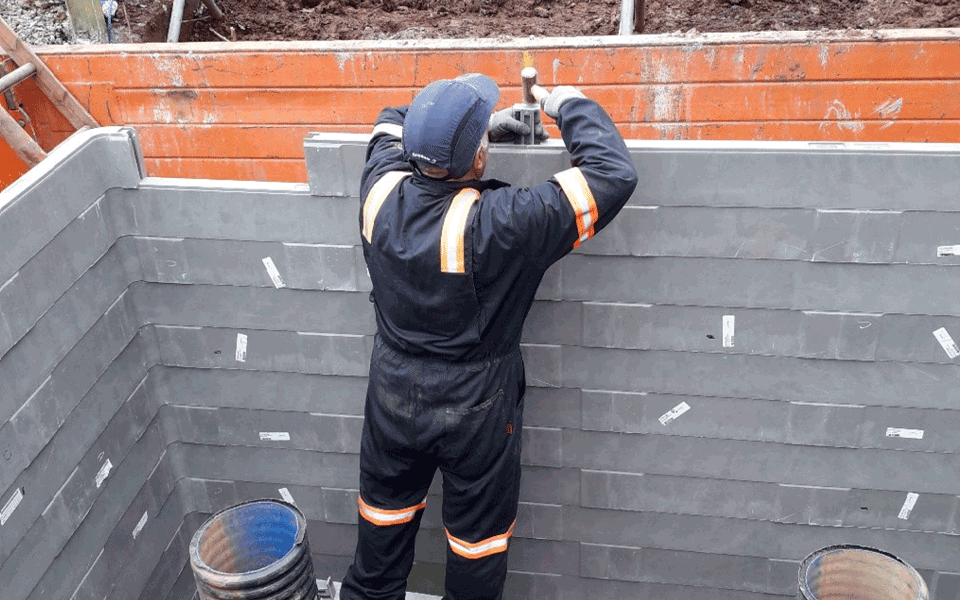
[📷 Pictured: Demo assembly of a D400 composite cover system]
Q: Which types of projects benefit most from the D400 composite cover?
Any project that has heavy traffic throughout it will benefit from this new solution. Take power stations, data centres, railway depots, distribution centres, etc.
More generally, any infrastructure project requiring large chamber installations could benefit from the system too.
Essentially, anywhere that D400 load bearing is required, our modular solution offers advantages across access, installation, safety, speed, and sustainability.
Explore our large network access chamber offering
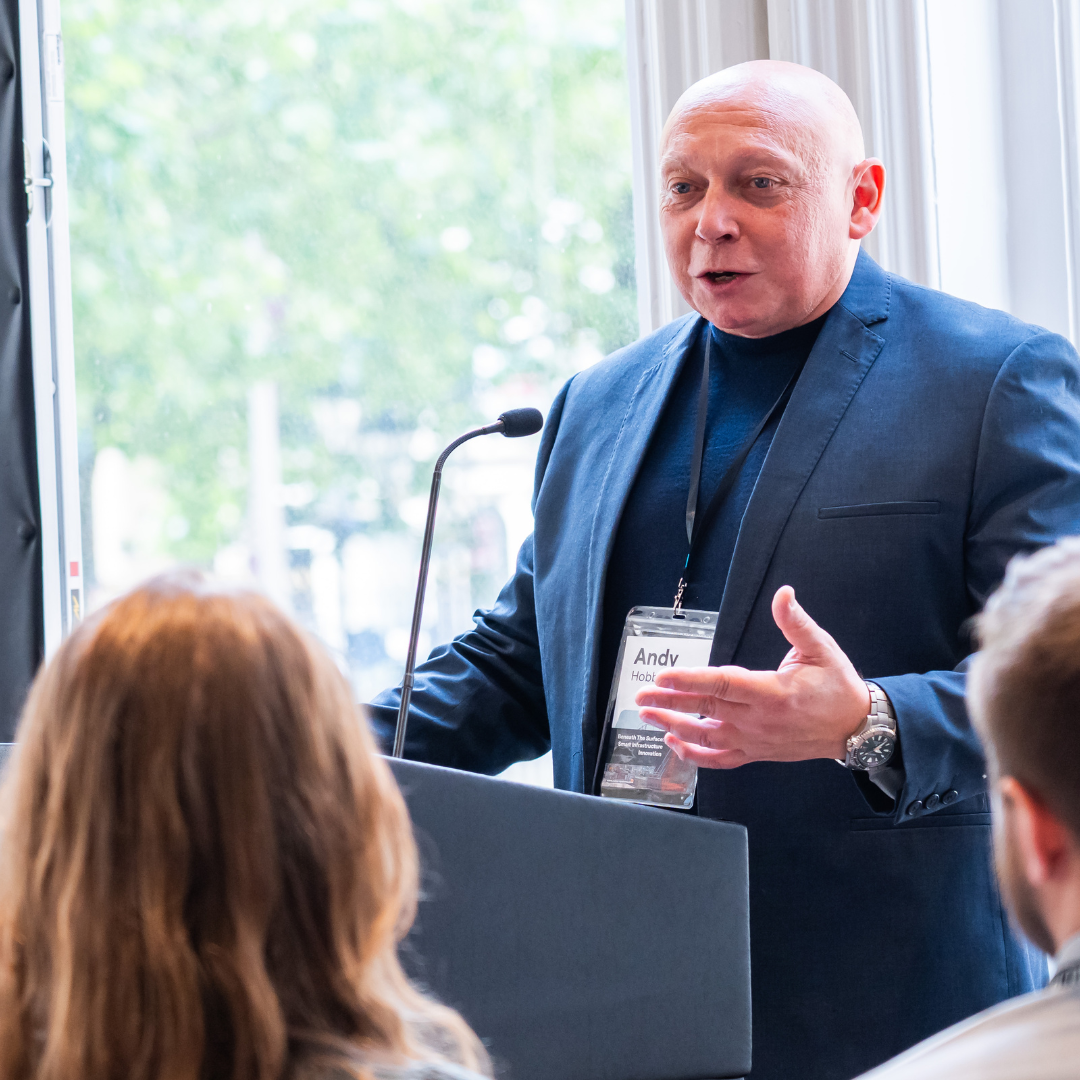
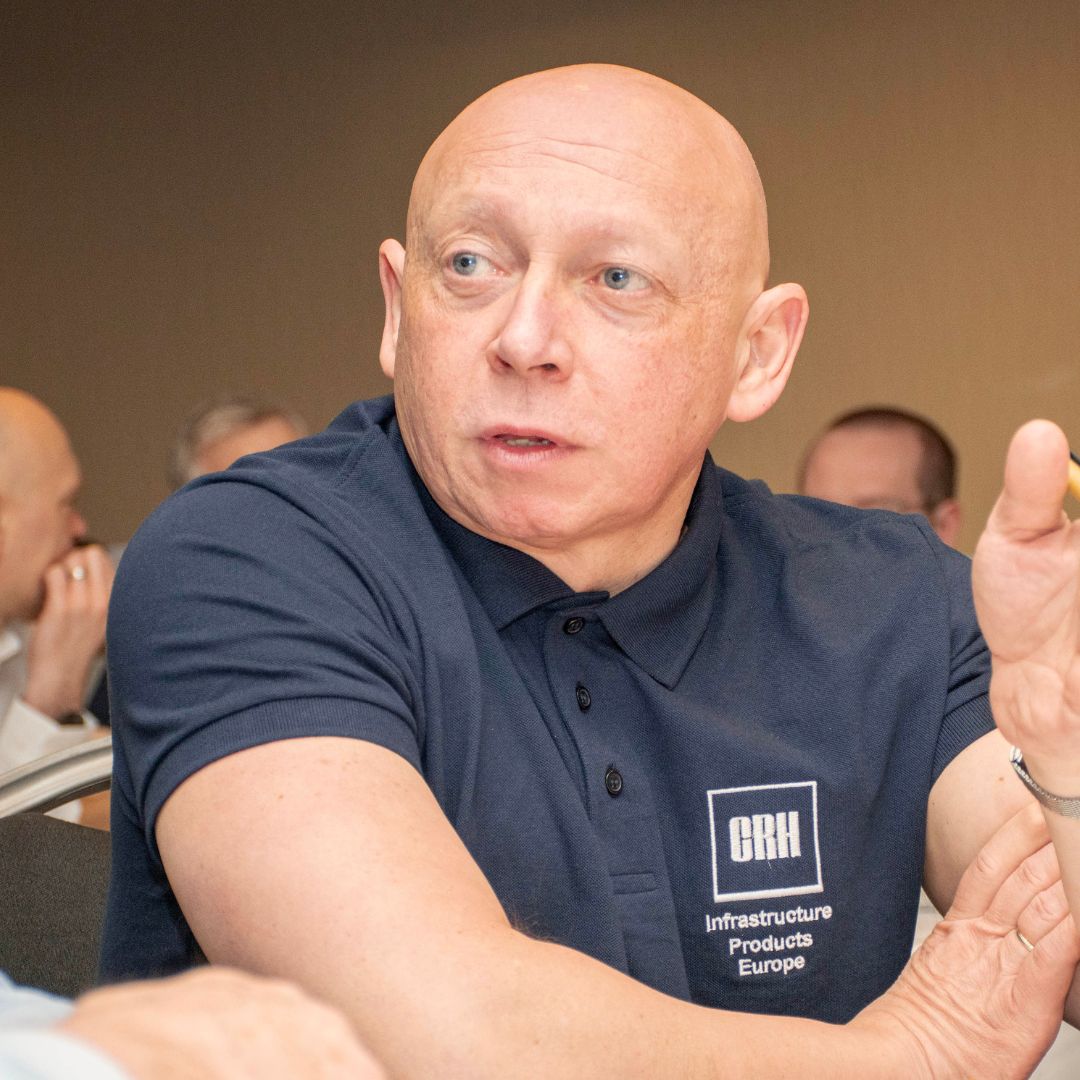
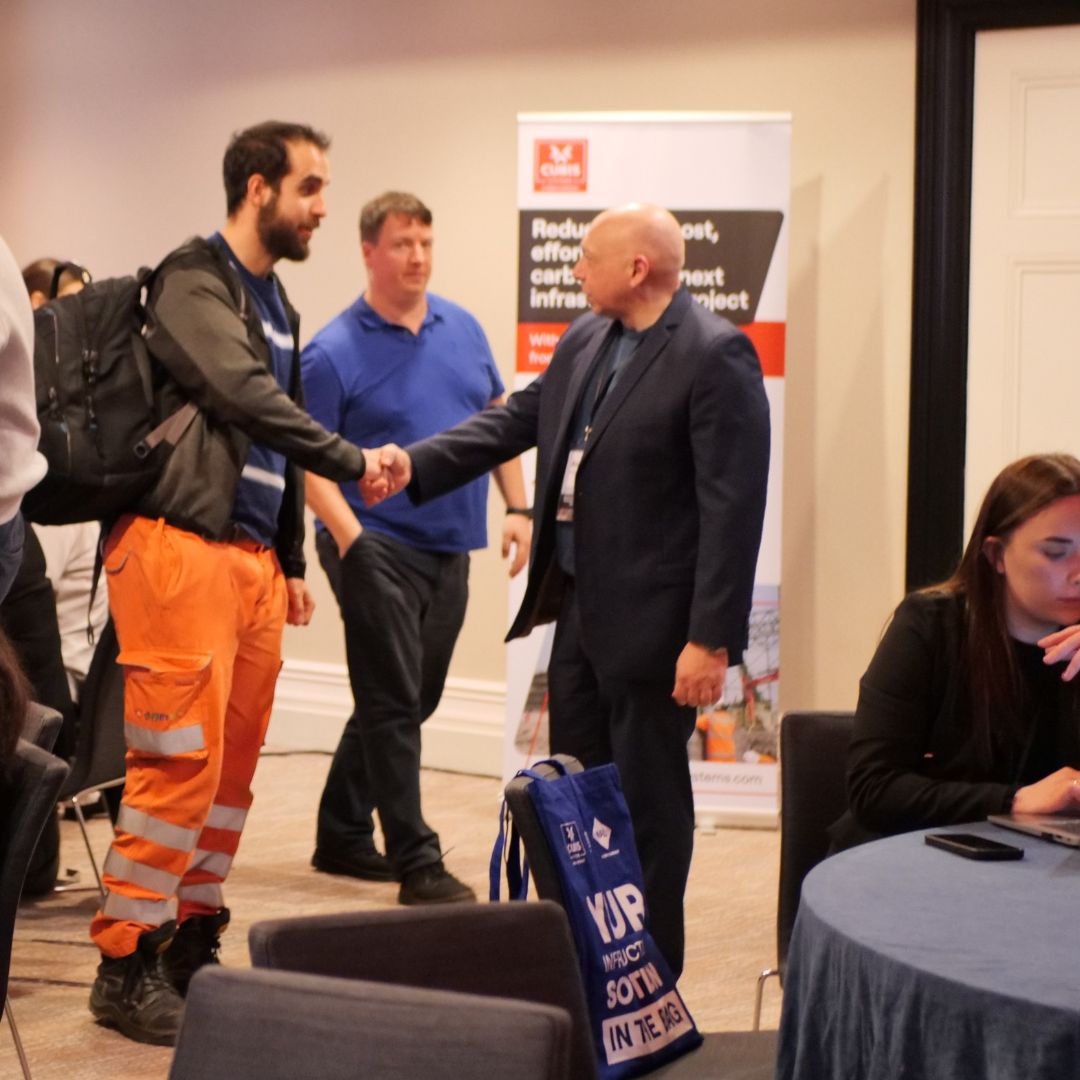
[📷 Pictured: Andy Hobbis]
Rethinking heavy-duty access
The development of the D400 composite cover range reflects a shift in how heavy-duty access can be approached. We didn’t accept that weight, limited clear openings, and installation complexity are unavoidable factors. Instead, our system has been designed to improve safety, flexibility, and efficiency on-site.
The result is a carefully designed, practical system built around real-world installation challenges.
Get in touch to discuss how our D400 composite covers could support your next project.