Plymouth rail cabinet base pilot
A modular construction showcase


Project overview
Our client is a global conglomerate with multiple industrial subsidiaries, including a division that specialises in rail transport.
This global giant selected Cubis Systems for a unique application. We were asked to supply a rail cabinet base for a pilot installation in Plymouth - designed to showcase modular construction methods to the rail industry.
The project serves as a live demonstration site, allowing engineers, specifiers, and contractors to view an operational example of modern infrastructure installation techniques.
Rather than a standard deployment, this installation functions as a proof-of-concept for wider adoption across our client's rail infrastructure projects. The cabinet base has been positioned as a reference installation, with the intention of establishing modular composite systems as a new standard for rail cabinet base installations across the network.
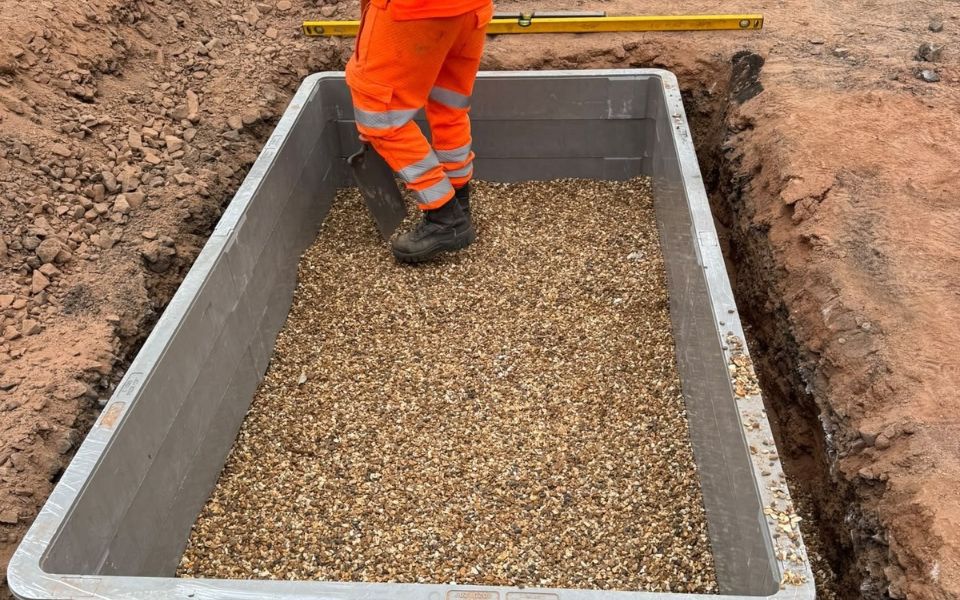
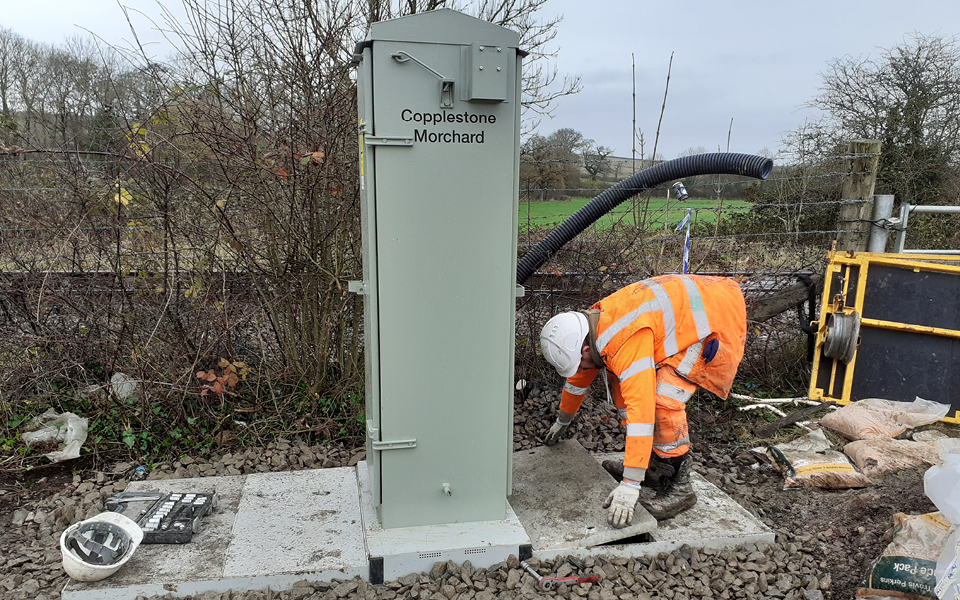
📸 Pictured: Installing the Cubis Systems rail cabinet base in the Plymouth site
The challenge
Traditional rail cabinet bases typically rely on cast-in-situ concrete or brick-built structures. These conventional methods present several challenges:
❌Installation constraints:
⛏️ Extended curing times for concrete foundations
🌧️ Weather-dependent construction schedules
🪨 Significant manual handling requirements
❗Limited flexibility for future modifications
❌ Operational limitations:
🕒 Longer programme times affecting network deployment
👣 Higher carbon footprint from cement-intensive construction
⚒️ Difficulty demonstrating installation methods to stakeholders
🦺 Inconsistent quality between different site installations
Our client wanted a pilot installation that would:
a) demonstrate a viable alternative to traditional methods, whilst
b) providing a tangible example for engineers and contractors to evaluate
The showcase nature of the project meant the installation had to perform to the same standards as conventional construction, but offer clear advantages in installation speed, sustainability, and repeatability. Ultimately, the solution had to represent best practice. Any issues with quality, durability, or installation complexity would undermine confidence in modular construction methods across future rail projects.
The solution
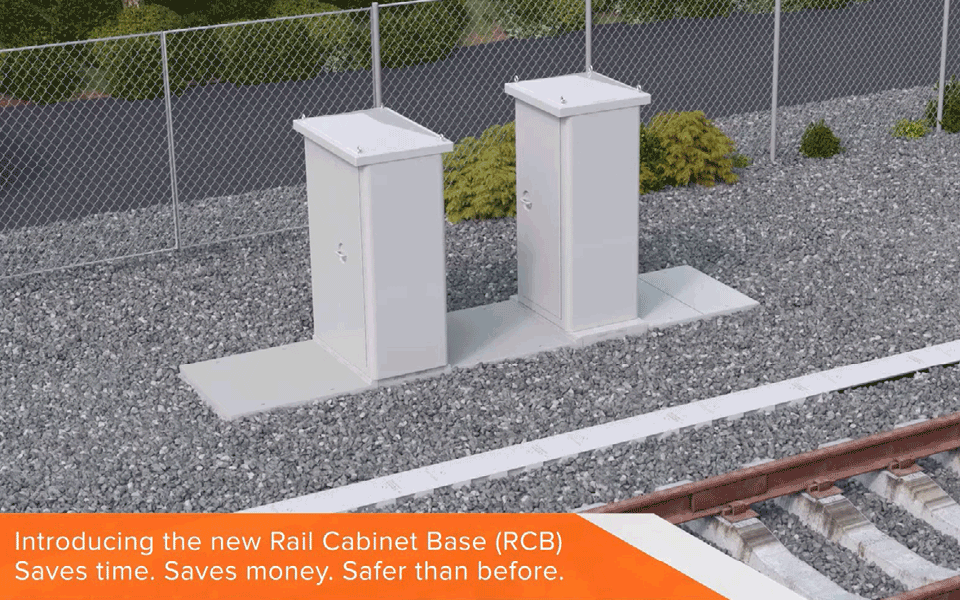
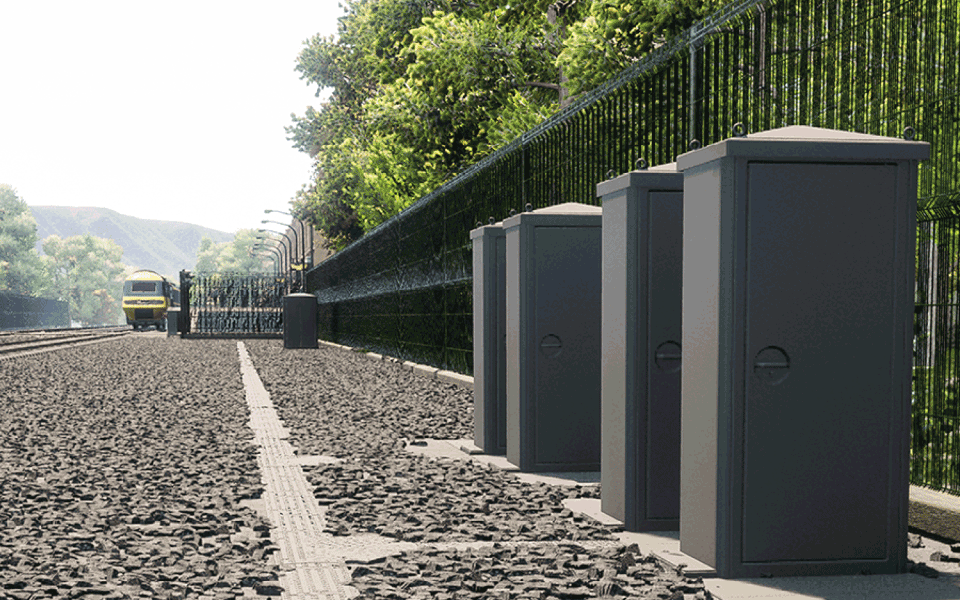
Cubis Systems supplied a composite rail cabinet base system designed for rapid, modular installation. The system replaced traditional concrete construction with a prefabricated composite solution that could be installed in a fraction of the time. System characteristics include:
-
Reduced installation programme versus cast concrete
-
Made up of modular, lightweight components that can all be safely manually handled
-
Provides a safe standing zone, with a large working space underneath
-
Plug and play assembly that can be built within 4.5 hours
-
Flexible enough to accommodate multiple assets
-
Scalable – adaptable to different cabinets and able to be made in any size
-
Protects against rat ingress, with no spaces to get into
-
Easy to transport – can take all components to site in the back of a standard van
-
Can be installed in areas where the water base is high
-
Removes the need for multiple troughs
-
A future-proofed solution that provides a more flexible alternative to concrete
Our modular rail cabinet base components:
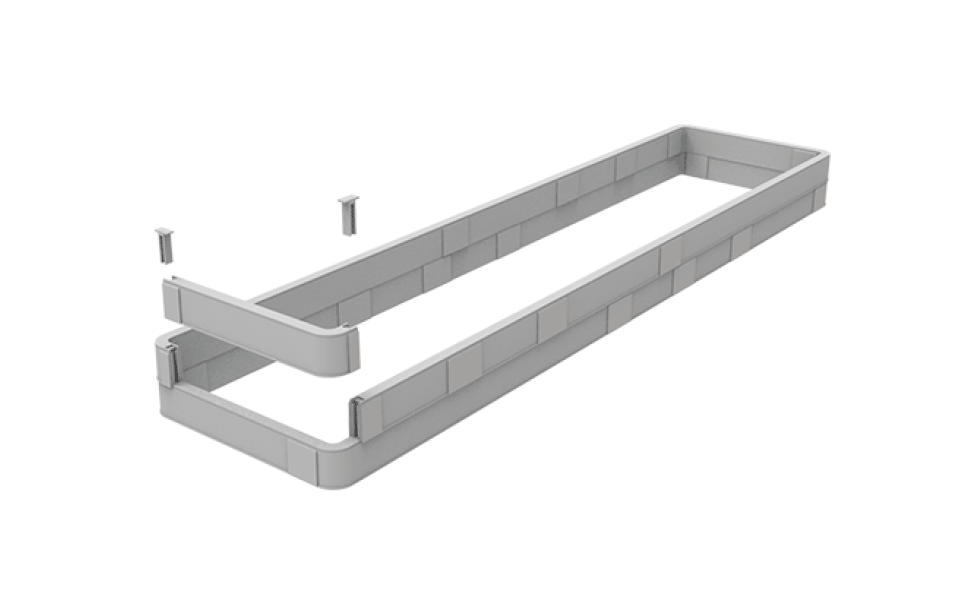
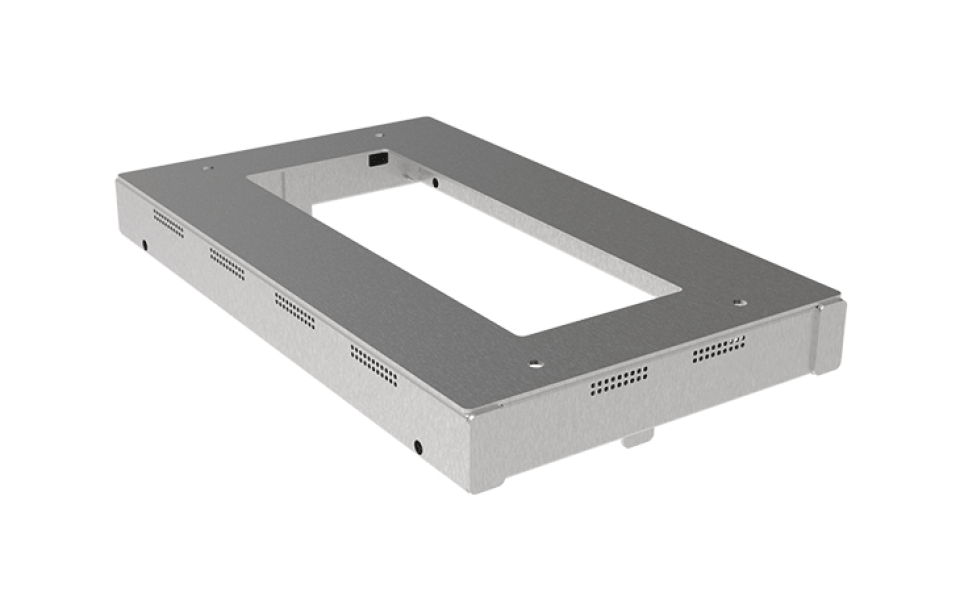
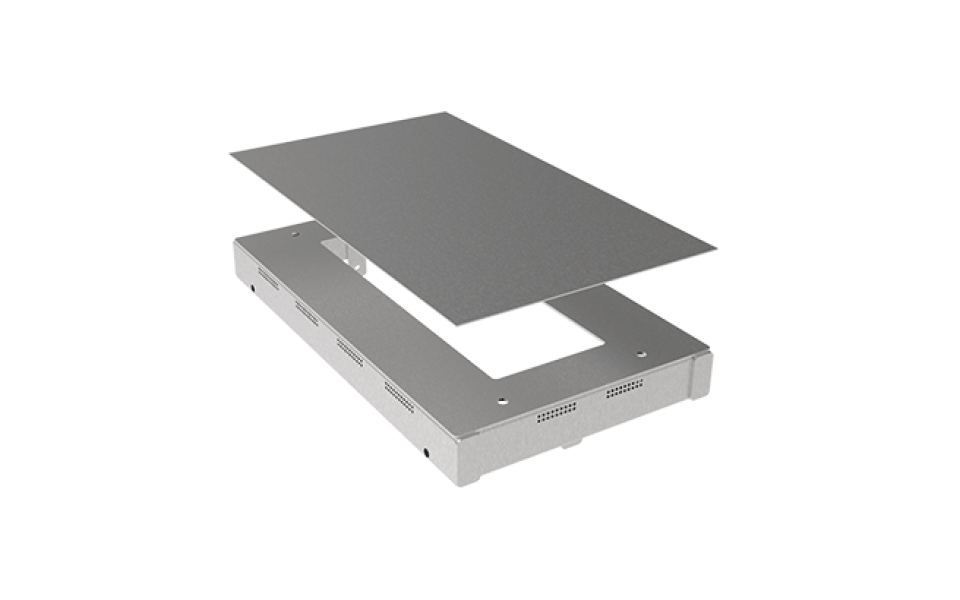
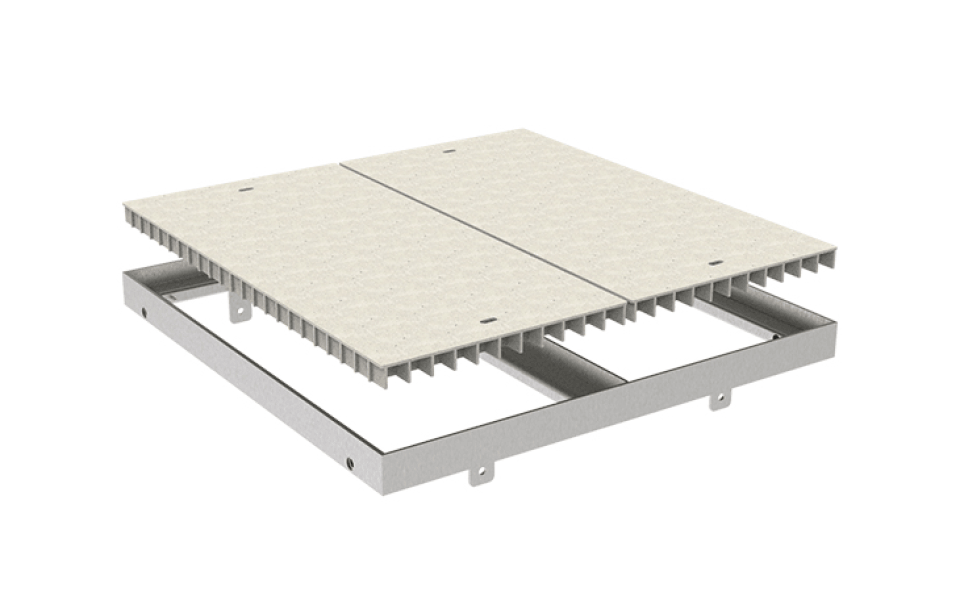
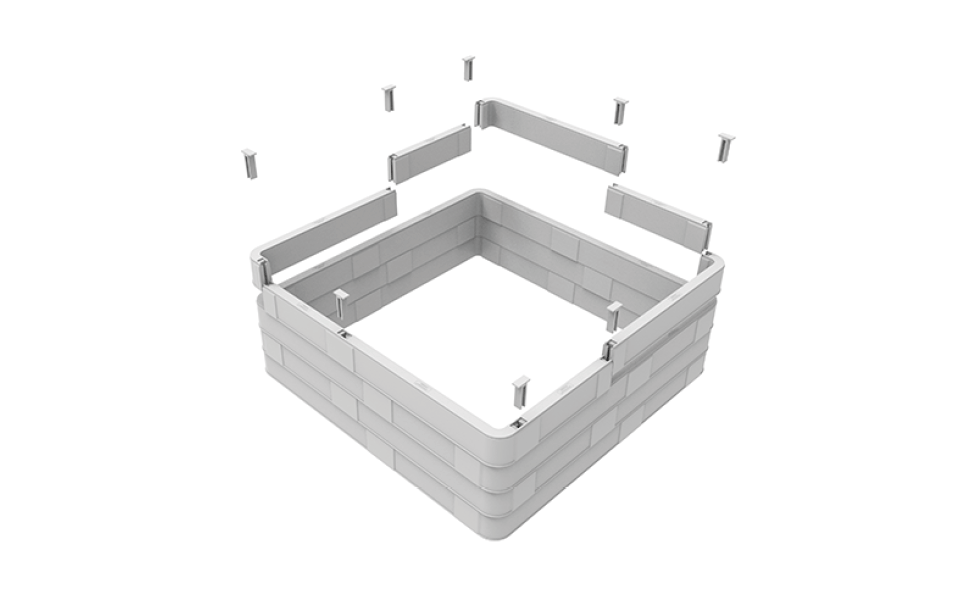
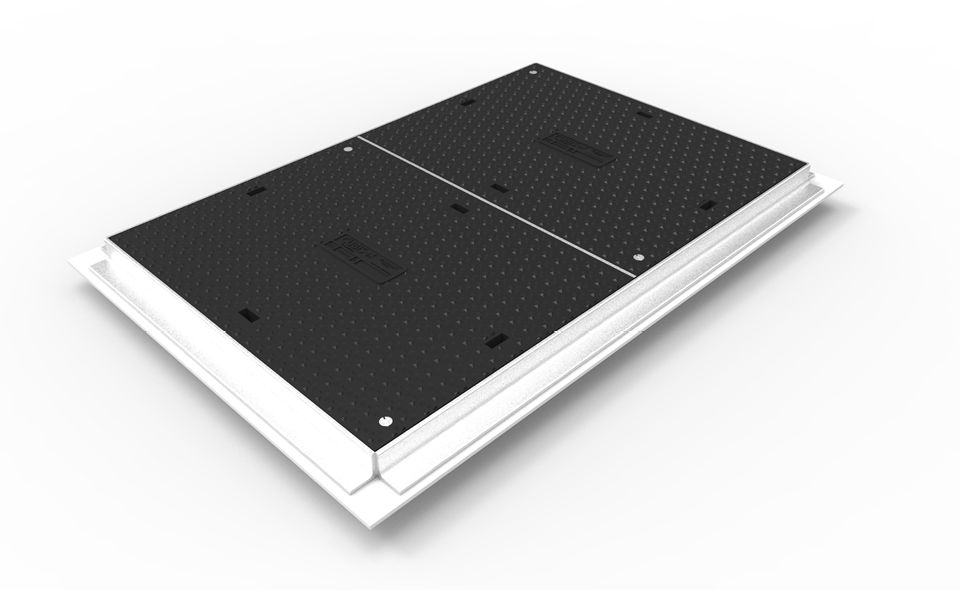
The Cubis rail cabinet base provides a secure foundation for electrical trackside assets. The system simplifies civils, cabling installation, and maintenance works – while providing a safe, inbuilt area to work from. The solution is modular in construction and comprises six basic components. For your convenience, all these components can be delivered flat-packed, in parts, or fully assembled. This offers a format to build single or multiple cabinet sites and sizes. The system’s foundation is constructed from our STAKKAbox™ ULTIMA Connect chamber. Our composite chambers bring multiple key advantages, including easy access and a lightweight system that is adapted on site during installation.
The outcome
The Plymouth installation is now operational as a pilot system, providing the client with a reference site for promoting modular construction methods across their rail infrastructure portfolio. Project outcomes include:
-
Successful pilot installation completed to specification
-
Live demonstration site available for industry evaluation
-
Reduced installation time versus traditional concrete construction
-
Lower carbon footprint through composite materials
-
Improved manual handling versus brick or concrete alternatives
-
Repeatable installation methodology for future deployments
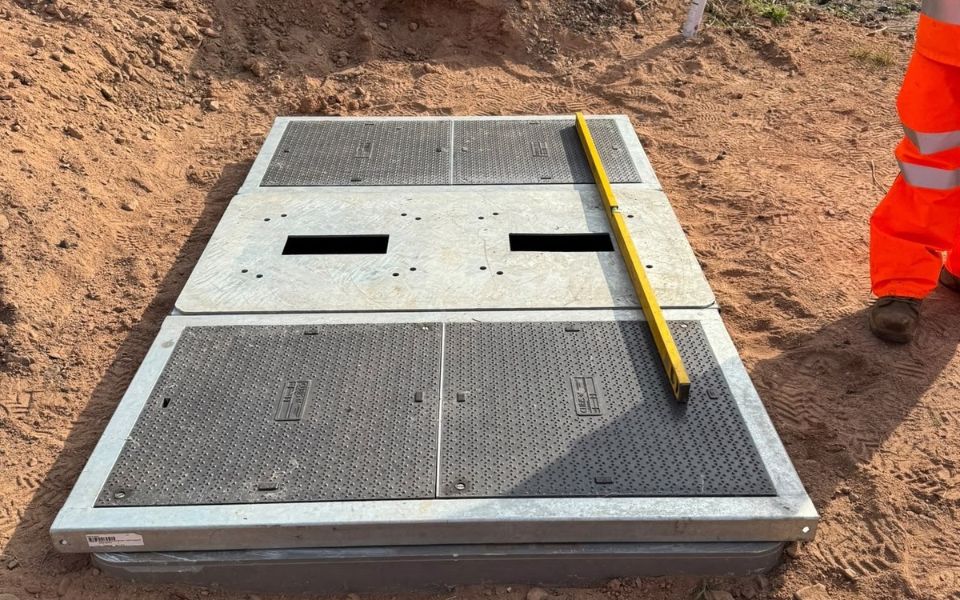
The showcase installation allows our client to demonstrate the practical benefits of modular construction to internal teams, contractors, and rail industry stakeholders.
Rather than relying on technical specifications alone, engineers can visit the site, inspect the installation quality, and understand the construction process.
By positioning the Plymouth installation as a pilot system, our client is working to establish modular composite cabinet bases as a standard approach for rail infrastructure projects. The success of this installation provides evidence for wider adoption across the rail network, supporting the shift toward modern methods of construction in rail infrastructure delivery.
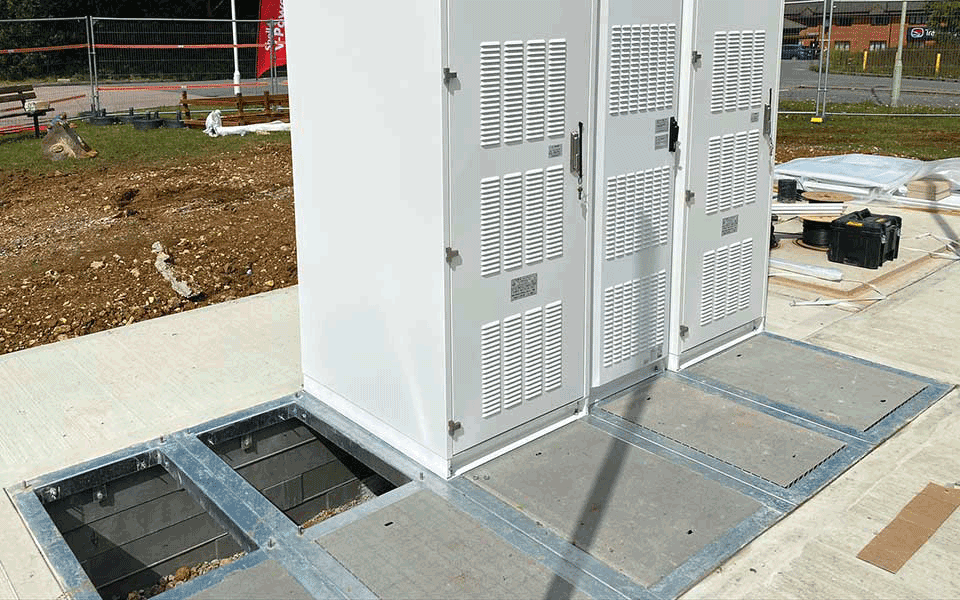
📸 Pictured: The installed rail cabinet base system
Planning a rail cabinet base project? Get in touch to discuss how we can support you.
FAQ
-
Is this system approved for rail infrastructure applications?
Yes. The rail cabinet base system meets the structural and durability requirements for rail infrastructure installations. The Plymouth pilot demonstrates compliance in an operational environment.
-
Can the system be adapted for different cabinet sizes or configurations?
The modular design allows for configuration flexibility. Specific requirements should be discussed during the design stage to ensure the system is appropriately specified for the intended cabinet and site conditions.
-
How does installation time compare to traditional concrete construction?
Installation is significantly faster than cast-in-situ concrete, which requires formwork, pouring, and curing time. The modular system can be assembled and made operational in a fraction of the programme time, though exact timescales depend on site-specific factors.
-
What are the manual handling benefits compared to traditional methods?
Composite components are lighter than equivalent concrete or brick elements, reducing manual handling risk during installation. This is particularly relevant for rail infrastructure projects where access constraints and safety requirements make heavy lifting more challenging.
-
Is the system suitable for other rail infrastructure applications beyond cabinet bases?
Cubis Systems manufactures a range of composite infrastructure systems for rail applications. The principles demonstrated in the Plymouth installation – modular construction, reduced programme time, lower carbon – apply across multiple rail infrastructure requirements
-
What sustainability benefits does the system offer?
Composite construction reduces embodied carbon compared to cement-intensive traditional methods. The lightweight design also reduces transportation emissions. Specific carbon data can be provided for project-level assessments